
Boys’ ankle boots, wellies and winter boots
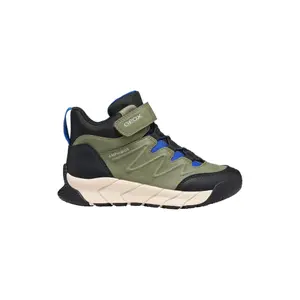
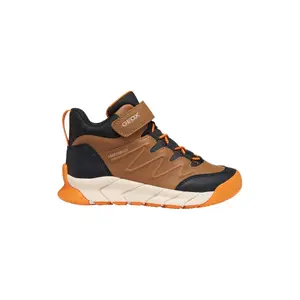
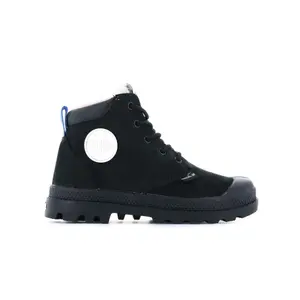
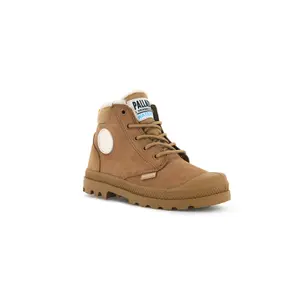
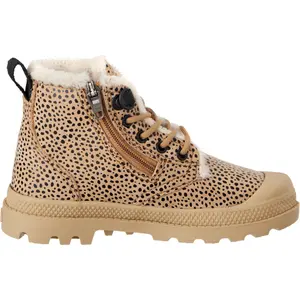
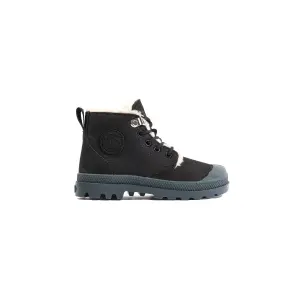
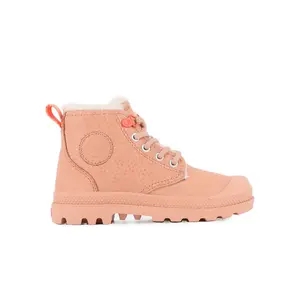
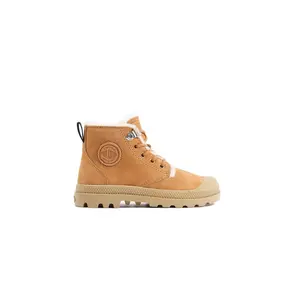
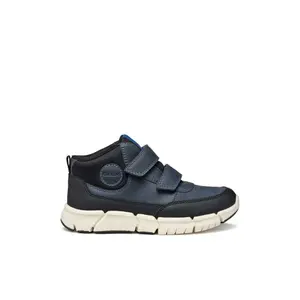
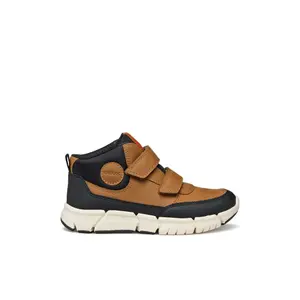
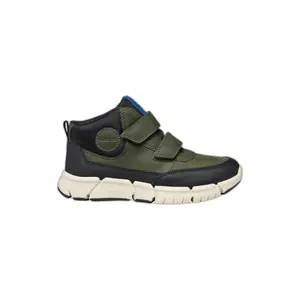
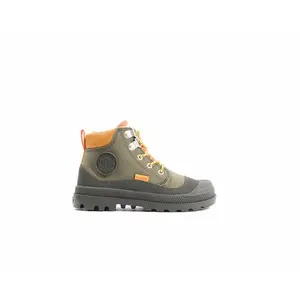
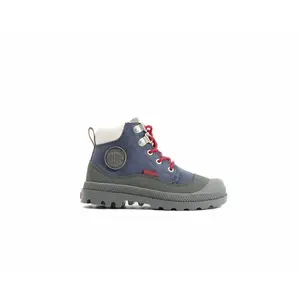
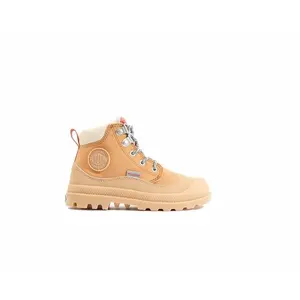
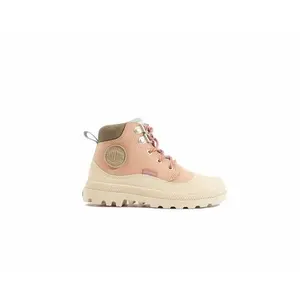
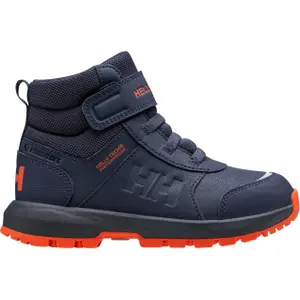
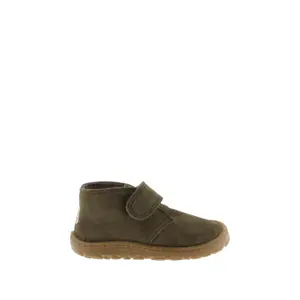
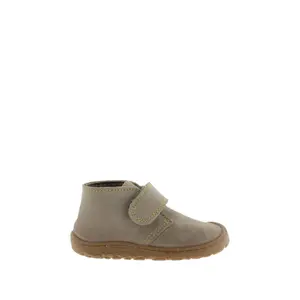
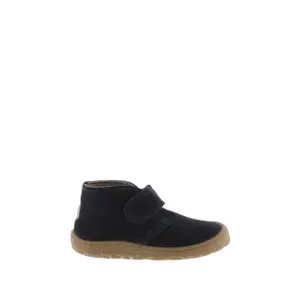
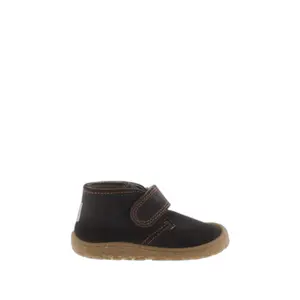
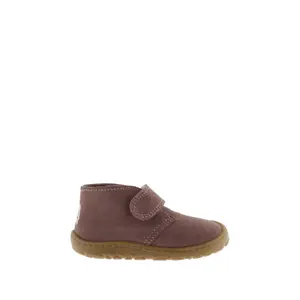
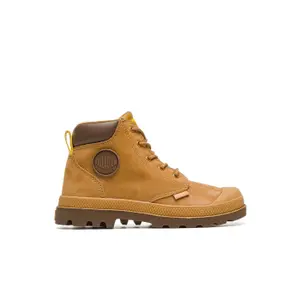
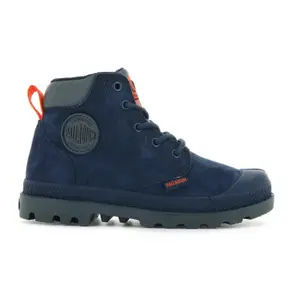
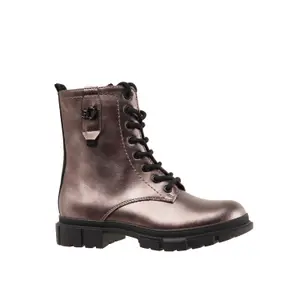
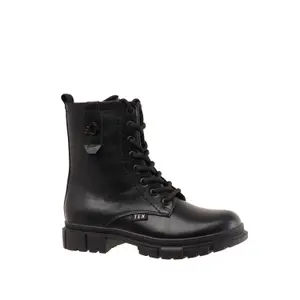
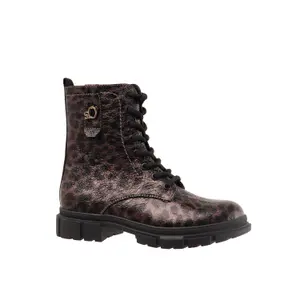
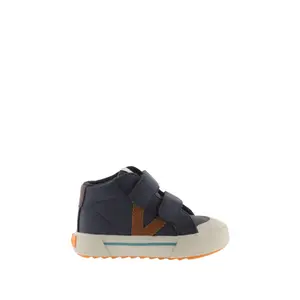
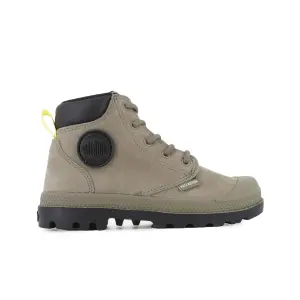
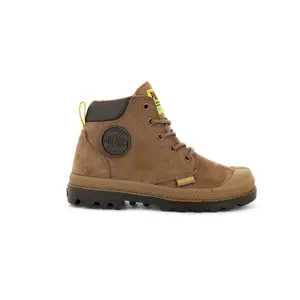
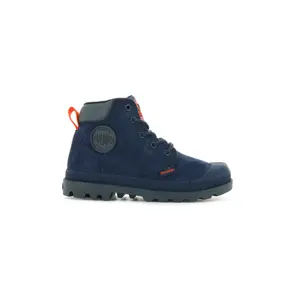
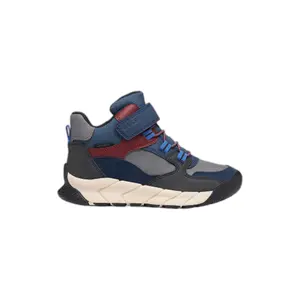
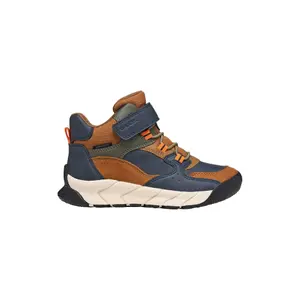
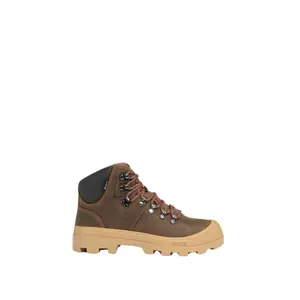
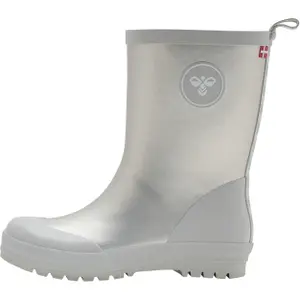
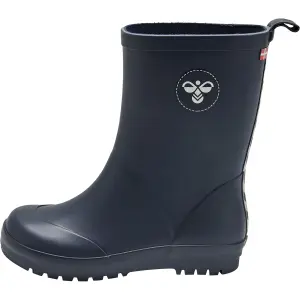
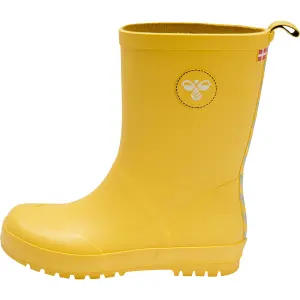
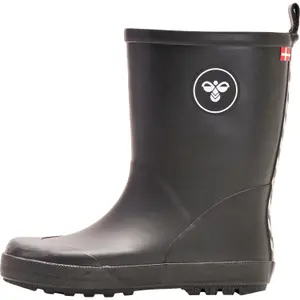
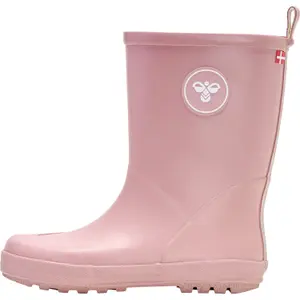
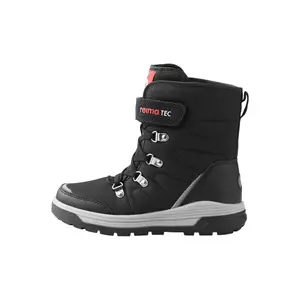
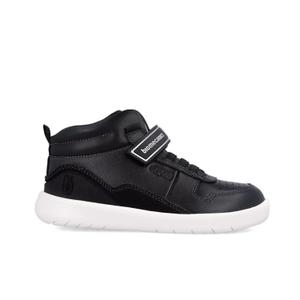
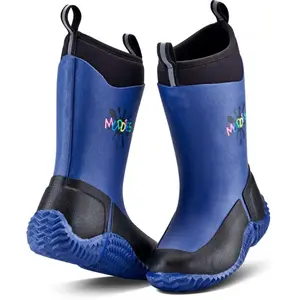
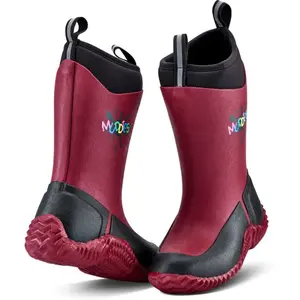
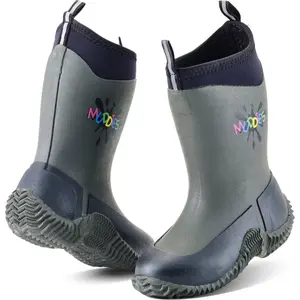
Black Friday arrives in late November, just as playgrounds are covered in puddles and frost. Boys’ boots meet three needs: everyday ankle boots, such as the Pampa by Palladium or Chelsea boots by Blundstone; rubber or neoprene wellies from Grubs and Mikk-Line; and insulated winter boots from Reima for the snow.
Dry in puddles, warm in the snow.
Rain boots, winter boots or ankle boots: what are they for?
- Rain boots, made of rubber or moulded material, are completely waterproof up to the top of the boot shaft; they are for puddles and trips to the woods, but don’t breathe much and aren’t very warm without thick socks.
- Winter boots combine a waterproof membrane, an insulating lining and a lugged sole that provides grip on snow; they’re the footwear for school ski trips and harsh winters.
- Ankle boots, made of leather, canvas or suede, are worn every day at school; some have a water-repellent treatment, but they’re no substitute for rain boots in a deep puddle.
Trainers, sandals and other shoes for the other seasons
When the weather gets milder, boys’ trainers come back into play for school and sport. Sandals and flip-flops are for summer, while other shoes, such as mules, boat shoes and water shoes, complete the wardrobe for holidays.
Pampa, Chelsea, Brutus: ankle boots with a story
Palladium made aeroplane tyres before turning to footwear after the Second World War; its Pampa, a canvas ankle boot with a lugged rubber sole, was adopted by the French Foreign Legion and comes in children’s versions that are waterproof, have turn-down cuffs or fasten with a zip. Blundstone, founded in 1870 in Hobart, Tasmania, is one of the leading names in Chelsea boots: sturdy leather, two elasticated side panels and pull tabs that let a child put them on by themselves.
The Majorcan brand Camper, founded in 1975, makes chunky-soled ankle boots such as the Brutus and Norte. Aster, Rouchette, Geox and Shoo Pom offer more classic leather or velvet ankle boots that are easy to wear with jeans.
Neoprene, membranes, barefoot: staying dry and warm
Grubs’ neoprene boots, such as the Muddies Icicle, wrap the leg in insulating foam protected by a rubber shell: they stay flexible and warm even in cold mud. Reima winter boots use a waterproof and breathable membrane, indicated by the Reimatec label, and a lining that keeps feet warm without making them sweat.
Barefoot styles, such as Mikk-Line rain boots or the Ankka by Reima, have a thin, flexible sole and a wide toe box, giving the toes room to move as if barefoot. For winter boots worn with wool socks, allow half to one size of extra room, and check that the lining dries properly after a wet day.
Boys’ boots: from Black Friday to school ski trips
Black Friday comes just before the first snow, making it a good time to kit out a boy before the winter holidays or a school ski trip; they also make a useful Christmas present. The winter sales are a chance to buy the next size in the middle of the cold season, while rain boots are still a good buy during the spring French Days and summer sales. The start of the school year brings ankle boots back, and clearance and special offers are a good place to find the last sizes.
Frequently asked questions
How do you care for children’s leather ankle boots?
Brush off the mud once it’s dry, condition the leather with a suitable cream from time to time, and apply a waterproofing spray before winter. If the boots get wet, stuff them with newspaper and leave them to dry away from the radiator, which can crack the leather.
Do rain boots make feet sweat?
Yes, rubber doesn’t breathe, so feet end up damp after a few hours. Save them for rainy outings rather than wearing them for a whole day in class, and pair them with wool or thick cotton socks that absorb moisture.
What height of boot should you choose for snow?
A boot that reaches mid-calf stops snow getting in at the top, especially if the ski trousers fold over it with their inner gaiters. A low ankle boot is enough for a snowy pavement, but not for playing in deep snow.
Is a Chelsea boot suitable for a young child?
Yes, once they can pull on the tabs: the elasticated sides let them put the boots on by themselves. It offers less ankle support than a lace-up ankle boot, though, so it needs to fit well around the instep to stop it slipping.
Why are my son’s feet cold in his boots?
Most often, the boots are too tight and restrict circulation, or the cotton socks have become damp. Leave a little room for air, which acts as insulation, and choose wool or technical socks that keep feet warm even when damp.