
Shoes for children and babies, girls and boys
A child’s foot grows quickly and works hard: they run, jump, climb and sometimes go from sandals to wellies in the same week. This selection of children’s shoes includes trainers, ankle boots, boots, sandals, ballet flats and slippers, from babies taking their first steps to teenagers, with brands known for their comfort such as Victoria, Pom d'Api, Méduse and Les Pas Petits.
The right shoes start with the right size.
Measuring your child’s feet and finding the right shoe size
French shoe sizing is based on the Paris point, which is two-thirds of a centimetre: to estimate the size, add some extra room for comfort to the foot length, then multiply the total in centimetres by 1.5. Measure your child standing up, preferably at the end of the day when their feet have swollen slightly, with their heel against a wall; trace around their foot on a sheet of paper and use the longer foot as your guide.
A well-fitting shoe leaves around one centimetre of space in front of the big toe, and a little more for a winter boot worn with thick socks. Before the age of three, a child’s feet can grow by a whole shoe size in just a few months: check their size roughly every three months, then every four to six months during primary school, as children rarely complain when their shoes have become too small.
All types of children’s shoes
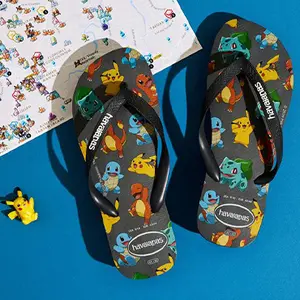
Each type of shoe has its own page. Baby shoes bring together soft styles for those first steps, while trainers are everyday shoes, with hook-and-loop fastenings or laces. For autumn and winter, ankle boots and boots protect against the cold and rain; in warmer weather, flip-flops and sandals let feet breathe. Ballet flats dress up party outfits, slippers are for indoors, and other shoes include clogs and less common styles.
From first steps to school trainers
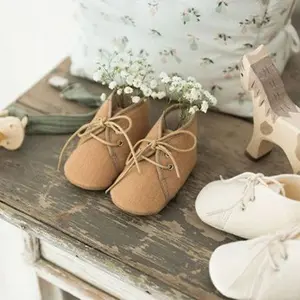
Until your baby is walking, soft slippers are enough to keep their feet warm: styles from Les Pas Petits, with thin, non-slip soles, and those from Spanish brand Cienta let little toes move freely. For those first steps outdoors, look for a flexible sole that bends at the front, a firm heel counter to hold the heel in place, and a fastening that supports the ankle without feeling tight.
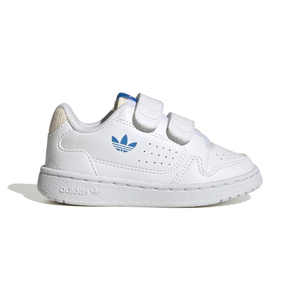
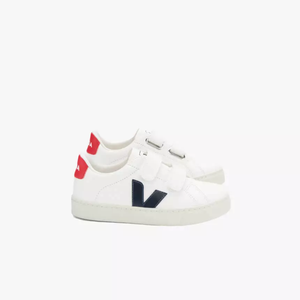
Once children start school, trainers become their everyday shoes. Styles with hook-and-loop fastenings from Shoo Pom, Puma or adidas help children get ready on their own long before they can tie their laces. Spanish brand Victoria, founded in 1915 in La Rioja and named after its founder’s wife, offers canvas and suede trainers for little feet in its Tribu range.
Wellies, sandals and ankle boots: shoes for every season
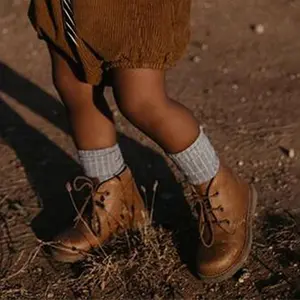
On rainy days, wellies are hard to beat for jumping in puddles: Méduse, best known for its iconic plastic sandal, first made in 1946, also makes wellies, as does Finnish brand Reima, founded in 1944 and specialising in Nordic outdoor clothing. In winter, a lined boot or waterproof ankle boot keeps feet dry; Australian brand Blundstone, founded in Hobart, Tasmania, in 1870, is known for its sturdy ankle boots.
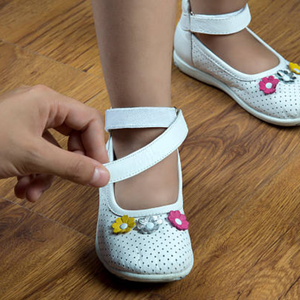
In warmer weather, sandals should have a back strap to keep them on while children run, like sandals from Geox or styles from Pom d'Api, a Vendée-based brand launched in 1973 by the Rautureau brothers. Lightweight and washable Crocs clogs are ideal for the beach and garden, but less suited to a long walk.
Children’s shoes on sale all year round
Feet grow in every season, so it helps to know when to shop. Black Friday comes just in time for winter boots, followed by slippers for the festive season. The winter sales are a good time to pick up ankle boots and lined boots, the spring French Days are a sign that sandals are on the way, and the summer sales are a chance to get trainers for the new school year. End-of-line styles can be found in shoe clearance, while the latest styles are in the new arrivals.
Barefoot shoes and wide feet: what to look for
Barefoot shoes aim to recreate the feeling of walking barefoot: they have thin, very flexible soles, no height difference between the heel and the front of the shoe, and a wide toe box that lets the toes spread out. Reima, for example, offers barefoot styles in its Ankka range of wellies. They suit children who already walk confidently; if your child’s feet need extra support, ask a podiatrist for advice before making them their everyday shoes.
For a wide foot or a high instep, look at the shoe’s shape rather than the size: Victoria’s Tribu range comes in a wide fit, known as Horma Ancha, and adjustable hook-and-loop fastenings open wider to make shoes easier to put on. If a foot spills over the sole, or there are red marks on the sides by the evening, the shoe is too narrow.
Frequently asked questions
At what age should a baby wear shoes?
There’s no need until your baby can walk. Indoors, going barefoot or wearing soft slippers helps them develop their balance and foot muscles. First shoes are mainly for outdoors, when your child is walking independently on uneven ground.
Hook-and-loop fastenings or laces: when should children switch to laces?
Most children learn to tie their laces between the ages of five and seven. Before then, hook-and-loop fastenings help them manage on their own at school. After that, tightly tied laces hold the foot more securely for sports, as long as you check they stay tied.
Can you give a child second-hand shoes?
Yes, for wellies or slippers that have hardly been worn. For everyday shoes, it’s better to buy new: the sole and heel counter mould to the first child’s foot, which can affect how the next child’s foot sits.
How should you store children’s shoes in the hallway?
A low shoe rack with open cubbies, at your child’s height, encourages them to put their shoes away on their own when they get home. Keep their current pair and wellies within easy reach, and store shoes for other seasons in a box labelled with the shoe size.
How do you dry wet shoes?
Take out the insoles, stuff the shoes with newspaper and replace it every few hours, then leave them to dry at room temperature. Radiators and hairdryers can make leather stiff and cause the soles to come away.













