
Christmas accessories for babies


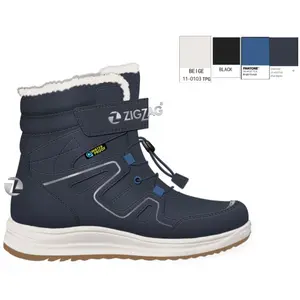
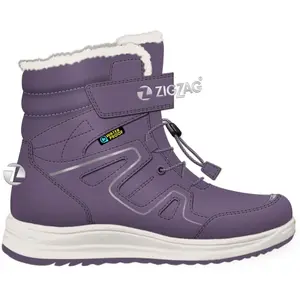


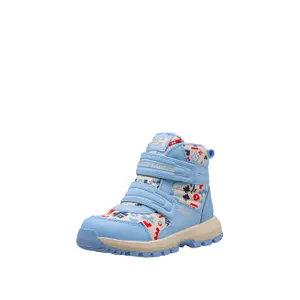

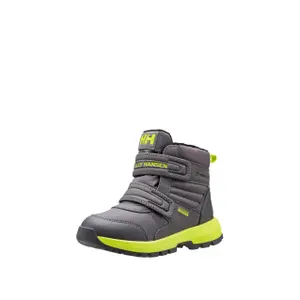


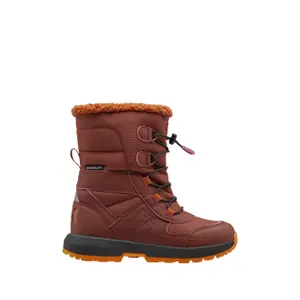


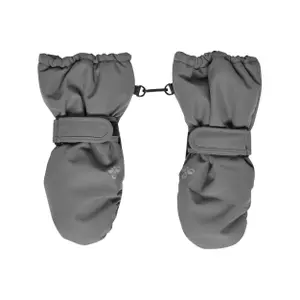

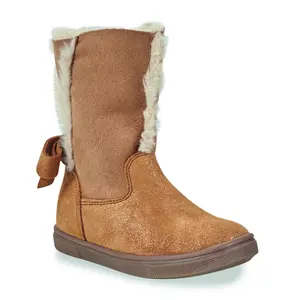

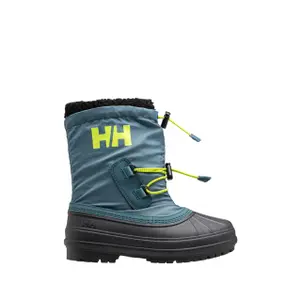
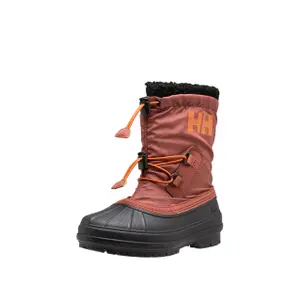
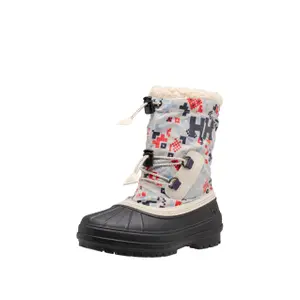
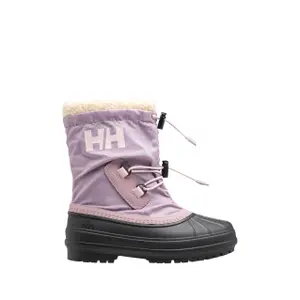


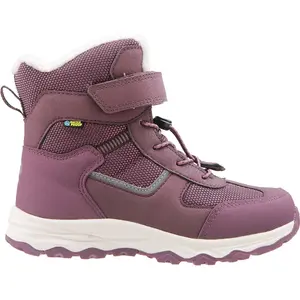
The baby accessories in the Christmas shop bring together everything to protect little ones from the cold and the sun: soft hats, wool balaclavas, thumb-free mittens, non-slip socks and sunglasses suitable from the first few months. Useful gifts, easy to pop under the Christmas tree, prepared and dispatched within 24 hours.
Small accessories, real comfort in winter.
Hats and balaclavas: keeping a baby's head covered in winter
In babies, the head makes up a large part of the body's surface area: it's where heat escapes fastest, making a hat an essential winter accessory. Choose one that covers the ears well, in cotton for the city or wool for very cold weather. Babybugz's knotted hat, made from organic cotton, is ideal for the first few months, while Barts, an Amsterdam-based headwear specialist, offers bobble hats for chilly outings.
In a pushchair in freezing weather, a balaclava is safer than a scarf: it protects the neck and cheeks without loose ends or a knot to tighten. Danish brand Mikk-Line makes a full-coverage wool version with a bobble, as well as a fleece one decorated with little ears.
Christmas clothes and shoes for babies
To complete a gift, the Christmas baby clothes selection brings together snowsuits, pyjamas and outfits for the first few months, to pair with a hat or mittens. Christmas baby shoes include soft slippers, touch-fastening trainers and boots for first steps, helping to kit out a little one from head to toe.
Mittens and socks: keeping hands and feet warm
Before the age of two, mittens are much more practical than gloves: there's no need to fit each finger in one by one, and keeping the fingers together helps them stay warm. Mikk-Line's wool mittens are suitable for dry-weather walks, while the waterproof mittens from Sterntaler, a German baby accessories company founded in 1965, stand up to slushy snow. Barts also offers mittens for little ones. A long cuff stops them from falling off at the first movement.
For little feet, non-slip socks, such as Nike's Gripper socks, help keep babies steady when crawling and taking their first steps on tiled floors. Lenz's five-pair packs mean you can change them every day, and the brand also makes merino wool socks for the coldest days.
Baby sunglasses: snow, beach and mountains
A young child's lens is still very clear, letting more UV rays through than an adult's: sunglasses are essential in the snow, at the beach or at high altitude, where light is strongly reflected. Category three is enough for everyday use; the darker category four is best reserved for high mountains and the sea. Check for the CE mark and the EN ISO 12312-1 standard on the arm or label, as the tint of the lenses says nothing about their UV filter.
Altitude Eyewear, a French brand founded in the Jura in 2013, designs its Bout'Chou range for children aged from birth to three, with the Pti'Lou and Billy models. Belgian brand Komono, founded in Antwerp in 2009, makes the Lulu, a colourful frame for little girls.
Baby accessories: Black Friday, sales and new arrivals
It's best to get winter accessories ready early: Black Friday is a chance to get hats and mittens ahead of the festive season. After Christmas, the winter sales are a good time to buy the next size up for the end of winter, followed by the spring French Days, summer sales, which are perfect for sunglasses, and the back-to-school season. Throughout the year, special offers, clearance and new arrivals take over.
Frequently asked questions
At what age can a baby wear sunglasses?
There are styles available from birth, as long as you choose a lightweight frame designed for your baby's age, with no hard parts. Before six months, it's best to avoid direct sunlight; sunglasses should be used alongside a hat and shade.
What size hat should I choose for a newborn?
Baby hats are sized by head circumference, which is around thirty-five centimetres at birth, or by age in months. Measure above the eyebrows and ears, and choose a stretchy knit that can keep up with rapid growth in the first few months.
How do I wash a wool hat or mittens?
Wash them by hand or on the machine's wool cycle, using cold or lukewarm water and a gentle detergent. Leave them to dry flat, away from a radiator, so the wool doesn't felt and keeps its shape.
What accessory should I give a baby for their first Christmas?
A matching hat and mittens make a useful gift that can be worn all winter. For a baby going to the mountains during the holidays, a pair of sunglasses suited to their age is an original and protective present.
How many pairs of socks should I have for a baby?
Allow one pair a day, plus a few spares for nappy leaks and outings, so around ten pairs in total. Multi-packs make it easier to rotate them, and buying one size up means you don't have to replace them all at the first change.











