
Car seats for babies and children, from infant carriers to booster seats
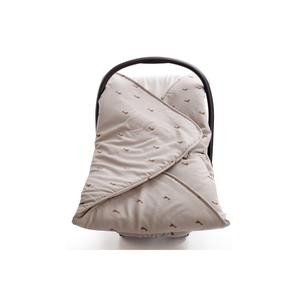


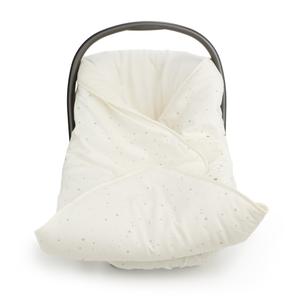
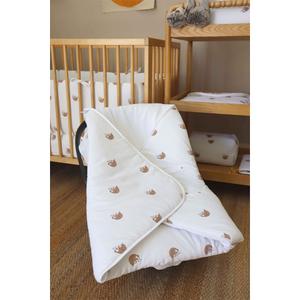
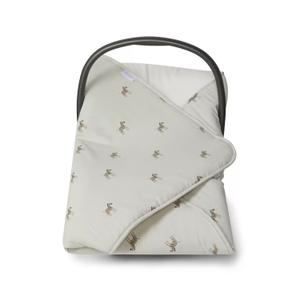
In the weeks leading up to the festive season, Sneakids’ Christmas Shop brings together the childcare gifts that people club together to buy. A car seat is one of them: since 1 September 2024, only models approved under the R129 regulation, known as i-Size, can be sold, and they are chosen according to the child’s height rather than their weight.
A safety item that grows with your child until they are ten.
Which car seat to choose based on your child's age and height
The R129 regulation classifies car seats by the child's height, measured in centimetres, rather than their weight, as the old R44 regulation did. Babies first travel in an infant carrier, fitted rear-facing: this position is compulsory until at least fifteen months, and experts advise keeping it for as long as the seat allows. Next comes a seat with an integrated harness, followed by a high-back booster seat, which guides the car's seat belt over the shoulder and pelvis. Under R129, a backless booster seat is only allowed from a height of one hundred and twenty-five centimetres. The Highway Code also requires children under ten to be secured in an approved restraint suited to their body size.
Pushchairs and changing bags for journeys
A car seat is just one part of travelling with a young child. The pushchairs from the Christmas Shop take over when you arrive, and some can be fitted with an infant carrier on their frame using an adapter. The travel accessories include changing bags to keep nappies, a bottle and a change of clothes close to hand on long journeys.
Isofix, seat belt, support leg: how to secure the seat
A car seat can be secured in two ways. With the Isofix system, two rigid arms click into metal anchor points between the seat and backrest of the car's rear seat; an indicator usually turns green when the seat is locked in correctly. A third point prevents the seat from tipping forwards in a crash: either a support leg resting on the floor or a top tether attached behind the backrest. The other method uses the car's seat belt, which must pass exactly through the coloured guides shown on the seat. Before buying, check the manufacturer's compatibility list: not all seats fit all rear seats, particularly in small city cars.
Front seat, winter coats and long journeys
The law prohibits carrying a child under ten in the front seat, unless they are seated rear-facing in a seat designed for this or the vehicle has no rear seats available. In this case, the front passenger airbag must be switched off. In winter, take off your child's padded coat before fastening the harness: its padding creates a gap that can let the child slip out during sudden braking. Fasten the harness over a jumper, then put the coat or a blanket over the straps. On a long journey, the Road Safety Authority recommends a break every two hours, which also works well for younger children, who need to stretch their legs and be changed.
When to buy a car seat
Car seats need changing as your child grows, so you have time to plan ahead. Black Friday and the Christmas period are good times to move from an infant carrier to a seat with a harness, followed by the winter sales, the spring French Days and the summer sales, which come before the big road trips. The start of the school year is often when schoolchildren move on to their first booster seat. The special offers bring together the latest deals.
Frequently asked questions
Until what age is a car seat compulsory?
Article R412-2 of the Highway Code requires all children under ten to use an approved restraint suited to their body size. After that, a seat belt on its own is only suitable if it crosses the shoulder, not the neck.
Can you still use an R44-approved seat?
Yes. R44 seats have not been available for sale since 1 September 2024, but you can still use them as long as they are in good condition and suit your child.
Should you replace the seat after an accident?
Manufacturers recommend replacing it after a collision, even if there is no visible damage: the shell may be cracked on the inside and may not absorb a second impact. Keep the instruction booklet, which explains the conditions.
When should you move from the infant carrier to the next seat?
When your baby's head reaches the top edge of the infant carrier or they exceed the maximum height shown on the approval label. Age alone is not a good guide, and it's not a problem if their feet touch the backrest.
How can you check that the harness is tight enough?
Try pinching the strap at collarbone height: if you can pinch a fold of fabric, tighten it. You should only just be able to fit a finger between the harness and your child's chest.













