
Low-cost Asics gift ideas for kids


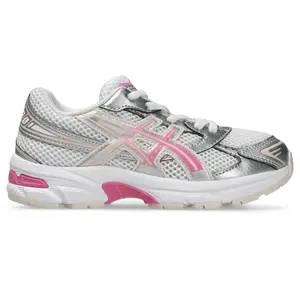

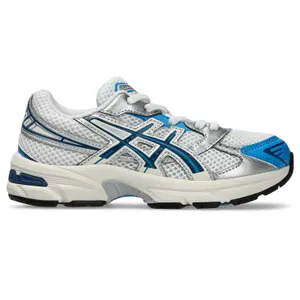

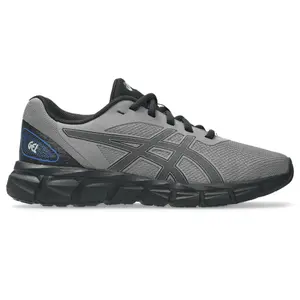


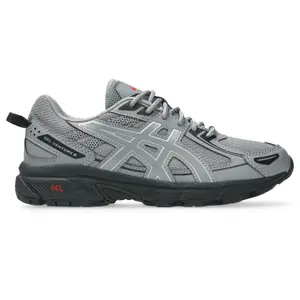
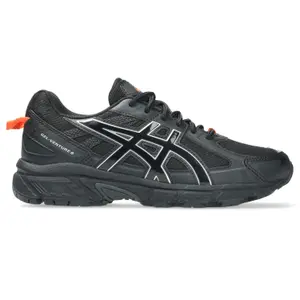


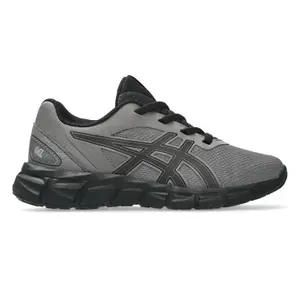


Giving Asics children’s shoes at Christmas means choosing a Japanese brand that has been making running shoes since the post-war period. This page brings together Asics items for boys and girls, chosen for their affordable prices, mainly sports shoes designed for running, playing in the playground and taking part in PE lessons, in understated or brighter colours such as pink and sky blue.
Japanese running shoes, in children’s sizes.
Asics, a running brand born in Kobe
The story of Asics began in 1949 in Kobe, Japan, when Kihachiro Onitsuka founded Onitsuka Co. to equip young athletes in his country. In 1977, a merger with two other manufacturers gave rise to the current name, an acronym of the Latin motto Anima Sana In Corpore Sano, “a sound mind in a sound body”, adapted from a line by Juvenal.
The brand made a name for itself in running, then in tennis and volleyball. Its children’s styles draw on this heritage: cushioned soles, breathable mesh uppers and well-supported heels — features that matter just as much for a school cross-country run as for a day spent running around the playground.
Other brands in the gifts on a budget range
Asics is part of the Christmas Shop’s selection of gifts on a budget, which includes other sports brands. The Nike and Puma pages offer trainers with more of a focus on style, while Kickers makes leather shoes for children to wear to school. To complete the outfit, take a look at Jack & Jones and Only kids clothing, or warm pieces from The North Face and Napapijri.
Which Asics shoe size to choose for a child
The right size depends on the length of the foot, not the child’s age. Have your child stand on a sheet of paper with their heel against the wall, at the end of the day when their foot has swollen slightly, and measure from the heel to the tip of the longest toe. Then compare this with the size guide on the product page.
Allow about one centimetre of extra room for growth and foot movement while running: this is roughly the width of a thumb at the front of the shoe. Shoes that are too big can cause trips and wear unevenly. For younger children, whose feet grow quickly, check their size every three or four months.
Hook-and-loop straps or laces: choosing Asics shoes for your child’s age
For a nursery-age child, choose a fastening with hook-and-loop straps or elastic laces: they can put their shoes on by themselves after nap time or playtime, and the shoes stay firmly on. Around seven or eight years old, once they can tie their laces, a version with standard laces offers better support for sport.
Also think about how they’ll be used. For PE in the sports hall, a sole that won’t slip on the floor is essential; for cross-country or running outdoors, good grip on wet ground makes all the difference. Light colours get dirty quickly at school, while darker shades such as black or navy blue are more forgiving.
The best times to buy a pair of Asics
A pair of Asics is often on the shopping list from Black Friday, a few weeks before the festive season. If it can wait, the winter sales, the spring French Days, then the summer sales and back-to-school are other good times to shop, with back-to-school being the usual time to get ready for PE. Between these dates, special offers and clearance have end-of-line styles, while new arrivals show the latest colours.
Frequently asked questions
What does GEL mean on an Asics shoe?
It’s the name of the brand’s cushioning technology, introduced in the mid-1980s: gel inserts in the heel and sometimes the forefoot absorb the impact of each stride. On a children’s shoe, they make running more comfortable on hard ground.
How do you clean children’s Asics trainers?
Brush off dried mud, then clean the upper with a sponge, warm water and a little mild soap. Wash the laces and insole separately, and leave them to air dry, away from a radiator that could damage the glue and foam.
Are Asics shoes suitable for a child with wide feet?
It depends on the model, as widths vary from one style to another. Try them on at the end of the day: the toes shouldn’t touch the sides, and the foot shouldn’t spill over the sole. Loosening the laces at the front can also give a little more room.
Are Asics suitable for a child in an athletics club?
Yes. For training and cross-country, a lightweight running shoe with a good tread is more than enough. Spiked shoes are only needed for track competitions, on the advice of the club coach.
Can you give Asics shoes to a three-year-old?
Yes, as long as you choose a soft, lightweight shoe with easy-to-use hook-and-loop fastenings. At this age, the sole should bend at the front of the foot, and the shoe should be measured carefully, as feet are still growing very quickly.











