
Christmas clothes for girls


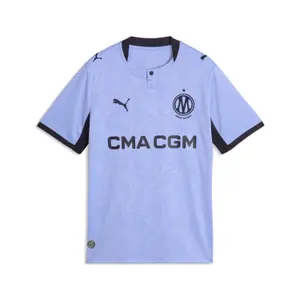

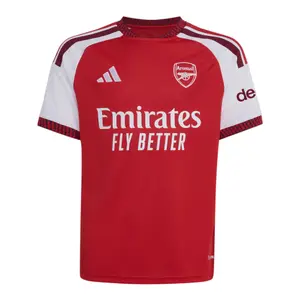
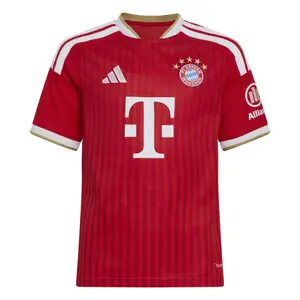





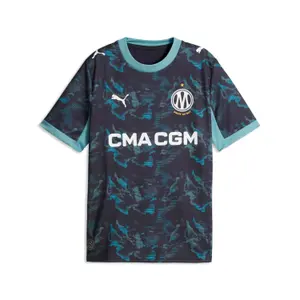





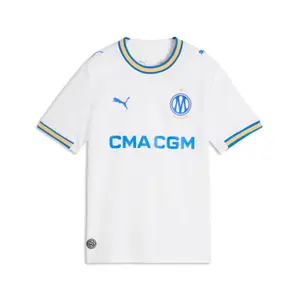
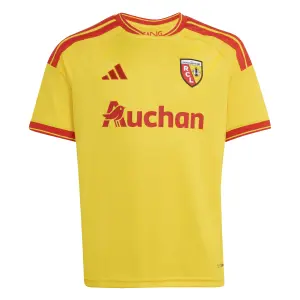

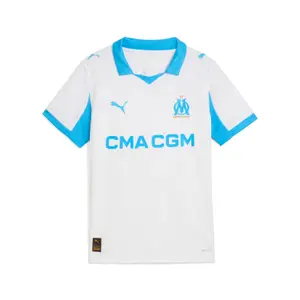

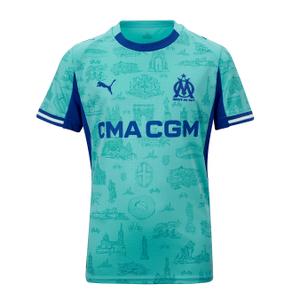


The girls’ clothing in the Christmas shop dresses children aged three to fourteen for winter and the festive season: warm jumpers, dresses and skirts for Christmas Eve, puffer jackets for the playground, and cosy pyjamas to unwrap on Christmas morning. Useful gifts, prepared and dispatched within 24 hours.
Well dressed from the playground to Christmas Eve.
What clothing size for a girl aged three to fourteen
Children’s clothing sizes are given in years but refer to height: three years is around 98 centimetres, four years 104, six years 116, eight years 128, ten years 140, twelve years 152 and fourteen years 164. Measure your daughter standing up, barefoot, and choose the size that matches her height or is just above it.
Growth isn’t steady: after five to six centimetres a year during childhood, the growth spurt of puberty often happens between the ages of ten and twelve in girls. At this age, going up a size is almost always the right choice for a Christmas present, especially for trousers, which become too short sooner than tops.
Christmas shoes and accessories for girls
To complete an outfit, Christmas shoes for girls include ankle boots, party flats and school trainers. Christmas accessories for girls add hats, neck warmers, mittens and belts to coordinate with a jumper or a padded jacket.
Layering for winter: from the playground to the heated classroom
A winter school day alternates between a freezing playground and a heated classroom: layering three garments works better than one thick jumper. Against the skin, wear a cotton or merino T-shirt or vest; over that, a jumper or fleece; and finally a padded jacket or parka to keep out the wind and rain, which the child can take off in class.
For a padded jacket, synthetic filling dries faster and stays warm even when damp, which is handy for children playing in the snow; down is lighter for the same warmth but is more affected by water. A detachable hood and reflective strips, useful on dark December mornings, are two details to check.
Party dress and Christmas pyjamas: comfortable fabrics
A party dress should be comfortable first and foremost for an evening that runs late: a cotton lining stops tulle, sequins or lace from irritating the skin, and a simple zip at the back is easier to manage than lots of buttons. Have a matching cardigan ready, as family homes aren’t always well heated.
Christmas pyjamas, often opened on Christmas Eve or on the morning of the 25th, are best made from soft cotton, ideally with the OEKO-TEX label, which guarantees that harmful substances are below the specified limits. European standard EN 14878 also covers the fire behaviour of children’s nightwear.
Clothes for girls: Black Friday, sales and new arrivals
Winter clothes are often bought in stages. Black Friday is a chance to choose an outfit for the festive season; the winter sales are a good time to buy a size ahead for the following winter, followed by the spring French Days, summer sales and back-to-school season, when it’s time to refresh the school wardrobe. Check out the new arrivals and special offers throughout the year.
Frequently asked questions
How do you label a girl’s clothes for school?
Iron-on labels can be applied in a few seconds with an iron, while sew-on labels stand up better to repeated washing. Label cardigans, coats and hats first, as these are the items most often left on the classroom coat rack.
How do you organise a girl’s clothes in her bedroom?
Keep the outfits for the week within her reach, folded by type in drawers or labelled boxes, so that she can get dressed on her own. Out-of-season or still-too-big items can go up high, and regular clear-outs help prevent things piling up.
Should you buy a size up as a present?
For a jumper or padded jacket, going up a size means she can wear it for longer, with the sleeves rolled up for the first few weeks. For a party dress to be worn on Christmas Eve, it’s better to get the exact size.
How can you stop jumpers bobbling?
Wash them inside out at 30 degrees, filling the drum two-thirds full to reduce rubbing. Mixed fibres bobble more than combed wool or long-staple cotton, and a fabric shaver can tidy up well-worn jumpers.
What clothes should you pack for a ski trip?
Pack a snowsuit or a waterproof jacket and trousers, breathable thermal underwear and a fleece mid-layer. Avoid cotton next to the skin, as it holds on to sweat and makes the child cold as soon as they stop skiing.













