
Girls’ swimwear for the pool and beach


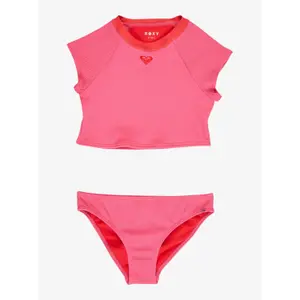
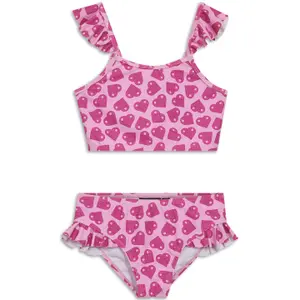


A girls' swimsuit needs to stay in place when your child dives, jumps into the waves or goes down the waterslide. This selection includes one-pieces, bikinis and tops to mix and match from Protest, Regatta, Banana Moon, Red Point and Cruz, for seaside holidays and trips to the pool.
Good coverage, a secure fit and easy to spot.
One-piece or two-piece, depending on age and activity
A one-piece swimsuit is still the safest choice for young girls and for swimming: it stays in place when diving, covers the tummy and back, and offers more protection from the sun. Crossed back straps, common on swimming styles, stop them slipping off the shoulders while swimming.
A two-piece, with a separate top and bottoms, is popular with older girls and makes going to the loo easier, a real plus for children who are independent. Choose a top with wide straps or a sports-bra style that stays in place in the waves. Protest, a Dutch brand launched by board-sports enthusiasts, offers plenty of styles, as does British brand Regatta, founded in Manchester in 1981, and Banana Moon, a swimwear brand founded in 1984.
For the beach and after swimming
Children get cold quickly after a swim: pulling a hooded sweatshirt over their damp swimsuit will warm them up on the way back. For a walk along the beach, a light dress slips on over the swimsuit in a moment, while cotton T-shirts and vests cover their shoulders at snack time. Flowy tops and blouses complete summer outfits.
Sun protection: the UV-protective swimsuit
A standard swimsuit only protects the areas it covers. For full days at the beach, a UV-protective swimsuit with short or long sleeves covers the shoulders and upper arms, which burn fastest on children. The label should state a UPF 50+ rating under European standard EN 13758-2, which sets the requirements for sun-protective textiles.
Stretched or wet fabric lets more UV rays through, so a well-fitting swimsuit made from a tightly knitted synthetic fabric is a good choice. Sunscreen is still essential on the face, legs and hands, and a UV-protective swimsuit is no reason to avoid staying out of the sun during the hottest hours, between midday and 4 pm.
Colour and fabric: stay visible in the water and withstand chlorine
Tests by a company specialising in water safety compared how visible swimsuits in different colours were underwater: in a pool with a light-coloured floor, neon pink and neon orange stood out best, while white, light blue and dark shades blended into the surroundings. The study has not been published in a scientific journal, but it suggests choosing bright colours.
For the pool, check the fabric composition: elastane, which makes the fabric stretchy, does not stand up well to chlorine and eventually loses its shape. A swimsuit with a high polyester content, especially PBT, lasts much longer in the pool. Always rinse the swimsuit in fresh water as soon as you get out, and dry it in the shade.
Swimwear on sale, from winter to back to school
Swimwear is rarely on your mind in November, but Black Friday is a good time to get one ready for swimming lessons or a sunny holiday. During the festive season and the winter sales, end-of-line styles from the previous summer can be found in the clothing clearance. The spring French Days kick off swimwear season, alongside the latest clothing; during the summer sales, it’s a good time to buy a second swimsuit for the holidays, and at back-to-school time, one for school swimming lessons.
Frequently asked questions
Which swimsuit is best for a baby swimming class?
Swimming pools generally require a reusable or disposable swim nappy, worn on its own or under a close-fitting swimsuit around the thighs. For a baby, choose a style that opens easily at the crotch or with poppers, in a soft, quick-drying fabric.
How do I choose the right size swimsuit for a girl?
A swimsuit should fit snugly, as the fabric stretches when wet: one that is too big will gape when diving and let water in. Go by your child’s height rather than their age, and don’t buy a size up for next summer.
How many swimsuits should I pack for a holiday?
Two swimsuits mean one can dry while the other is being worn, so your child doesn’t have to put on a cold, damp one in the morning. For a week at a swimming course or water park, a third is a good idea.
Does my child need a special swimsuit for school swimming lessons?
Most pools require a one-piece or close-fitting two-piece swimsuit and do not allow loose clothing. A sports swimsuit made from polyester stands up better to regular sessions, and a swimming cap is often compulsory.
Does a swimsuit with floats mean I don’t need to supervise my child?
No. A swimsuit with built-in floats can help a child get used to the water, but it is a learning aid, not a lifesaving device. An adult must always stay close enough to reach the child, both in the water and at the poolside.











