
Children’s football shirts from clubs and national teams
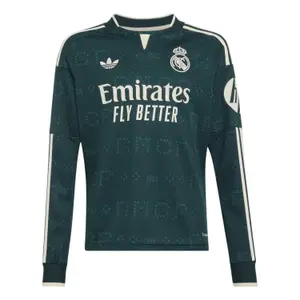


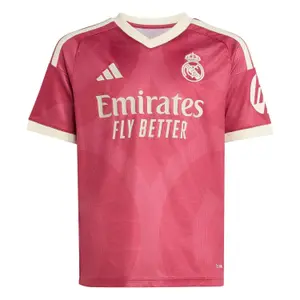
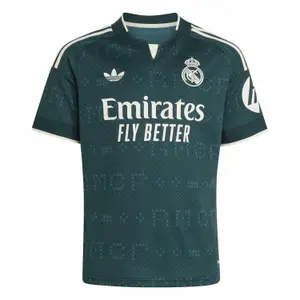
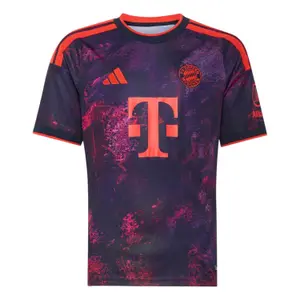
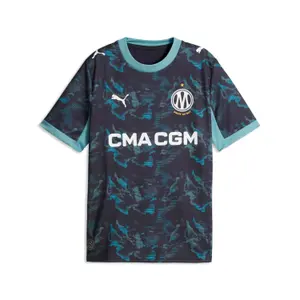

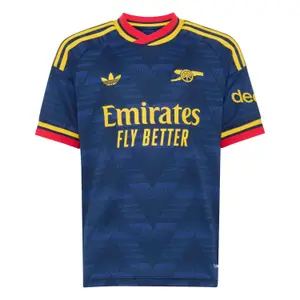

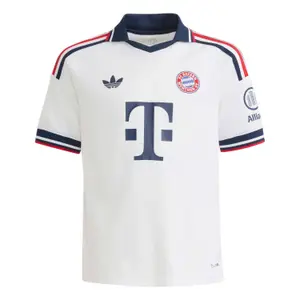


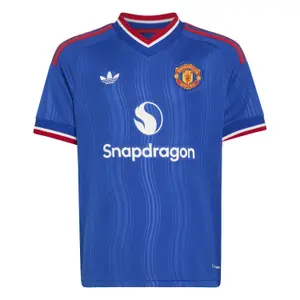
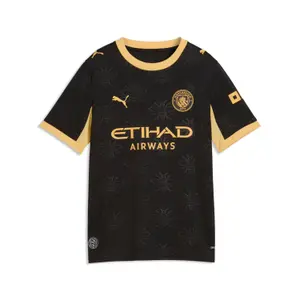
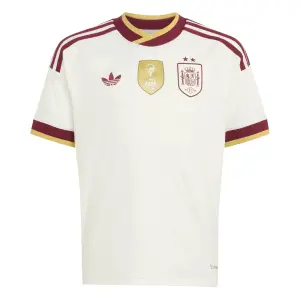
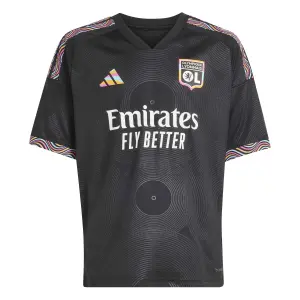
A children’s football shirt is chosen first and foremost with the heart: their Sunday evening club, a team in a major tournament or the team of their family’s country of origin. This page brings together home, away and third shirts from major European clubs and national teams, in children’s and junior sizes, as well as goalkeeper shirts and long-sleeved versions.
Their team’s shirt, in the right size.
What size football shirt should you buy for a child?
Most sportswear brands, including adidas and Puma, label children’s sizes by height in centimetres. A size 128 shirt fits a child who is 128 cm tall, around seven to eight years old on average; size 152 corresponds to a child aged eleven to twelve, and size 164 to a young teenager. Other brands use junior letter sizes, from XS to XL, which vary in fit: in that case, follow the size chart for the specific style.
Measure your child barefoot, standing with their back against a wall, and compare their height with the size shown. A shirt should fit slightly loosely: if your child is between sizes, the larger one will give them room to grow without getting in the way when running or heading the ball.
Children’s football shirts by sportswear brand
Each sportswear brand has its own page. You’ll find the three stripes on the adidas page, the swoosh on the Nike page and the feline on the Puma page. European brands with a strong heritage are also featured: Le Coq Sportif for the French cockerel, Kappa for the Omini logo, and Umbro for the English diamond. Specialists in team kits include Macron, Joma and Jako; goalkeepers can find their kit at Uhlsport, and retro fans at Copa Football. Finally, New Balance and Paris Saint-Germain complete the selection.
Replica or authentic: two fits for two different uses
Major clubs and national teams offer two versions of the same shirt. The authentic version matches what the players wear: a close fit, ultra-light fabric, a heat-applied badge and laser-cut ventilation holes. It is popular with teenagers who play for a club and want the exact kit worn by their heroes.
The replica version keeps the same design but has a straighter fit and slightly thicker fabric, often with an embroidered badge. It stands up better to repeated washing, sliding around in the playground and years of wear. For a child under ten, it’s almost always the best option, especially as it leaves more room for a base layer in winter.
Children’s goalkeeper shirts
The goalkeeper wears a shirt in a different colour from the outfield players and referees: this is required by the laws of the game, so they can be easily recognised in the penalty area. Club and national team goalkeeper shirts therefore come in bright or dark colours chosen by each team.
For a young goalkeeper, choose a long-sleeved style: it protects their arms when they dive on dry or artificial pitches. Some junior shirts also have reinforced elbows, which come in handy at training when they have to make repeated saves. Lastly, check that the fit leaves their shoulders free to move, as goalkeepers often raise their arms above their heads.
Football shirt offers throughout the year
Football shirts follow a calendar of their own. November’s Black Friday is often the best time to get ahead with your Christmas shopping. The winter sales and spring French Days include shirts from the current season. Before summer, clubs unveil their new kits: you’ll find them on the new clothing page, while the summer sales and back-to-school season see older styles move to the clothing clearance page. The special offers page brings together the latest deals.
Frequently asked questions
Can you personalise a child’s football shirt with their name?
Yes, heat-pressed printing lets you add a name and number to the back in the club’s or competition’s official font. A first name has the advantage of never going out of fashion, unlike a player’s name, which can change teams.
What do the stars above a national team’s badge mean?
Each star represents a World Cup won by the national team. Some clubs also display stars for European titles or a certain number of league titles, according to rules that vary from country to country.
Why do clubs change their shirts every year?
Clubs generally update their home, away and third kits each new season, working with their sportswear brand. Last season’s shirt is still perfectly wearable and is often available at a reduced price.
Should you wash a new football shirt before wearing it?
It’s best to wash a child’s shirt first to remove any fabric finishes. Wash it inside out at 30 degrees, without fabric softener, which clogs the technical fibres and reduces their ability to wick away sweat.
Can a club shirt be worn for children’s football training?
Yes, as long as you don’t mind it wearing out more quickly. Many parents save the official shirt for watching matches with the family and give their child an older shirt, or a training shirt, for Wednesday sessions.











