
The latest children’s shoes to arrive
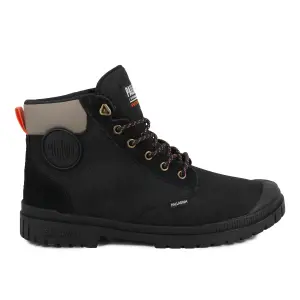
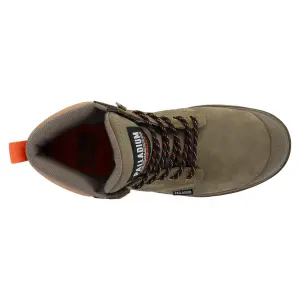
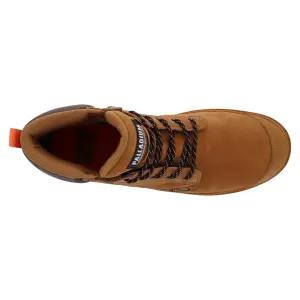
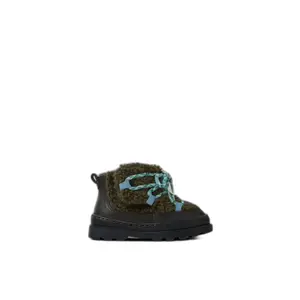
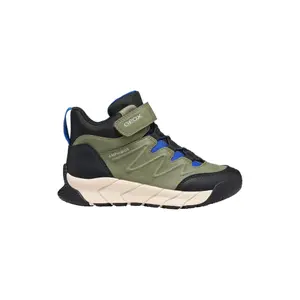
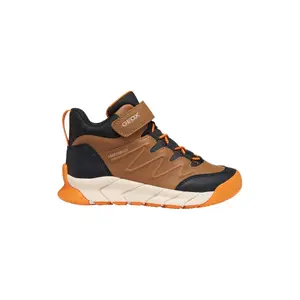
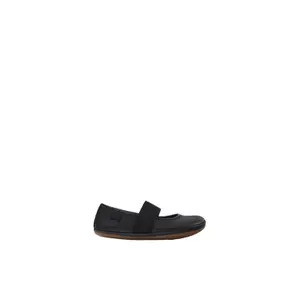
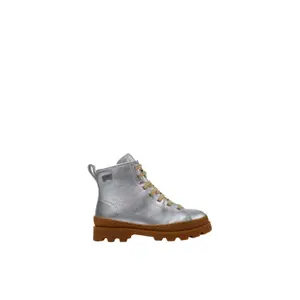
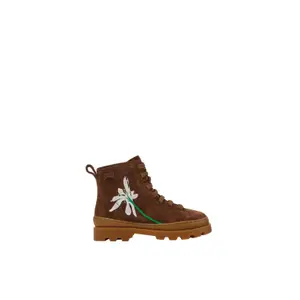

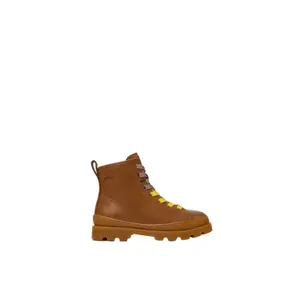
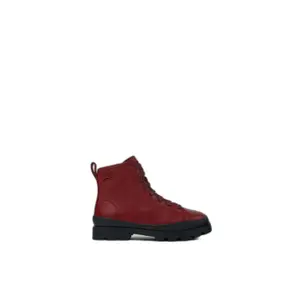

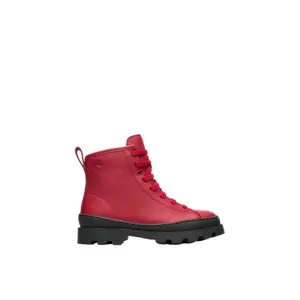
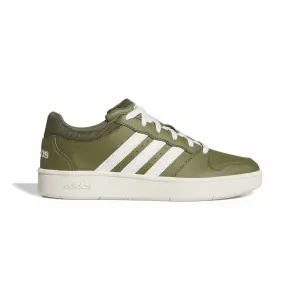


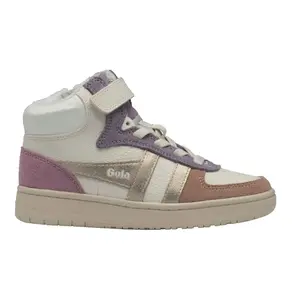
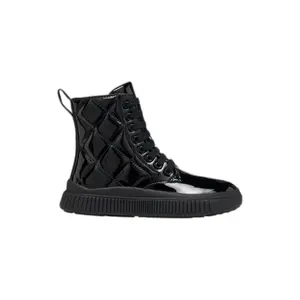
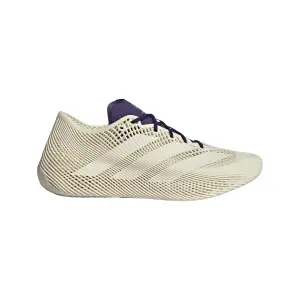
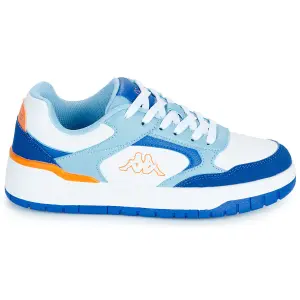
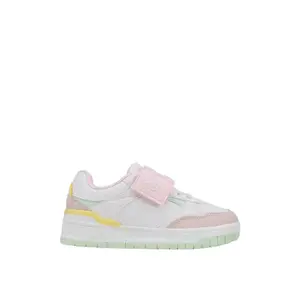
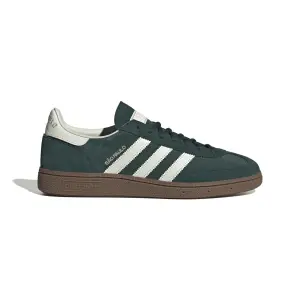
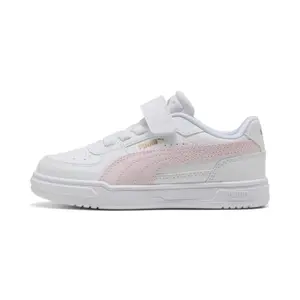


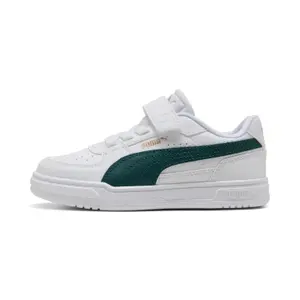


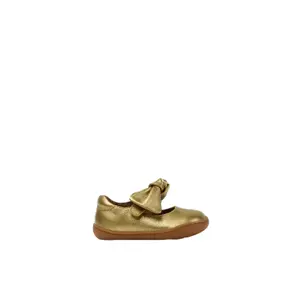
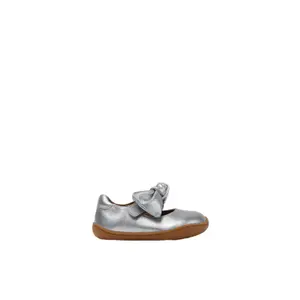
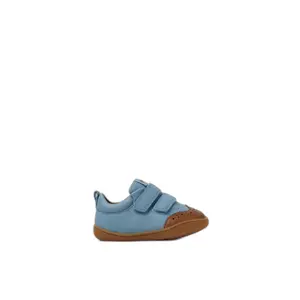
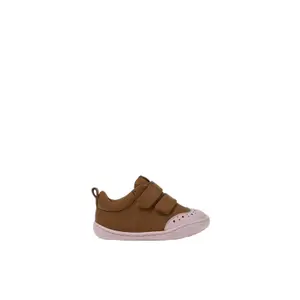
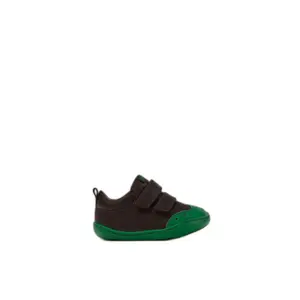
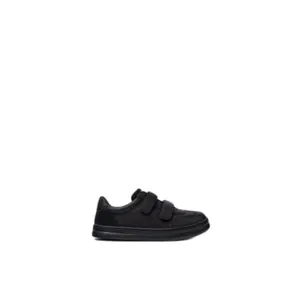
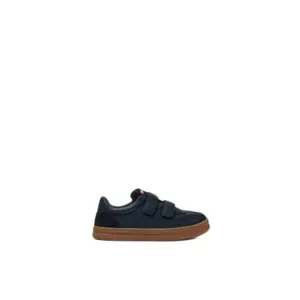
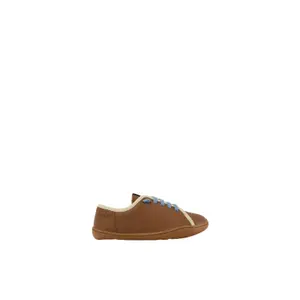
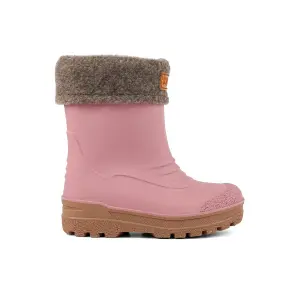
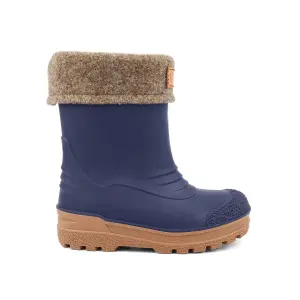
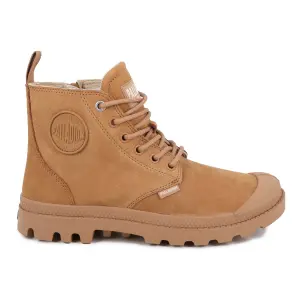
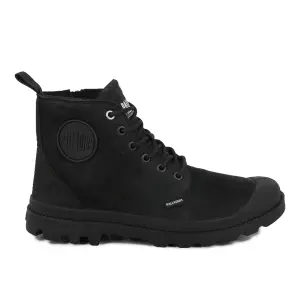
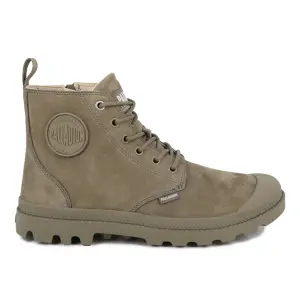
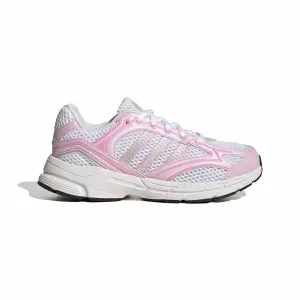
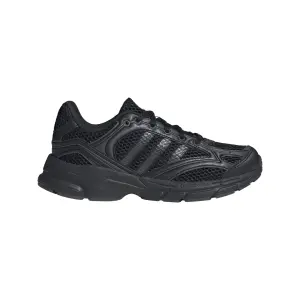
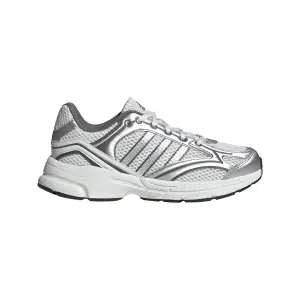
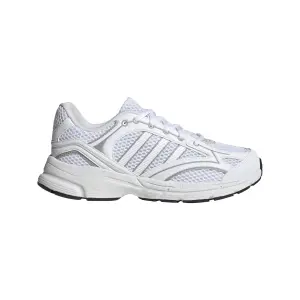
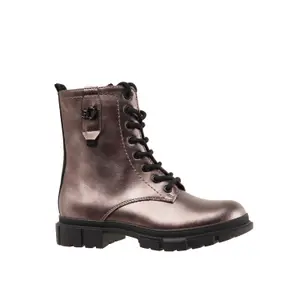
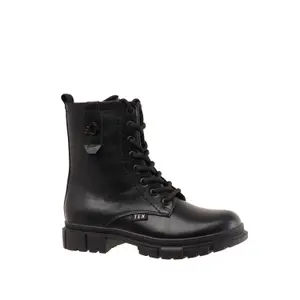
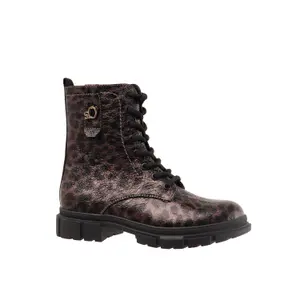
New children’s shoes bring together the latest styles for little feet: running-inspired trainers, canvas plimsolls, hook-and-loop shoes for school, sandals and ankle boots for every season. Here’s what sets each brand apart and how to choose the right size when you buy.
Little feet, well shod from day one.
Trainers, sandals, ankle boots: the latest styles for children
Trainers take centre stage. The Gel-1130 from Asics takes its design cues from a running shoe from the late 2000s, with gel cushioning in the heel; the Gel-Quantum Lyte and the Gel-Venture, which is more suited to trail running, complete the Japanese brand’s range. The Viper Glimmer Strap from Gola fastens with a hook-and-loop strap and sparkles with glitter, while Skechers offers soft, comfortable soles.
Victoria offers its canvas trainers and its Tribu, with a chunky sole, in a Horma Ancha version too, with a wider fit for feet that feel cramped. Depending on the season, the latest styles also include hook-and-loop sandals for warmer days and ankle boots for winter, from Geox, Shoo Pom or Palladium.
More new arrivals for children
A new pair of shoes often goes with a new outfit. The latest clothing sees you through the changing seasons, the latest outdoor and sports gear makes trips to the park last longer, and the latest games and toys keep children busy on rainy days. For the home, the latest bedroom items and the latest baby products round things off.
PS, GS: understanding sports shoe sizes
Sports brands group their children’s styles by size ranges, marked with English abbreviations. PS, short for Pre-School, refers to sizes for nursery and early primary school children, often with hook-and-loop straps or elastic laces. GS, short for Grade School, covers older children, up to sizes that overlap with the adult range.
Whatever the brand, measure your child’s foot while they’re standing, at the end of the day, then allow about one centimetre for growing room. Shoes that are too big can cause trips and falls, while shoes that are too tight squeeze toes that are still developing. Check the size every three or four months for younger children, whose feet grow quickly.
Victoria, Gola, Palladium: brands with a long history
Several brands featured in the latest styles have a history stretching back over a century. Victoria was founded in 1915 in the La Rioja region of Spain: its founder named it after his wife, and the brand began vulcanising its soles in the 1950s. Gola was established in England in 1905, initially to make football boots.
Palladium was founded in 1920 to make aircraft tyres, then turned to footwear in 1947 with the Pampa, a canvas and rubber boot adopted by the French Foreign Legion. A more recent brand, Shoo Pom is part of the Vendée-based Shoemakers group, one of the last French manufacturers of children’s shoes, while Geox became known for its breathable soles.
When to buy shoes for your child
Shoes need replacing as your child’s feet grow and the seasons change. Black Friday comes before the Christmas holidays, the winter sales are a good time to look for ankle boots, the spring French Days herald the arrival of sandals, and then the summer sales and back-to-school season are all about school trainers. The latest styles, clearance and great deals follow the same seasonal pattern.
Frequently asked questions
Hook-and-loop straps or laces: when should children switch?
Most children learn to tie their laces between the ages of five and seven. Until then, hook-and-loop straps or elastic laces help them put their shoes on by themselves at school, which nursery teachers really appreciate.
My child has wide feet. Which styles should I choose?
Look for styles described as wide, like the Horma Ancha version of the Victoria Tribu, and shoes with adjustable hook-and-loop fastenings. Try shoes on at the end of the day: the foot should not spill over the sides or the sole.
Do I need to buy new shoes for every new school year?
Not necessarily, but children’s feet often grow by a size over the summer, so measure their feet again at the end of August. A pair with a worn heel or a flattened sole should also be replaced, even if the size still fits.
How do I clean canvas trainers?
First brush off any dry dirt, then wash the canvas with warm water, mild soap and a soft brush. Avoid the washing machine unless the manufacturer says it’s safe, and leave the shoes to air-dry, stuffed with paper and away from radiators.
Can a pair of trainers be passed from one child to another?
For sports shoes that haven’t been worn much, yes, as long as the sole and heel counter are still in good condition. For a child’s first steps, it’s better to buy a new pair, as shoes mould to the foot and walking style of their first owner.











