
Water games and swimming pools for family fun this summer




When the temperature rises, there’s nothing like a dip in the garden. Paddling pool, above-ground pool with a frame or inflatable, splash pad with water jets, inflatable hot tub: each option suits the children’s ages and the space available. You’ll still need to filter and heat the water, cover the pool and, above all, make it safe, as a young child can drown in very little water.
Cool off in the garden, safely.
Paddling pools, frame pools or self-supporting pools
For toddlers, a few centimetres of water are enough to have fun: fill the paddling pool in the morning, empty it in the evening and there’s no need for any treatment. Once children can swim or want to get right under the water, an above-ground pool is the next step. A self-supporting pool, whose inflatable ring rises with the water, can be set up in an hour but is prone to damage from knocks. A frame pool, with its metal structure, is more rigid and taller; it stays up all summer.
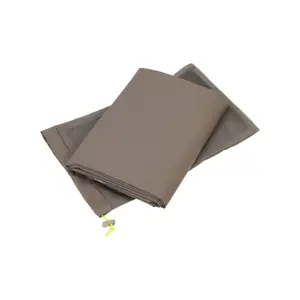
In all cases, the ground must be perfectly flat and clear of stones: a ground mat protects the liner, and a slope of just a few centimetres is enough to warp the structure once the pool is full.
Accessories, spas and water toys
Everything you need to run your pool, including a filter pump, cover, ladder or heat pump, can be found in Pool accessories. For a relaxing soak, the Spa / Jacuzzi page features spas, covers and care kits, while Water toys brings together water-spray mats that connect to a garden hose.
Water safety: rules to know
A young child can drown in less than three minutes in around twenty centimetres of water, without making a sound. No equipment can replace constant supervision by a designated adult, who must keep their eyes on the water at all times. The law of 3 January 2003 requires in-ground and semi-in-ground pools to have approved safety equipment, such as a barrier, alarm, cover or enclosure; removable above-ground pools are not covered by this rule, but the same safety precautions apply.
Remove or raise the ladder after swimming, don’t leave any toys floating in the pool, as they can draw a child towards the water, and empty the paddling pool after each use. Learning to swim early is still the best protection.
Filter, heat and cover your pool
Clear water starts with good filtration. A simple rule of thumb is to filter for half as many hours each day as the water temperature: twelve hours for water at twenty-four degrees. A sand filter can use filter wool or filter balls, which are much lighter and washable.
To warm the water by a few degrees, a bubble cover, placed with the bubbles against the water, captures the sun’s heat and limits evaporation. A heat pump warms the water by drawing heat from the air, while a dome protects the pool from leaves. For sunny days, a shade sail put up near the pool gives children shelter during the hottest hours.
Get ready for summer by the water
A pool is often chosen well before the first heatwave. Black Friday and the festive season are a good time to plan ahead for a pool or heat pump, then the winter sales and spring French Days come around just as it’s time to prepare the ground. Outdoor new arrivals help you get ready to fill the pool again, and during the summer sales and back-to-school season, outdoor and sports clearance offers end-of-season equipment.
Frequently asked questions
How deep should a pool be for a four-year-old?
Choose a water depth where the child can stand with their head well above the water: often less than sixty centimetres for a four-year-old. Deeper pools are for children who can swim, and they must always be supervised.
How can I keep the water in a small pool clean without chemicals?
For a paddling pool, the easiest option is to empty it every evening and refill it the next day. After a few days, stagnant water can become contaminated with bacteria: a larger pool needs filtration and suitable treatment, such as chlorine or bromine.
Do I need to register an above-ground pool with the local council?
A removable above-ground pool set up for less than three months a year does not need to be registered. If it stays up for longer and has a pool area of more than ten square metres, you’ll need to submit a prior declaration: check with your local council.
How do I prepare a frame pool for winter?
Most manufacturers recommend taking down a frame pool before the frost sets in: empty it, clean and dry the liner, then fold it up and store it somewhere sheltered. Store the metal poles in a dry place to prevent the joints from rusting.
What water temperature is comfortable for a child?
Young children get cold more quickly than adults: water at around twenty-six to twenty-eight degrees is comfortable for them. Keep swimming sessions short and take your child out as soon as they shiver or their lips turn blue.













