
Trampolines and accessories for bouncing in the garden

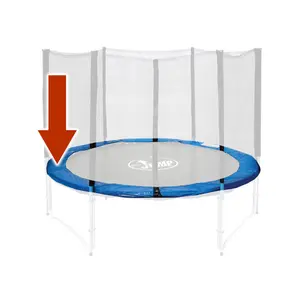
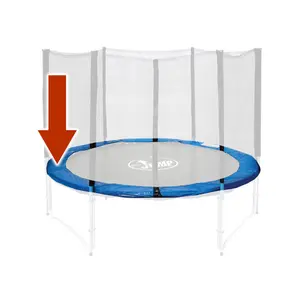
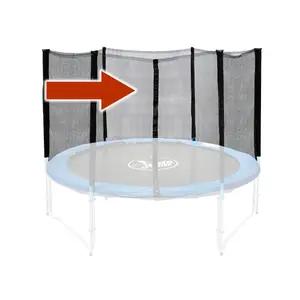
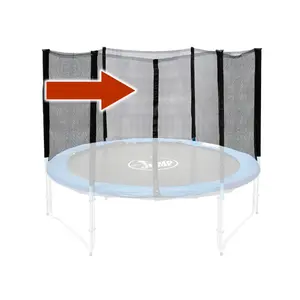
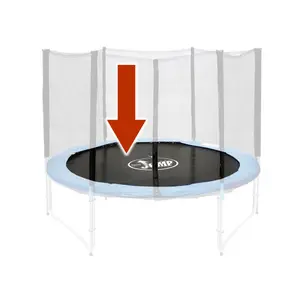
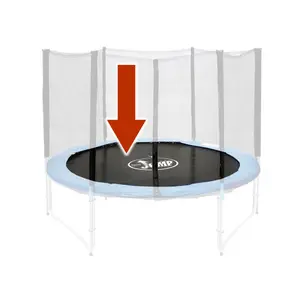


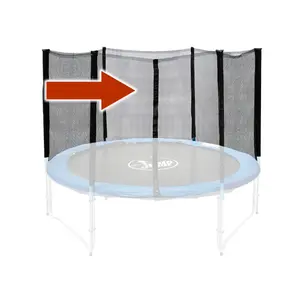
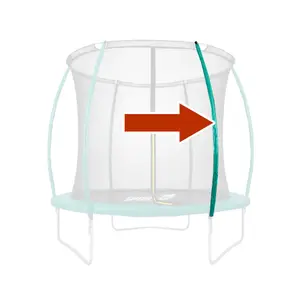
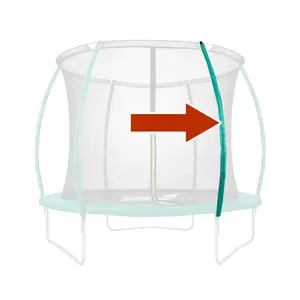
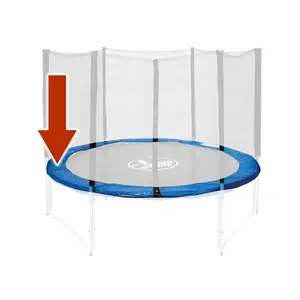
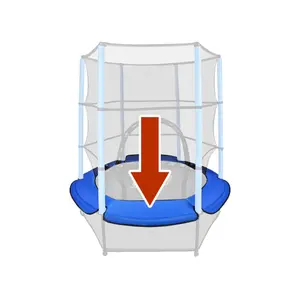
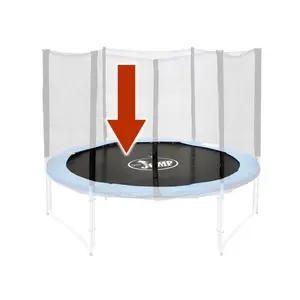
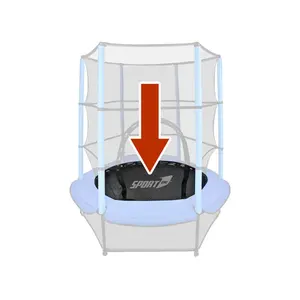
Trampolines are among the garden play equipment that keep children busy for years: they can jump, learn to control their bodies in the air and burn off seemingly endless energy. Well chosen and properly installed, with a safety net or sunk level with the lawn, anchored to the ground and protected over winter, a trampoline can see a family through from nursery to the teenage years.
Safe bouncing, summer after summer.
What age and size trampoline for a child
The European standard EN 71-14, which covers trampolines for family use, requires a warning that this equipment is not suitable for children under thirty-six months: before the age of three, children have not yet mastered their landings. Choose the size based on your garden and the age of the jumpers.
A trampoline around two and a half metres in diameter is enough for a young child, while sizes over three and a half metres suit older children who make bigger jumps. Allow a clear area of at least two metres around it, with no trees, low walls or garden furniture.
Trampolines and trampoline accessories
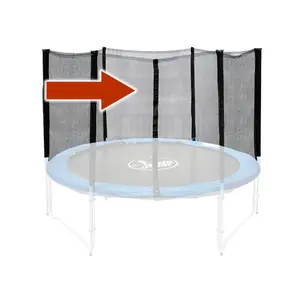
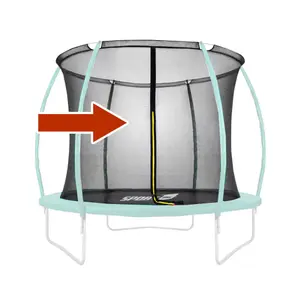
Complete models, either on legs with a safety net or sunk into the lawn, are listed on the Trampolines page, with their dimensions and round or rectangular shapes. Trampoline accessories extend their life and make them safer to use: an anchoring kit to hold them steady in the wind, an access ladder for younger children, and a protective cover for the winter.
In-ground or above-ground trampoline: what’s the difference?
An above-ground trampoline, surrounded by a safety net, can be set up anywhere and moved to protect the lawn. An in-ground trampoline sits in a pit dug in the garden: the mat is almost level with the ground, there’s no need for a ladder, and if you step off the mat, you land on the grass rather than beside a raised frame.
Dutch outdoor play specialist Exit Toys offers this design in its Silhouette range. The rectangular Sports version, measuring 244 by 366 cm, has no safety net and its frame is almost flush with the ground. Its discreet design appeals to families who don’t want a large structure in the middle of the garden.
One jumper at a time and other safety rules
- The EN 71-14 standard specifies that trampolines are for one person at a time: most accidents happen when several children bounce together and collide.
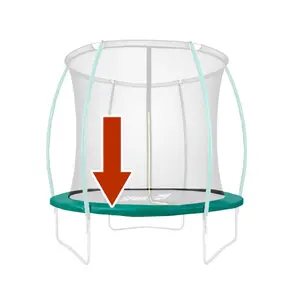
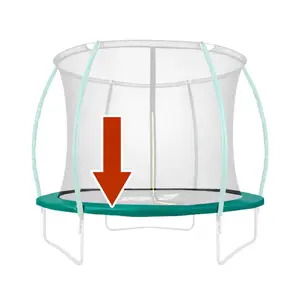
- The springs and frame should be covered with a protective pad in a different colour from the mat, so the edge is easy to see.
- An adult should supervise sessions; a safety net is no substitute for adult supervision.
- Jump barefoot or in non-slip socks, with empty pockets and no jewellery or objects in hand.
- Somersaults and upside-down moves should be practised at a club with a coach.
Trampolines and accessories on sale
A trampoline is often chosen in winter and set up in spring: Black Friday and the festive season get people thinking, while the winter sales are when they buy. The spring French Days fall around the time of installation, the summer sales come during peak jumping season, and the new school year gives you time to complete your equipment before winter. Outdoor and sports clearance and special offers bring together the latest deals.
Frequently asked questions
How do you prepare a pit for an in-ground trampoline?
Dig a pit to the dimensions given by the manufacturer. Add drainage at the bottom if the ground holds water, and keep the soil to level the edges. Air must be able to circulate beneath the mat so the bounce isn’t restricted.
Can you install a trampoline indoors?
Yes, with a mini trampoline designed for indoor use, often with a support bar, in a room with a high ceiling and plenty of space. The EN 71-14 standard also applies to these models, with the same minimum age of three.
Is trampolining good for children’s fitness?
Yes, jumping works the legs, abdominal muscles and balance, while also getting the heart working. Short, regular sessions are better than one long afternoon that leaves children tired and makes their landings less precise.
Can a trampoline withstand rain and frost?
Galvanised frames can withstand rain, but UV rays and frost damage the mat, net and protective pad. Remove the net and foam in winter, or cover everything with a protective cover, and sweep off snow so it doesn’t put too much strain on the springs.
When should you replace a trampoline mat or its springs?
As soon as you notice a frayed seam, a tear, or a slack or rusty spring: inspect the whole trampoline in spring and after every strong wind. Replace the springs as a full set with the same model, to keep the tension even across the mat.











