
Children’s and baby room décor

















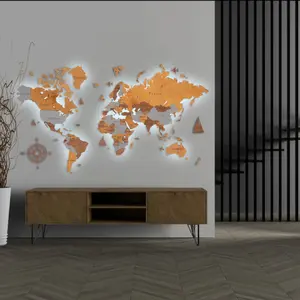
Children’s bedroom décor gives character to the room where your child sleeps, plays and grows. Mauro Ferretti wall panels, frames for their first photos, soft rugs on the floor, little armchairs at their height and embroidered cushions by Vivaraise: each item is chosen for its style, safety and ability to grow with them.
A room that reflects them.
How to decorate a child’s bedroom as they grow
A bedroom decorated for a baby should still appeal to a six-year-old. Choose a neutral base, with light walls and simple furniture, then add personality with things that are easy to change: posters and pictures, cushions and rugs. As their tastes change, from dinosaurs to stars, you can replace these rather than repainting the walls.
Also divide the room into areas: a calm sleeping area in soft colours, a play area with a rug, and a reading nook with a small armchair. Children find it easier to make a space their own when they understand how it is organised, and each area can be decorated to suit its purpose.
Walls, floor, seating: types of decoration
There’s a page for every surface. Wall decorations include pictures, panels and hanging objects to dress up the walls, while frames show off baby photos, posters or those first drawings. On the floor, rugs define the play area and soften falls, while armchairs give children a seat that’s the right size for reading or resting.
Safe decorations for little ones
In a baby’s bedroom, safety comes first when choosing decorations. Don’t hang pictures or shelves above the cot, where falling objects could be dangerous, and securely attach any heavy items to the wall using fixings suited to the surface. Plexiglass frames are a safer alternative to glass at child height.
Keep small decorative items, pom-poms and fragile objects out of reach while your child is still putting everything in their mouth, and put a non-slip mat under rugs on wooden floors. Take decorative cushions off the bed at bedtime: children under two should not have any in the bed overnight.
Cushions and textiles: a soft touch for the bedroom
Cushions are the easiest way to change the feel of a bedroom. Embroidered, patterned or plain, Vivaraise cushions feature designs ranging from delicate embroidery to pom-poms, and can be mixed and matched by colour on a child’s bed, an armchair or a reading nook on the floor. A removable, machine-washable cover is a must, as they’re used for playing as well as decorating.
Mix sizes and textures, such as washed cotton, linen or velvet, for a cosy feel without going overboard. Save bright colours for the play area and calming shades for the sleeping area. A thick floor cushion can soon become a child’s favourite spot for looking through a book.
Decorate the bedroom for special occasions
Small touches are an easy way to refresh the decor, and every special occasion is an opportunity. Black Friday bedroom and the festive season are a good time to give pictures and cushions, before the winter sales. The spring French Days and summer sales are a chance to make bigger changes, and starting school often marks the move to a grown-up bedroom. Find recent additions in new bedroom items and end-of-line products in the bedroom clearance.
Frequently asked questions
Which colours help children sleep?
Soft, muted shades such as sage green, powder blue, beige or light terracotta create a calming atmosphere that helps children drift off. Save bright colours for accessories in the play area, which are easy to change.
How can I personalise the room with my child’s name?
Painted wooden letters, a fabric letter garland or a print with your child’s name can be fixed to the wall or door, and often become keepsakes. For a baby, place them away from the cot and use secure fixings rather than adhesive ones.
Should I decorate the bedroom before the baby arrives?
It’s best to paint and assemble the furniture at least a month before the due date, and air the room to let the smells clear. Decorative items can wait: your child’s personality and your own finds can help complete the room over the coming months.
Which Christmas decorations are suitable around a toddler?
Choose fabric or felt garlands and unbreakable baubles, hung out of reach, rather than glass decorations or items with small parts. Hang fairy lights well away from the bed, and never let the cable hang at child height.
How should I decorate a bedroom shared by a brother and sister?
Set up two separate areas, each with its own colours, picture or shelf, and use a shared background colour to tie the room together. A central rug and matching cushions bring the two spaces together without losing each child’s individuality.











