
Storage for a child's bedroom
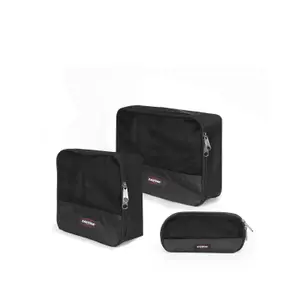
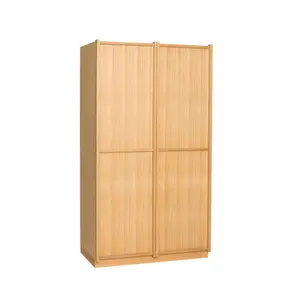
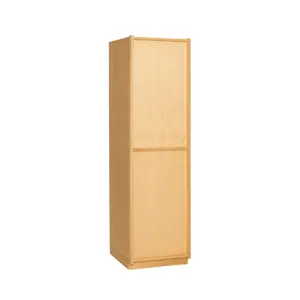


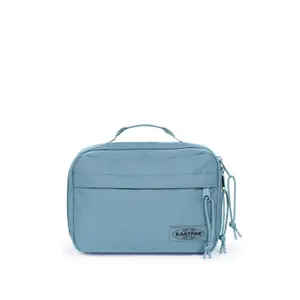


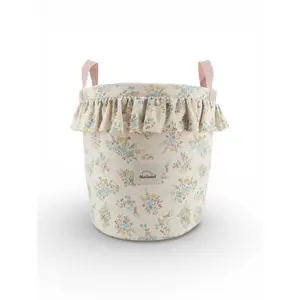
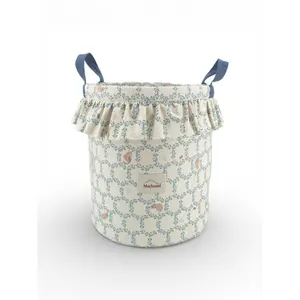
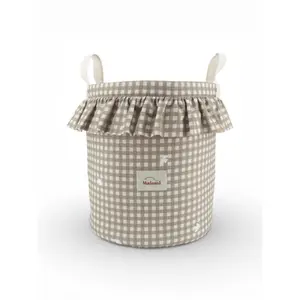
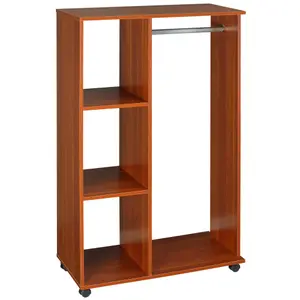


A good children’s bedroom storage solution is designed at their height: open boxes for toys, a front-facing book display, a clothes rail so they can choose what to wear, and a wardrobe and chest of drawers for clothes. Woood makes pine wardrobes, JaBaDaBaDo a wooden clothes rail, 3 Sprouts a recycled fabric book organiser and Rex London large bags made from recycled plastic.
Everything in its place, within easy reach.
Keep storage at child height to encourage independence
Children are more likely to put things away when they can see and reach them. Teaching approaches inspired by Maria Montessori recommend low, open storage: a few baskets on the floor or on a low shelf, each for a different type of item, rather than one large chest where everything gets mixed up. A photo or drawing stuck to the basket helps younger children who can’t read yet put each item back in the right place.
Rotating toys and keeping some out of sight in a closed storage bag to bring out again a few weeks later helps keep clutter under control and renews a child’s interest.
Wardrobes, chests of drawers, baskets and clothes rails
For hanging and folding clothes, wardrobes combine hanging space and shelves, while chests of drawers store bodysuits, pyjamas and socks in their drawers, often beneath a changing top for the first few years. Storage baskets, made from seagrass, fabric or plastic, keep toys and small items together on the floor or on a shelf. Finally, clothes rails keep outfits within easy reach for children learning to dress themselves.
Books, toys, clothes: one piece of furniture for each use
- Store books with the covers facing out: 3 Sprouts’ recycled fabric storage unit displays picture books cover-first, at toddler height, so they can choose their own bedtime story.
- Everyday clothes can go on a clothes rail like this one from JaBaDaBaDo, a Swedish brand with Scandinavian lines, or in a low chest of drawers.
- Pine wardrobes from Woood, a Dutch furniture maker, provide hanging space and shelves for bed linen and clothes to grow into.
- Rex London’s large recycled plastic bags hold soft toys and duvets, while the Eastpak bag illustrated by Keith Haring is ideal for sports kit.
Stability and safety of storage furniture
A loaded wardrobe or chest of drawers can tip over if a child climbs on an open drawer or hangs from a door. Secure all tall furniture to the wall using the fixings provided and wall plugs suited to your wall, and store heavy items at the bottom to lower the centre of gravity.
For toy chests, choose a lid held by a stay or with a soft-close mechanism, so it won’t fall on little fingers—or better still, choose a box without a lid. Also check that drawers have stops to prevent them coming right out of their runners and falling onto feet.
When to update bedroom storage
Storage often needs reorganising after big waves of gifts. Black Friday bedroom deals come before Christmas, which fills the toy boxes to overflowing, while the winter sales are a good time to find more storage space. The spring French Days and summer sales are a chance to sort out clothes that have become too small, before the new school year puts books and school bags back at the centre of the bedroom. The latest models are in new bedroom arrivals, while end-of-line items are in bedroom clearance.
Frequently asked questions
How should I store toys for a two-year-old?
At this age, keep only a few toys in sight at a time and use containers they can empty and fill on their own: three or four low baskets, each marked with a picture of what’s inside. Tidy up together at the end of the day, singing if you like, to help make it a habit.
What storage works best in a small child’s bedroom?
Make use of the height and the space under the bed: wall shelves out of reach for fragile items, wheeled boxes under the bed, and a narrow clothes rail behind the door. A piece of furniture with two uses, like a storage bench, helps keep the floor clear.
Wood or fabric storage: which should I choose?
Solid wood or wood-based panels give the room structure and last for years, but they’re heavy and need to be fixed to the wall. Fabric and seagrass are lightweight, easy to move and can be washed or brushed; they’re suitable for toys and clothes, but not heavy items.
How can I teach a child to tidy their bedroom?
Give each category of item a fixed place and show them what to do rather than just explaining it. Break the task into smaller steps—books first, then toy cars—and praise their effort: by around four or five, a child can tidy a simple room almost on their own.
How should I store clothes that are too small for a younger sibling?
Wash them, sort them by size and store them in sealed, labelled bags, away from damp and light, on top of a wardrobe or under a bed. A lavender sachet or a few cedar shavings help keep moths away.











