
Baby scarves and gloves on sale
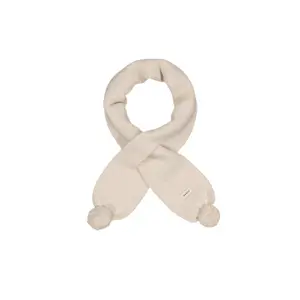
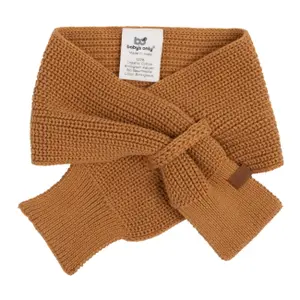
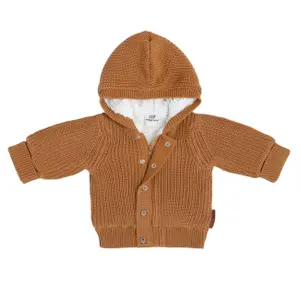
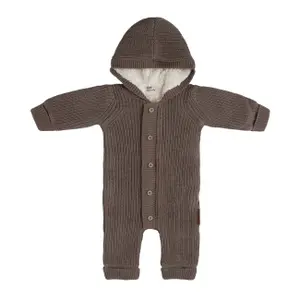
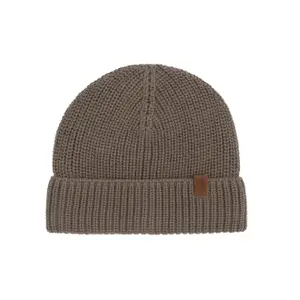
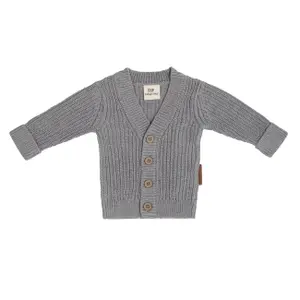
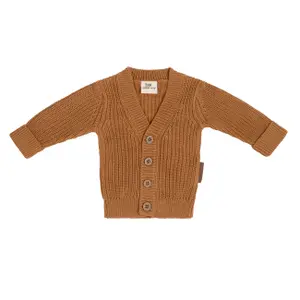
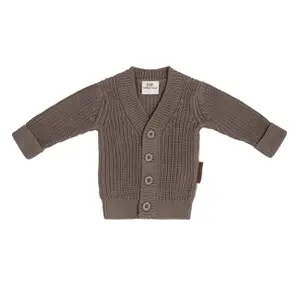
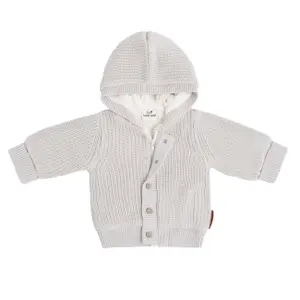
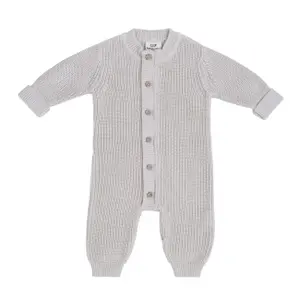
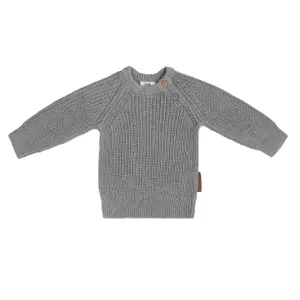
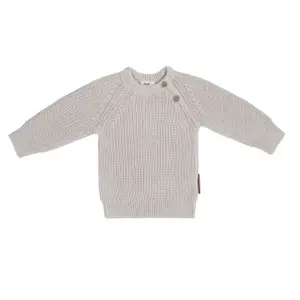
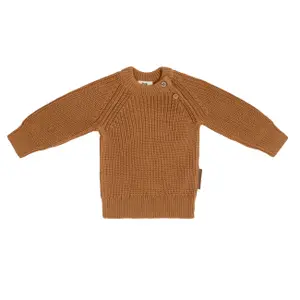
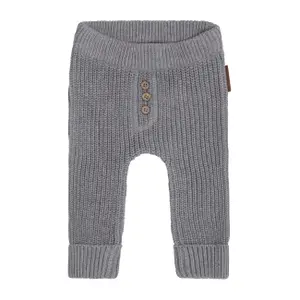
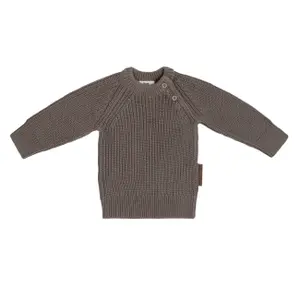
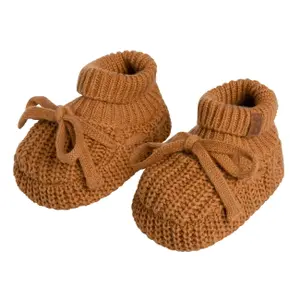
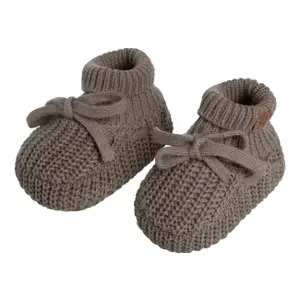
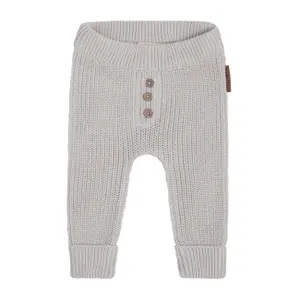
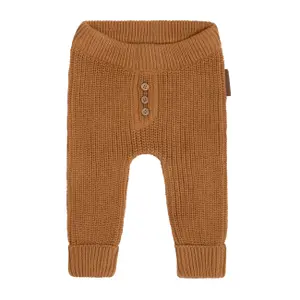
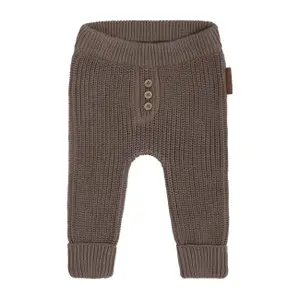
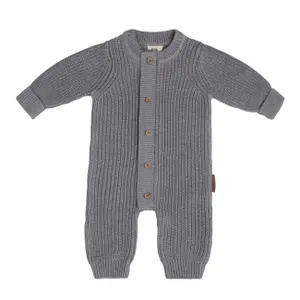
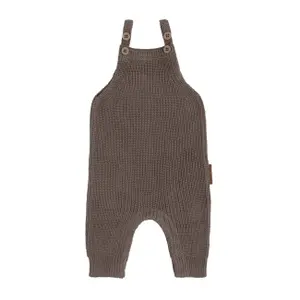
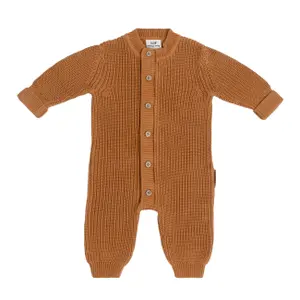
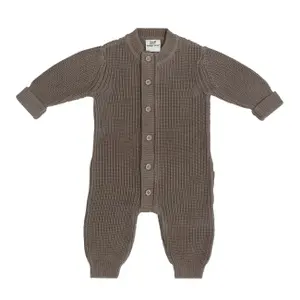
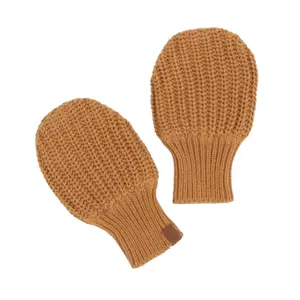
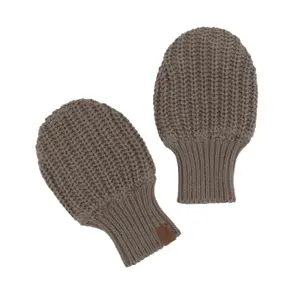
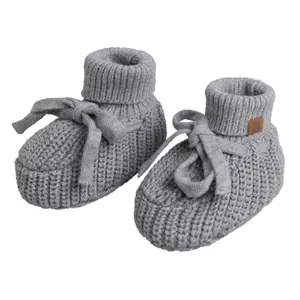
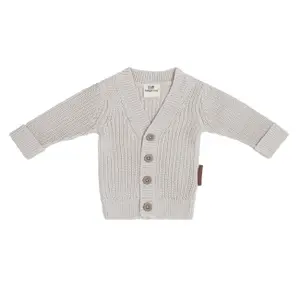
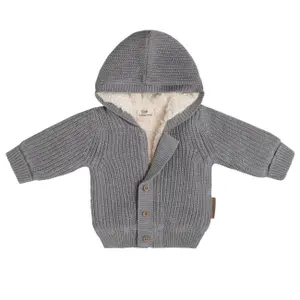
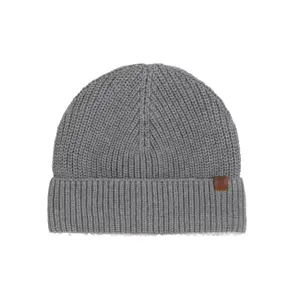
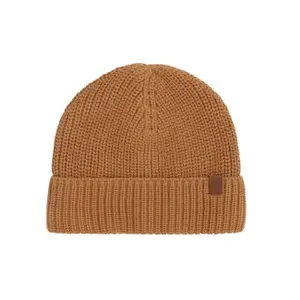
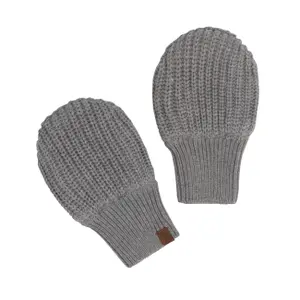
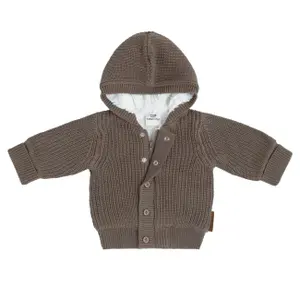
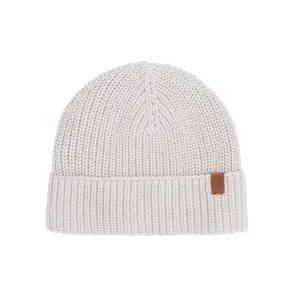
During the sales, Sneakids reduces the price of scarves and gloves for babies that finish off their winter outfits: soft scarves like the Ninea by Barts, snoods that wrap around the neck without any loose ends, and mittens for little hands that are still getting the hang of things. These accessories get lost easily, so the sales are a good time to pick up a spare.
Keeping little necks and hands warm and cosy.
Scarf or snood: keeping a toddler’s neck warm
A scarf protects the neck and lower face from the wind, but for a toddler, its loose ends can get caught in a pushchair wheel, a car door or a slide. It should therefore be worn short and tied loosely, and only under adult supervision — never during a nap or in a car seat. The Ninea scarf by Barts, a Dutch accessories brand, is a cosy choice for walks.
A snood, a tube of fabric that pulls on over the head, offers the same warmth without any ends hanging down. It stays in place when a child moves and can easily be pulled up over the nose in strong winds, making it the simplest choice for nursery and the early years.
Other baby accessories in the sales
For headwear, the Headwear page brings together lined hats, rain hats and bucket hats for all weather. You’ll find all the discounted accessories, including hats, scarves and mittens, on the Accessories page — handy for putting together a matching set.
Mittens before gloves: keeping little hands warm
Before the age of two or three, mittens are a better choice than gloves. They slip on in seconds over a hand that can’t yet spread its fingers one by one, and keep hands warmer because the fingers are together and warm each other. For a baby, a simple, soft, thumb-free mitten shaped like a bag is enough.
Five-finger gloves come into their own when a child wants to pick up a sandpit spade or a snowball on their own. A long cuff, tucked under the coat sleeve, stops cold air getting in at the wrist, and waterproof mittens are still the better choice for playing in the snow.
Size, fastenings and care for mittens and scarves
Mittens that are too big slip off, while those that are too small squash the fingers and make them cold. To choose the right size, measure your child’s hand from the wrist to the tip of the middle finger rather than relying on their age alone. The elastic at the wrist should hold the mitten in place without leaving a mark on the skin.
To avoid losing them, choose mitten clips attached to each sleeve rather than a long cord worn around the neck. Turn scarves and mittens inside out before washing them on a low-temperature, delicate cycle, then dry them flat, away from a radiator that could make the wool stiff or shrink the linings.
When to buy winter accessories
Get scarves and mittens ready before the first cold spell. Black Friday comes at just the right time, and the festive season makes a scarf and mitten set a small but very useful gift. The winter sales then clear out cold-weather styles for use straight away or the following winter. French Days in spring, the summer sales and the start of the school year are quieter times for these items, and the Special Offers page is worth checking all year round.
Frequently asked questions
At what age can a child wear a scarf?
There’s no official age, but until around the age of three, a snood is safer than a scarf with loose ends. After that, a short scarf is suitable for supervised walks, but should be taken off before naps, in the car and when playing.
When should children switch to gloves with separate fingers?
At two, mittens are still often the best choice: they’re easy to put on and keep hands warmer. Some children ask for gloves at around three or four, when they want to pick things up more precisely.
How can I stop a baby taking their mittens off?
Choose mittens with long cuffs that reach under the sleeves, and an elasticated or adjustable wrist. A soft mitten in the right size is less restrictive, so your child is less likely to want to take it off.
Do children need waterproof mittens to play in the snow?
Yes. Wool or fleece mittens get wet quickly in the snow and then feel cold. Mittens with a waterproof outer and warm lining keep hands dry for longer; take a spare pair for longer outings.
Which scarf is best for a child with sensitive skin?
Choose a soft material such as fleece, cotton or fine, non-itchy wool, optionally lined on the side that touches the skin. Wash it before first use with a gentle detergent, and avoid fibres that shed near the face.













