
Boys’ sunglasses at sale prices
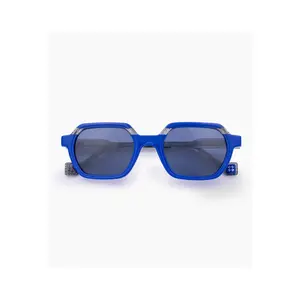
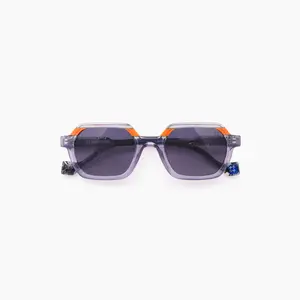
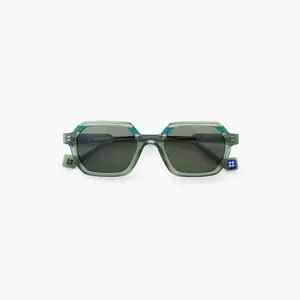
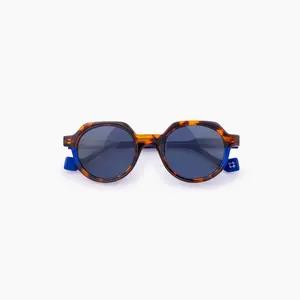
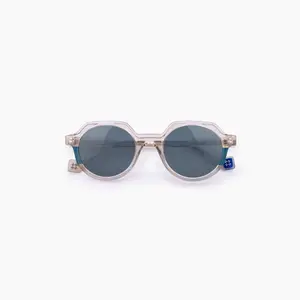
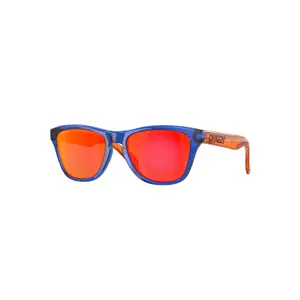
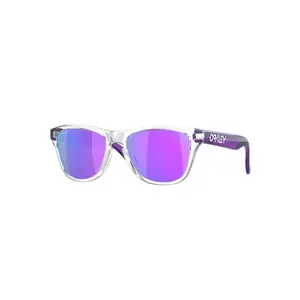
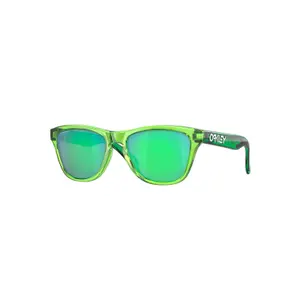


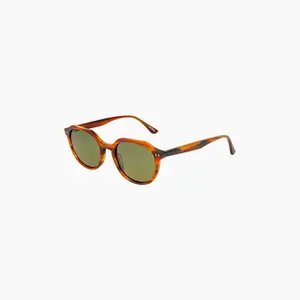
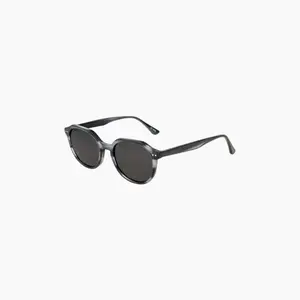
Beach, football pitch in the height of summer, snowy holidays: your son’s eyes need protecting far more often than you might think. This selection of boys’ sunglasses in the sale includes the Francis and Madison frames from Komono, the One model from Hawkers, the Flume X from Trespass, Okky sunglasses and a pair featuring Bluey for younger children.
Protecting his eyes without compromising on style.
Why children's eyes are sensitive to the sun
A child's lens is much more transparent than an adult's: before the age of one, almost all ultraviolet A rays reach the retina, and this natural filter only becomes more effective gradually, over many years. This means a young child is more exposed than an adult in the same conditions. High exposure can cause photokeratitis, a real sunburn of the cornea that is painful for several days, and eye specialists point to an increased risk of cataracts in the long term. Sand, water and snow reflect a lot of light, making protection essential on holiday.
Other boys' accessories in the sale
To complete sun protection, boys' caps in the sale shade the forehead and neck during outdoor play. When the cold returns, boys' hats cover the ears, while boys' scarves and gloves protect the neck and hands.
Category, UV filter, CE mark: how to read the label
Sunglasses are classified into five categories, from zero to four, according to how much light they block. Category three is suitable for very sunny days, at the beach or in the mountains in summer; category four, reserved for glaciers, is prohibited when driving and not recommended for cycling or riding a scooter, as it makes vision too dark. The tint says nothing about the filter: only the UV400 marking guarantees protection against ultraviolet rays up to 400 nanometres. Dark lenses without a filter are actually more dangerous than no sunglasses at all, as the pupils dilate. Finally, make sure they carry the CE mark, which is compulsory on all sunglasses sold in Europe.
Frames and fit: sunglasses that stay on
Children's sunglasses should first and foremost withstand falls and beach bags. Flexible frames and hinges can take twisting, while polycarbonate lenses handle knocks better than mineral glass. A slightly wraparound shape limits the light coming in at the sides. Komono, a Belgian brand founded in Antwerp in 2009, adapts its retro shapes for children's faces, while Hawkers, founded in Elche in 2013 by four friends, offers colourful frames. Trespass, a Glasgow company whose history dates back to 1938, brings its outdoor expertise, while Bluey, the heroine of the Australian cartoon launched in 2018, charms younger children.
Sale sunglasses before every trip
We tend to think about sunglasses when packing, but there are several occasions throughout the year. Black Friday and the festive season are a chance to get ready for ski holidays, when the snow is dazzling, and the winter sales follow the same pattern. The spring French Days herald the first sunny outings, the summer sales come just before the main holidays, and the start of the school year is a chance to replace a pair lost at the beach. In between, special offers include end-of-line styles.
Frequently asked questions
At what age should a child start wearing sunglasses?
As soon as your child spends time outdoors in bright sunshine, and especially from six months old at the beach or in the mountains. Before then, a wide-brimmed hat and the shade of a parasol offer the best protection.
Are polarised lenses useful for a child?
They remove dazzling reflections from water, snow or a wet road, making them much more comfortable by the sea. Polarisation alone does not filter ultraviolet rays: always check for the UV400 marking as well.
How can I tell if a pair is the right size?
The frames should not touch your child's cheeks or slip when they tilt their head down, and their eyes should sit in the centre of the lenses. The arms should rest behind the ears without pressing on the temples.
How can I clean lenses without damaging them?
First rinse them with clean water to wash away any sand, then wipe them with a clean microfibre cloth. Paper tissues and the hem of a T-shirt rub dust particles against the lenses and eventually leave marks.
Are sunglasses needed in winter?
Yes, especially in the mountains: snow reflects a large amount of light, and altitude increases exposure to ultraviolet rays. For skiing, a mask or category three or four sunglasses are essential, depending on the light.











