
Child car seats on sale: choosing one based on your child’s height
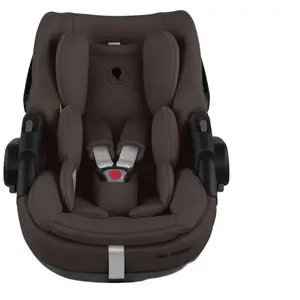
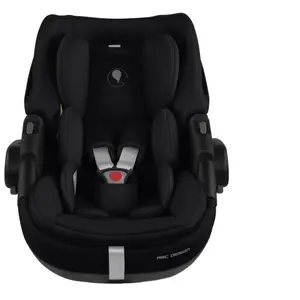
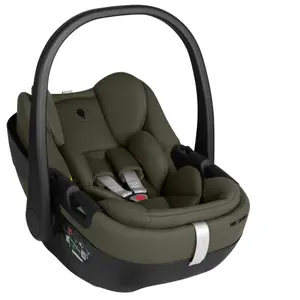
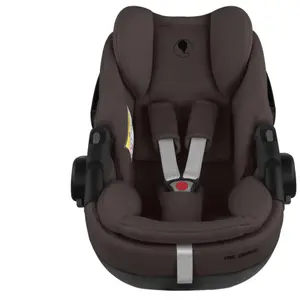
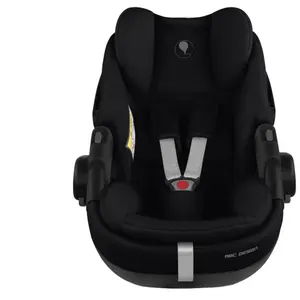
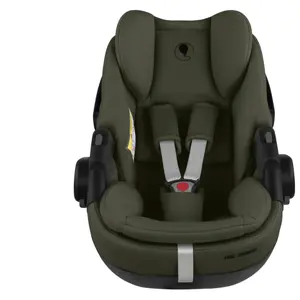
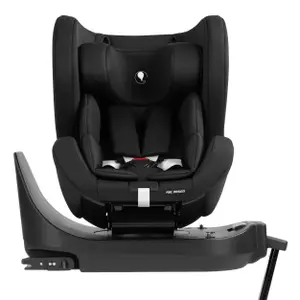
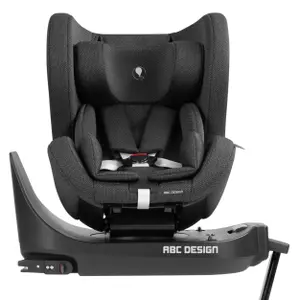
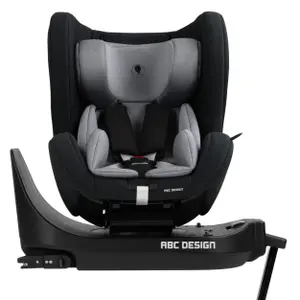
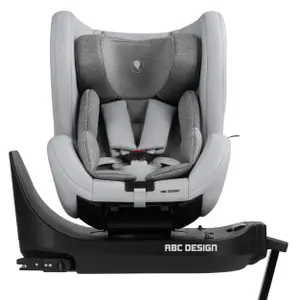
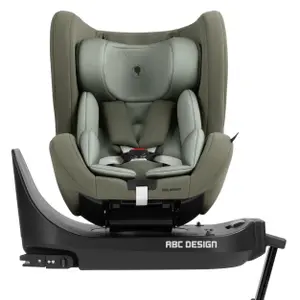
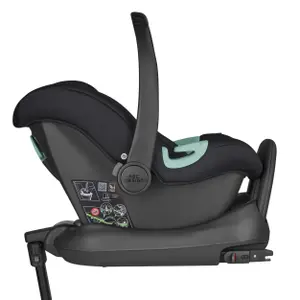
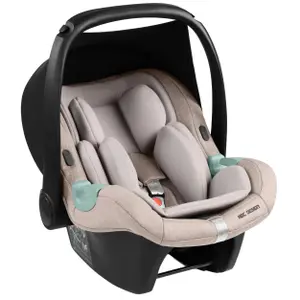




Car seat sales are a chance to equip your car for every stage, from a newborn car seat fitted rear-facing to a booster seat for older children. During sale periods, as throughout the rest of the year, one criterion comes before price: R129 approval, also known as i-Size, the only standard allowed for new car seats sold in the European Union since 1 September 2024.
Safety in the car, at every age.
Which car seat to choose based on your child's height and age
The R129 regulation classifies car seats by the child's height, in centimetres, rather than by their weight as under the old R44 standard. Each seat states the height range it covers: an infant carrier is suitable for the first few months, a seat for children from 40 to 105 cm often covers birth to around four years, then a high-backed booster for 100 to 150 cm takes over.
Age is therefore only a guide: a tall three-year-old may need the next seat before a four-year-old friend. It's time to change seats when your child's head rises above the top of the headrest at its highest setting, or when they reach the height limit shown on the label.
Pushchairs, bath time, mealtimes and baby's room
A car seat is often paired with a compatible pushchair: the pushchairs page brings together frames, carrycots and infant carrier adapters to go from car to walk. At home, the bath time page helps you kit out the bathroom, mealtimes brings together bibs, water bottles and highchairs, and the bedroom page features cots and night lights.
Why rear-facing seats offer better protection for little ones
A young child's head is heavy compared with their body, and their neck vertebrae are still fragile. In a frontal collision, the most common type, a seat fitted rear-facing spreads the force across the back and neck instead of letting the head move forwards. That's why the R129 regulation requires children to travel rear-facing until at least fifteen months, whereas the old standard allowed them to face forwards from nine kilos.
Many seats let you keep your child in this position for much longer, and it's recommended for as long as they're comfortable. A rear-facing seat must never be fitted in the front with an active front airbag: the airbag must be switched off, otherwise the seat should go in the back.
Isofix, seat belts and harnesses: fitting the seat correctly
i-Size seats are secured using the Isofix system: two metal arms click into the anchor points between the seat and backrest of the car's rear seat, with an indicator confirming they're locked in place. A support leg resting on the floor or a strap attached behind the backrest stops the seat tipping in a collision; check the manufacturer's compatibility list to make sure your car supports them.
Once your child is in the seat, the harness should be tight enough that you can fit only one or two fingers between the strap and their collarbone. Remove thick coats or snowsuits before strapping them in: the padding compresses in a collision, leaving a dangerous gap. A blanket placed over the harness will keep them warm without this risk.
Save on car equipment without overlooking safety approval
If you're expecting a baby in spring, Black Friday and the Christmas holidays give you time to choose a seat and try it in the car. The winter sales, followed by the spring French Days and summer sales, often come around when your child reaches the height limit of their seat, and the start of the school year is a good time to check it still fits. The deals page brings together other discounts throughout the year, which should always be compared on the basis of the same safety approval.
Frequently asked questions
Until what age is a car seat compulsory in France?
The French Highway Code requires every child under ten to use an approved restraint system suited to their size and weight. There's an exception if their build already allows them to wear an adult seat belt correctly, which is rare before this age.
Can a five-year-old use a booster seat without a backrest?
The R129 regulation reserves backless booster seats for children over 125 cm, a height rarely reached at five. A high-backed booster is safer, as it guides the seat belt to the right height and protects the head in a side impact.
Should a car seat be replaced after an accident?
Yes, manufacturers recommend replacing a car seat after an accident, even if there's no visible damage, as its structure may have been weakened. That's also why second-hand seats with an unknown history are not recommended.
Does a car seat have a limited lifespan?
Yes, plastic deteriorates with heat, cold and ultraviolet light, and most manufacturers state how long a seat can be used in the instructions. The date of manufacture is often moulded underneath the shell, so check it before passing a seat on to a younger child.
Can car seats approved under the old R44 standard still be used?
An R44 seat already bought can still be used if it's in good condition; only the sale of new ones stopped in September 2024. For a new purchase, however, only an R129 i-Size seat is now available to buy.











