
Baby beanies, hats and caps for French Days






Starting at £15.00
£10.00


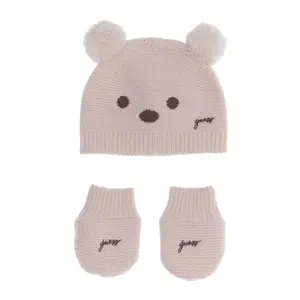
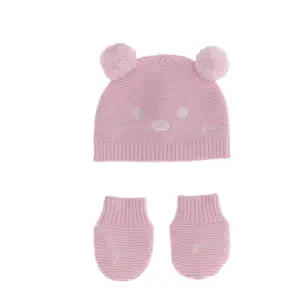
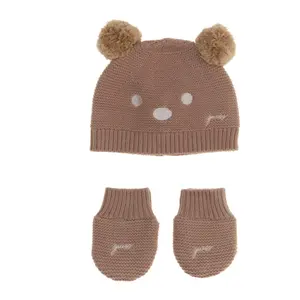
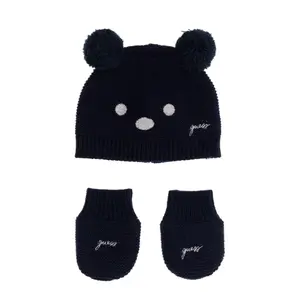
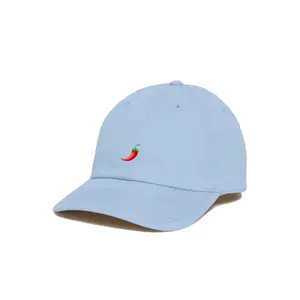
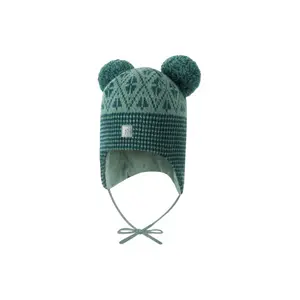
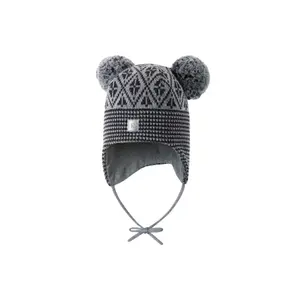
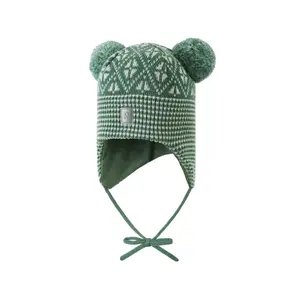
The baby hats and beanies selection from the French Days covers all kinds of weather: lined beanies from Barts, a pom-pom beanie from Guess, a knot-tie beanie from Babybugz for little ones, a rain hat from Mikk-Line for showers, and sun hats and caps. Choosing the right one comes down to head size, material and how well it stays on a head that’s always on the move.
A well-covered head, whatever the weather.
Measuring your baby’s head before choosing
Hat and cap sizes are given by head circumference in centimetres, which is more reliable than the age shown. Measure with a soft tape measure around the widest part of the head, passing over the middle of the forehead and around the back of the skull. At birth, it is around thirty-five centimetres, then grows by about ten centimetres during the first year.
If your child is between two sizes, choose the larger one: a knitted hat may shrink a little in the wash, and a bob that’s too tight rides up over the forehead. For a cap, an adjustment at the back with a hook-and-loop fastening or elastic band lets it grow with your child for several months.
Matching hats and scarves
To finish off a winter outfit, the Scarves and gloves page has mittens and neck warmers to match your baby’s hat. You’ll find all the little extras, from socks to sunglasses, on the Accessories page, so you can get everything in one order.
Winter hats: lining, ties and fit
A baby’s hat should cover the ears completely without pressing on the forehead. Fleece- or cotton jersey-lined styles, common from the Dutch brand Barts, stop wool from rubbing against delicate skin. Styles with ear flaps protect the back of the neck when your baby turns their head in the pushchair.
For little ones, ties under the chin stop the hat from slipping, but they should be kept short and removed before every nap. The Babybugz knot hat, made from soft cotton, is better suited to indoors or cool weather, when a woolly hat would be too warm.
Rain hats, bobs and caps for different weather
For rainy days, a rain hat with a wide brim, like the one from Mikk-Line, directs water away from the neck rather than into the collar. It works well with a jacket without a hood or under an oversized hood. Its coated fabric can be wiped clean in one go.
In the sun, a bob with a brim all the way round protects the face, ears and back of the neck, while a cap only covers the forehead. If your baby spends a lot of time outdoors, choose a lightweight, closely woven fabric, ideally with ultraviolet protection, and a chin strap to stop it blowing away.
Baby headwear: a seasonal highlight
Hats and caps aren’t bought at the same time of year. Black Friday and the festive season are a good time to buy lined hats, which are then cleared during the winter sales for the following year. The spring French Days and summer sales are a good time for bobs and caps, before hats come back for the new school year. New arrivals and special offers round out these events throughout the year.
Frequently asked questions
What size cap does a two-year-old need?
At around two years old, head circumference is usually about forty-eight centimetres, but there can be a big difference between children. Measure your child before ordering and choose a style that adjusts at the back, so it will fit for the months ahead.
Should a baby wear a hat indoors?
No, a full-term baby doesn’t need a hat in a normally heated room, and they should never wear one while sleeping, so they can release heat through their head. Hats are for going out in cool weather.
How can I tell if a hat is too warm for my baby?
Touch the back of their neck or upper back: if either feels damp, they’re too warm and you can take the hat off or choose a lighter one. A baby’s hands and the tip of their nose are often cool and aren’t reliable indicators.
How do I wash a baby’s rain hat or bob?
Wipe a coated rain hat with a sponge and a little soapy water, then leave it to air dry on a bowl to keep its shape. A cotton bob can go in the washing machine on a low temperature, inside out, and be reshaped while still damp.
Are baby hats on offer during the French Days?
They are when brands take part, on the styles and sizes available. The back-to-school edition offers the widest choice of winter hats, while the spring event is better suited to bobs, caps and rain hats for warmer weather.











