
Boys’ clothing for the French Days







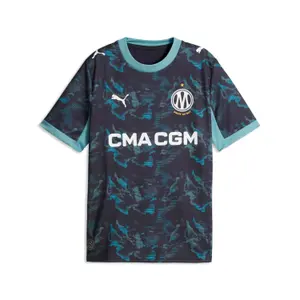


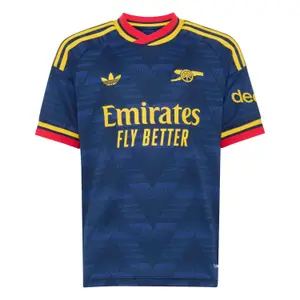




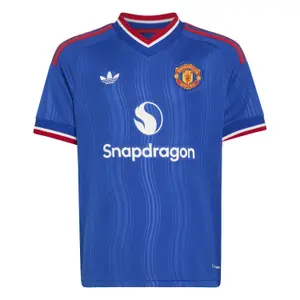
The French Days return twice a year, in spring and at the start of September, with a few days of offers from French online retailers. This selection of boys' clothes is timed around both events: Hummel T-shirts for warmer days, tracksuit jackets for sport, Peak Mountain fleeces, and Reima rain jackets and trousers for autumn.
A wardrobe that keeps up with your son as he grows.
What changes in spring and at the start of the school year
Both editions of the French Days come around when a boy’s wardrobe needs a seasonal change. In spring, short sleeves, Bermuda shorts and lightweight jackets come back out, and it’s time to sort through anything that became too short over winter. In September, going back to school calls for school clothes, PE kit and the first warm layers for chilly mornings. Before you order, try on last year’s clothes: sleeve and trouser lengths will show sooner than a label that your son has grown a size. Bear in mind that children grow in spurts, often faster in spring.
French Days clothes for boys, by type
For school and sport alike, t-shirts, polo shirts and shirts are the basis of every outfit. Sweatshirts and jumpers provide a warm layer for chilly mornings, while joggers and tracksuits are ideal for PE, clubs and weekends. Trousers and jeans complete his school wardrobe.
Age-based sizing: what the label means
A size given in years actually refers to a child’s height: in Europe, size 4 years is for a child about 104 centimetres tall, size 6 years about 116, size 8 years about 128 and size 10 years about 140 — roughly six centimetres per year. So measure your son standing barefoot with his back against a wall, rather than relying on his age. A boy who is tall for his age may need the next size up, while a slimmer child may fit the same size for a few more months. For jackets and coats, going up a size leaves room for a jumper underneath. For a t-shirt or trousers, the right size avoids dangling sleeves and hems that drag on the ground.
Three layers for autumn outings
To cope with rain and cold, it’s better to layer three garments than wear one thick item. Next to the skin, a breathable t-shirt wicks away sweat after break time. In the middle, a fleece such as the Ecypa from Peak Mountain keeps him warm and is easy to take off in class. On top, a waterproof jacket blocks the wind and rain: the Lampi from Reima, a Finnish brand founded in 1944, can be paired with Lammikko rain trousers for forest trips and school outdoor activity days. This system adapts to the day’s weather: your son can take off a layer when he gets warm instead of sweating in an overly thick coat.
Dressing your son for key moments throughout the year
A boy’s clothes are updated throughout the year. Black Friday is a chance to get warm clothes ready for winter, the festive season is a good time to give him a sweatshirt from his favourite brand, and the winter sales help fill out his wardrobe halfway through the year. The spring French Days bring out the short sleeves, while the summer sales and back-to-school season are a chance to get his school clothes ready. New arrivals show the items added to the range.
Frequently asked questions
How can I label my child’s clothes for school?
Iron-on labels take just a few seconds to apply, while sew-on woven labels hold up better to repeated washing. An indelible fabric pen on the original label is handy for clothes that will only be worn for a short time.
What temperature should boys’ clothes be washed at?
Thirty degrees is enough for most cottons and fleeces; use a stain remover on knees and collars. Wash waterproof clothes without fabric softener, as it clogs the pores in the membrane.
What does the OEKO-TEX label guarantee on children’s clothes?
The Standard 100 label certifies that the textile has been tested for harmful substances and meets set limits, which are stricter for items intended for children. It applies to the finished product, not to how it was grown or made.
How can I organise the wardrobe of a child who grows quickly?
Keep only the current size within easy reach, and store the next size up in a separate box. Twice a year, when the seasons change, sort out anything that no longer fits so you can donate it, sell it or pass it on.
How many outfits should I plan for a week of school?
Allow for five tops, three or four bottoms and two warm layers, plus a PE kit, to get between washes. Add a change of clothes if your son is at nursery, where stains and accidents are common.











