
A boy’s jacket for every kind of weather, all year round
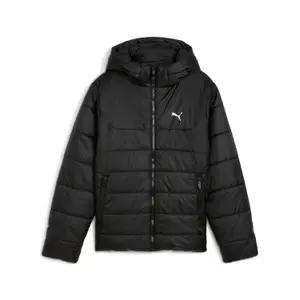



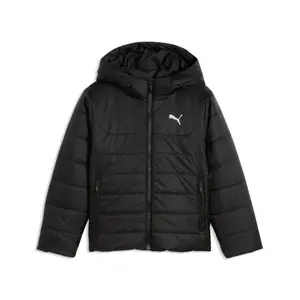
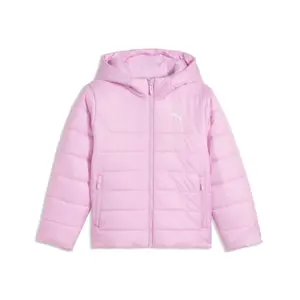


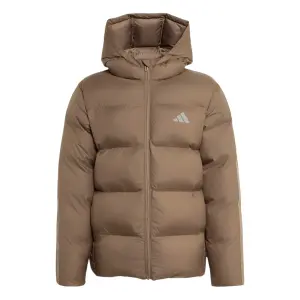


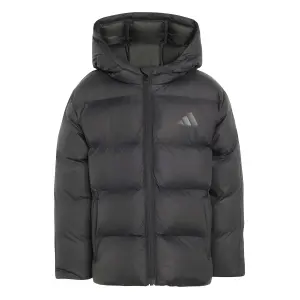


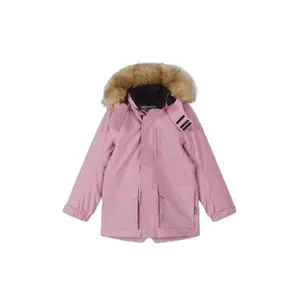


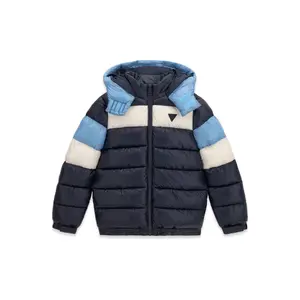
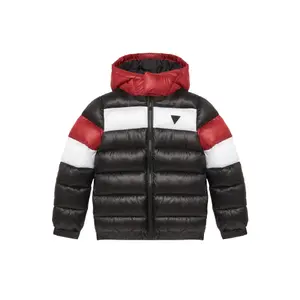
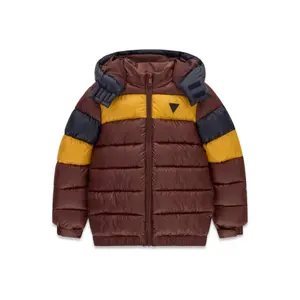
From the journey to school in a downpour to playtime in the wind, a boys’ jacket makes all the difference between a child staying warm and getting soaked. The Back To School page looks at lightweight windbreakers, hooded waterproof jackets, fleeces, bomber jackets and tracksuit jackets to see your son from the start of term through to winter.
Dry and warm, whatever the weather.
Windcheater, fleece or waterproof: a jacket for every month
Choose a jacket to suit the school calendar. In September, a zipped tracksuit jacket or a compact windcheater is enough, and can be rolled up and stored at the bottom of his bag in the afternoon. In October, the fleece takes over: lightweight, it keeps him warm even when damp and dries in a few hours. Once the rainy weather sets in, a hooded waterproof jacket becomes essential. Wear it over the fleece for warmth and protection from the rain. Finally, a padded jacket is ideal for November mornings, until it’s time for a winter coat. This layering approach means you don’t need to buy a new jacket every month.
Complete your son’s school outfit with a jacket
Under the jacket, boys’ T-shirts and polo shirts make up the first layer, while boys’ trousers complete the outfit. Boys’ shorts go well with a windcheater at the start of the school year, and boys’ caps keep the sun off on dry days.
Hoods and drawstrings: what the standard says
A hood with a drawstring can get caught in a slide or car door and cause strangulation. That’s why standard EN 14682, which applies to children’s clothing up to the age of 14, bans drawstrings on the hoods and necklines of clothes for children under seven, up to 134 cm tall. For older children, drawstrings are allowed as long as they’re short and don’t have a toggle or decorative end. A well-designed boys’ jacket tightens its hood with an integrated elastic or a hook-and-loop tab. Check this detail on a second-hand jacket.
Hydrostatic head and taped seams: how to assess a rain jacket
A jacket’s waterproofing is measured in millimetres of hydrostatic head: this figure shows how much water pressure the fabric can withstand before moisture gets through. A water-repellent jacket will keep out a shower, but will eventually get wet in prolonged rain. Taped seams, covered on the inside with heat-sealed tape, are just as important as the fabric: without them, water seeps in through the stitching at the shoulders. A hood with a peak, elasticated cuffs and a storm flap over the zip add extra protection. For the winter commute, reflective strips help motorists see your son.
Sale boys’ jackets from one season to the next
Get jackets ready before the bad weather arrives. Black Friday and the festive season are the time to shop for warm jackets and waterproofs, followed by the last sizes in the winter sales. The spring French Days bring windcheaters, while the summer sales are a chance to get ready for going back to school. Special offers and clearance add to the range, and new arrivals showcase the latest styles.
Frequently asked questions
How should I label a boy’s school jacket?
An iron-on or sew-on label with your son’s name, placed in the collar or on the lining, will withstand washing better than a marker. You can also write his name on the care label, where it will still be readable if the first label comes off.
Is a tracksuit jacket enough for autumn?
Yes, on dry, mild days, especially if your son is active at break time. As soon as the temperature drops or rain threatens, it won’t offer enough protection: layer it under a windcheater or switch to a fleece.
How can I dry a wet jacket at school?
Teach your son to hang it up open on the coat rack rather than roll it up in his bag. At home, hang it up away from a direct source of heat, which can damage the membrane in a waterproof jacket.
Does a schoolchild’s jacket need a hood?
For a child who walks to school or waits for the bus, a hood means they don’t have to think about taking an umbrella, which is easy to forget. A detachable hood can be removed on dry days.
What jacket is best for a boy who’s always hot?
A mesh-lined windcheater or a lightweight fleece will suit him better than a thick jacket. Add a layer under the jacket on cold mornings, which he can take off when he arrives, rather than dressing him too warmly for the whole day.











