
The right jacket for every school morning of the year
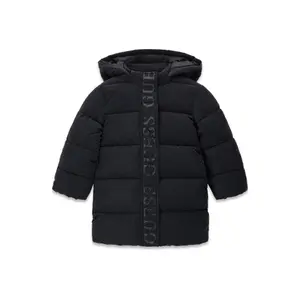
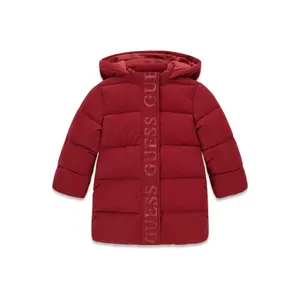
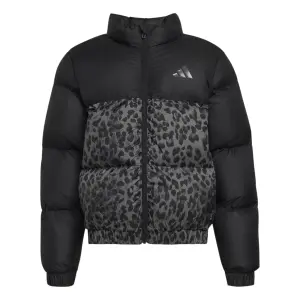


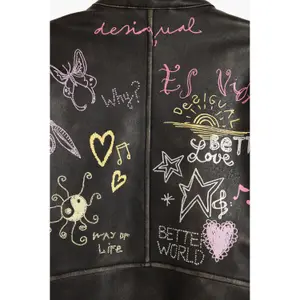
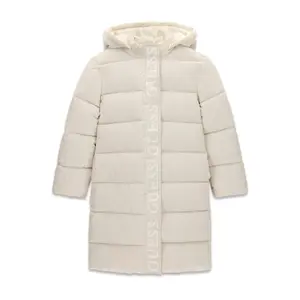
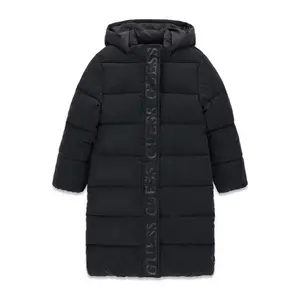


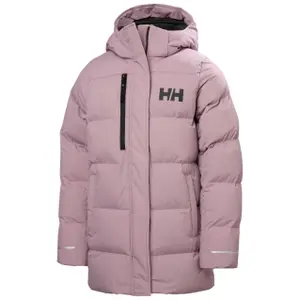

Between the September warmth and November showers, a girls’ jacket is the layer you can put on and take off as the weather changes. The Back To School page has cosy fleeces for the new school year, lightweight windbreakers to slip into her bag, waterproof jackets for rainy days and denim jackets for milder days.
A jacket for every kind of weather, to keep the journey dry.
Which jacket for a girl, from starting school to the first cold days
The choice depends on the weather during the first few months of school. In September, a denim jacket or a windbreaker is enough for cool mornings, and can be tied round the waist in the afternoon. In October, fleece takes over: this brushed polyester fabric, developed in Massachusetts in 1979, keeps you warm without weighing much and dries quickly. When the rain sets in, a hooded waterproof jacket becomes essential for playtime. Think about layering: a thin fleece under a windbreaker offers just as much protection as a thick jacket, and your daughter can take off a layer in class without being left in a T-shirt.
Other pieces for a school outfit
Under the jacket, girls' T-shirts make up the first layer, while girls' sweatshirt dresses add a cosy extra layer. For the bottom half, girls' jeans go with every jacket style, and girls' dungarees are great for days outdoors.
Drawstrings and hoods: keeping girls' jackets safe
Drawstrings on children's clothes can get caught on a slide, railings or a bus door. European standard EN 14682 therefore covers drawstrings on clothes for children up to the age of fourteen: for children under seven, that is, up to 134 cm tall, no drawstrings or functional cords are allowed on the hood or around the neck. Above that age, permitted drawstrings must be short and have no toggles. Check this when buying a jacket and on hand-me-downs, and choose hoods adjusted with elastic or a hook-and-loop tab, or ones that detach with poppers.
Waterproof, water-repellent or windproof: how to read the label
Not all jackets keep out the rain in the same way. A water-repellent fabric makes droplets bead on the surface thanks to a coating, which works well for a short shower. A waterproof jacket uses a membrane or coating, with its resistance measured in millimetres of water column: the higher the figure, the better it holds up in prolonged rain, as long as the seams are sealed. A windbreaker, meanwhile, keeps out the wind but does not guarantee waterproofing. For the morning journey, a reflective strip on the sleeves or back makes your daughter more visible to drivers.
Girls' jackets on sale all year round
Get a warm jacket ready before the cold weather arrives: Black Friday and the festive season are good times to buy fleeces and waterproof jackets. The winter sales clear out thicker styles, the spring French Days showcase mid-season windbreakers, and the summer sales are a chance to get ready for the new school year. Special offers and clearance add to the selection, while new arrivals feature the latest styles.
Frequently asked questions
How can I label my daughter's jacket so it doesn't get lost?
Sew or stick a name label inside the collar, where it will withstand washing, and add a distinctive detail, such as a keyring attached to the zip. Identical jackets are often mixed up on the classroom coat rack.
What size jacket should I get so she can wear a jumper underneath?
Choose the size that matches her height, then check that she can raise her arms without the jacket riding up above her waist, with a sweatshirt underneath. If it's tight, go up a size and turn up the sleeves at the start of the year.
How do I wash a waterproof jacket without losing its water-repellent finish?
Close the zips and wash it at thirty degrees with a mild liquid detergent, without fabric softener, which clogs the membrane's pores. A tumble-dry on a low heat, if the label allows it, reactivates the treatment.
Is it better to choose a fixed or detachable hood?
A fixed hood never gets lost and protects from the first raindrop, making it a good choice for younger children. A detachable hood, fastened with poppers or a zip, can be removed on dry days and comes away on its own if it gets caught.
How can I teach a child to put her jacket on by herself?
In nursery, children are often taught the jacket-on-the-floor trick: lay it open with the lining facing up and the collar towards their feet. They slide their arms into the sleeves and flip it over their head. A large zip pull then makes it easier to fasten.











