
Children’s trousers for back to school


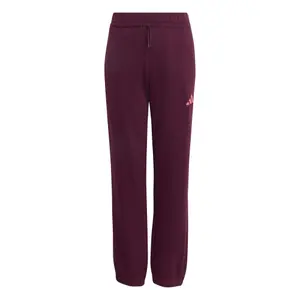

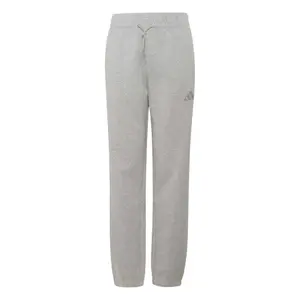


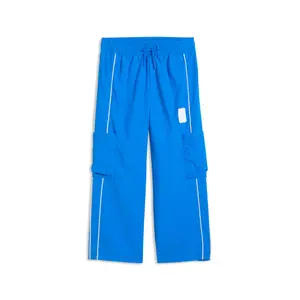


A children’s pair of trousers for the new school year needs to last through a whole term of playtime, climbing stairs and knees on the ground. This selection brings together jeans with adjustable waists, Jack & Jones cargo trousers and joggers, straight-leg American Vintage trousers and fleece styles from Guess or Sofie Schnoor, to dress girls and boys from nursery to secondary school, with cuts that keep up as they grow.
Trousers made for school and growing up.
Which trouser size to choose based on age and height
Children's trouser sizes are given by age, but they actually correspond to a height: size eight is intended for a child who is about 128 centimetres tall, size ten for 140, size twelve for 152, with each size adding around twelve centimetres. So measure your child barefoot, standing with their back against a wall, rather than relying on their age.
Leg length matters just as much as the waistband: a slim child may need the next size up for the inside leg, then an adjustable waist to avoid having too much room around the waist. On the other hand, turning up the hem by a centimetre or two lets them wear slightly long jeans until spring.
Complete their back-to-school outfit
To go with these trousers, hooded or crew-neck sweatshirts can be layered on chilly mornings, while cotton T-shirts come into their own in September. On PE days, sportswear brings tracksuits and performance kit together. The boys' and girls' collections bring together complete outfits by style, while jackets and coats keep them warm on the way to school.
Jeans, cargos or joggers: which fit is best for school?
- Jeans made from cotton denim, often with a little elastane, stand up to scrapes in the playground and get softer with every wash.
- Chinos, made from lighter cotton twill, are a smarter option for class photos or school trips.
- Cargo trousers, such as the Paul by Jack & Jones, have plenty of bellows pockets for marbles, cards and other playground treasures.
- Joggers in fleece or jersey are ideal for PE days: the straight-leg fit of the Padow by American Vintage looks smart, while the Scuba by Guess takes its shape from one of the brand's women's styles for a matching look.
Elasticated waists and adjustable buttons: getting the right fit
Most children's trousers have an adjustable elastic waistband hidden inside: pull the elastic through and fasten it to a button further along to tighten the waist by several centimetres, without sewing or using a belt. Check for this feature on jeans, as it lets you buy a size up without the trousers slipping down.
For younger children, a fully elasticated or drawstring waist is the simplest option: at nursery, children need to be able to pull their trousers down and up by themselves when using the toilet, without buttons or a zip. Buttons and flies become easy to manage at around six or seven.
Children's trousers at great prices, from Black Friday to back to school
Between worn-out knees and growing centimetres, trousers need replacing often, so it pays to look out for the best times to shop. Black Friday is a good time to get winter jeans ahead of time, while Christmas is a chance to put matching joggers under the tree. Then the winter sales are a good time to buy the next size up after a growth spurt. The spring French Days and summer sales help you get ready for the next school year, when end-of-line styles join the outlet. All year round, the great deals page features discounted trousers, and the new arrivals page showcases the latest styles added to the range.
Frequently asked questions
How should I wash children's jeans to keep their colour?
Turn them inside out, fasten the buttons and zip, then wash at 30 degrees with similar colours. Let them air-dry rather than tumble-drying them, as the dryer can shrink the cotton and wear out the elastane over time.
How many pairs of trousers should I buy for the new school year?
Allow enough for a week of school between washes: four or five pairs, including at least one pair of joggers for PE. At nursery, pack a spare pair of trousers in their bag, as accidents and paint stains are common.
How can I mend a hole in the knee of children's trousers?
An iron-on patch applied inside with a hot iron will cover a small hole in a few minutes; a velvet or denim knee patch sewn on the outside will reinforce the area for longer. Mend it as soon as it starts to wear, before the tear gets bigger.
Should children's trousers have a high or low waist?
A mid-rise waist is the most comfortable option for a child: it covers the lower back when they squat or sit on the floor. Pre-teen girls often prefer high-rise styles, which they wear with a cropped top.
How should I fold and store children's trousers?
Fold the trousers in half lengthways, with the legs together, then fold them into thirds. Stored upright in a drawer, they stay visible so children can choose their own outfit. Jeans can also be hung by the waistband on a clip hanger.











