
Sneakers Puma for kids, the big cat at playtime
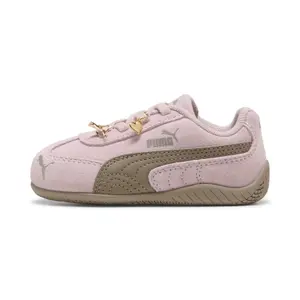
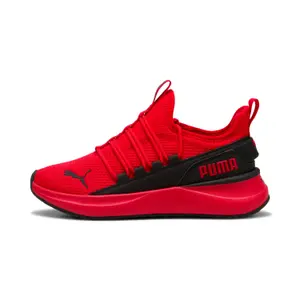
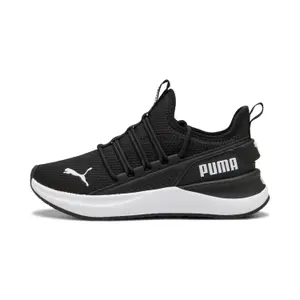
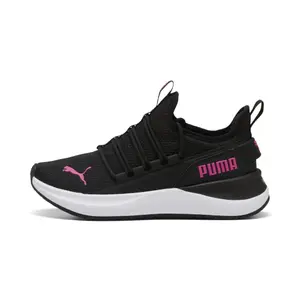

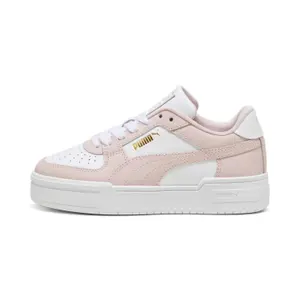


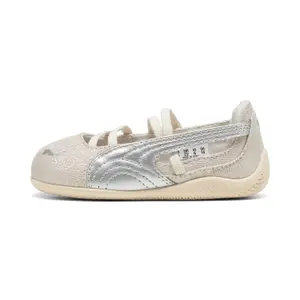
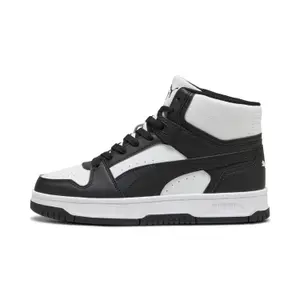
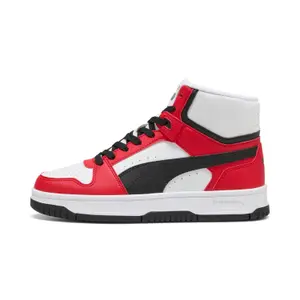
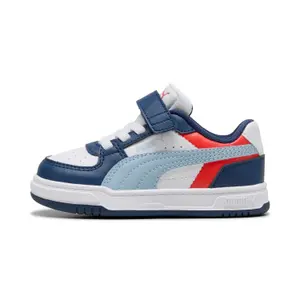
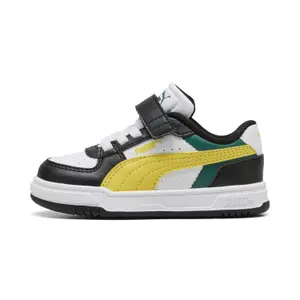
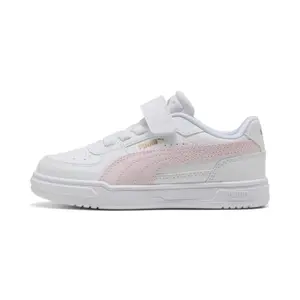


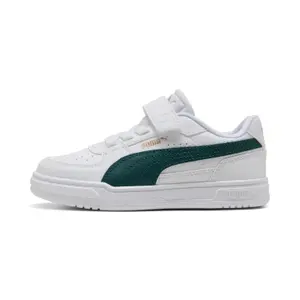


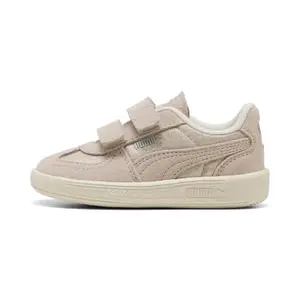
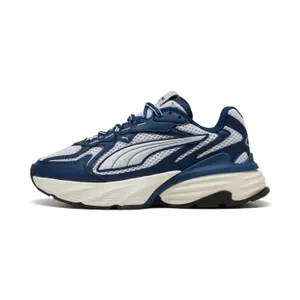
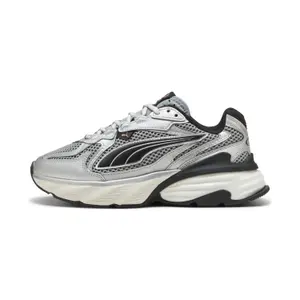
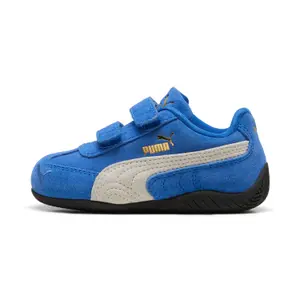
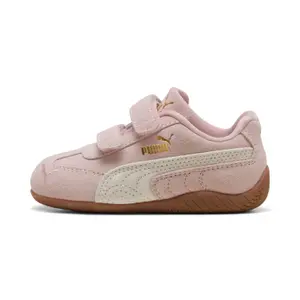
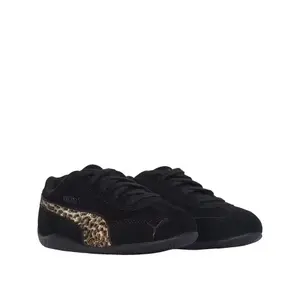
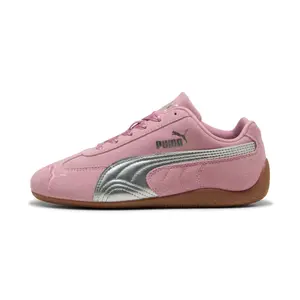
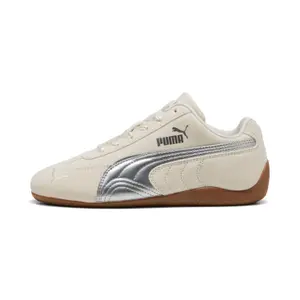
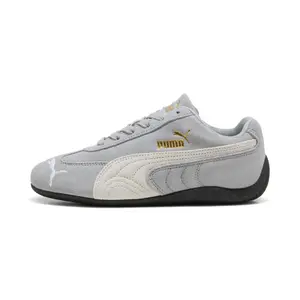
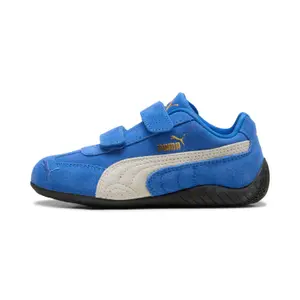


Puma children’s trainers carry on the legacy of a brand founded in 1948 in Herzogenaurach by Rudolf Dassler. They include the Suede, an iconic suede style first launched in 1968, the tennis-inspired Smash and the Carina with its raised sole, available in baby, children’s and junior sizes, with hook-and-loop fastenings, elastic laces or traditional laces depending on age.
Sporting classics in children’s sizes.
Inf, PS or Jr: making sense of the sizes Puma
Puma identifies its children’s sizes with a suffix added to the model name. Inf, short for infant, refers to smaller sizes for babies and toddlers taking their first steps; PS, short for preschool, covers nursery and the first years of primary school; Jr, short for junior, covers larger sizes for primary and secondary school pupils, up to adult sizes.
On smaller sizes, the letter V indicates a hook-and-loop fastening, while AC, short for alternative closure, means elastic laces paired with a strap. These details help you choose a pair your child can put on by themselves in the morning.
Other sneaker brands for the new school year
For comparison, adidas offers its classics Samba, Gazelle and Superstar in children’s sizes, Geox its breathable-sole styles, Victoria the canvas shoes and trainers from a Spanish brand founded in 1915, and MOD 8 its French-inspired streetwear sneakers.
How do Puma sneakers for children fit?
Puma sneakers for children generally have a standard fit: choose the size that matches the foot length measured at the end of the day, with about one centimetre of extra room. Suede styles feel a little stiffer at first, but soften after a few days; for a wide foot, a hook-and-loop style that adjusts to the width is the most comfortable option.
Try the pair on with the socks your child wears to school and watch them walk: the heel shouldn’t slip out of the shoe with every step, and the toes should be able to move. A sole that bends easily at the front supports the natural roll of the foot better than a stiff sole.
From the 1968 Suede to the Smash: the story of the feline
In January 1948, Rudolf Dassler registered his sports shoe factory in Herzogenaurach, Bavaria, initially under the name RUDA, before registering the Puma brand on 1 October of the same year. The curved side stripe, called the Formstrip, appeared in the late 1950s and became a signature feature of its shoes.
The Suede launched in 1968 and quickly made its mark both on the court and in the street. In the early 1970s, a version made for New York basketball player Walt Frazier, nicknamed Clyde, turned it into an icon. The more recent Smash takes its clean silhouette from tennis shoes.
Puma for children at reduced prices, from the festive season to the summer sales
Puma classics return in new colours, while previous ones are marked down throughout the year. Black Friday kicks off the gift-buying season, the festive period is a good time to choose a Suede in your child’s favourite colour, and the winter sales are a chance to buy the next size up. After the spring French Days, the summer sales get you ready for the new school year; single sizes are added to the clearance section, and new colours appear among the new arrivals.
Frequently asked questions
How do you clean children’s Puma Suede shoes?
Brush the suede dry with a special brush, always in the same direction, and remove marks with a suede eraser. Avoid soaking them or putting them in the washing machine; applying a waterproofing spray to a new pair helps prevent rain from leaving watermarks.
How can you stop the heel slipping out of the shoe?
Tighten the strap or laces, starting with the top eyelets around the ankle. If the heel still slips, the size is probably too big: an extra insole may help, but it’s no substitute for the right size.
Is the Carina suitable for young girls?
The Carina, with its slightly raised sole, comes in PS and Jr sizes and appeals to girls who want the same pair as an older sister. Its thicker sole is suitable for children who walk confidently rather than those taking their very first steps.
How often should you go up a shoe size?
Check the size every three months before the age of three, then every four to six months until the start of secondary school. A child who complains, often takes their shoes off or has red marks on their toes is showing that it’s time to move up a size.
Which Puma shoes are best for a three-year-old?
At this age, choose an Inf or PS size with a hook-and-loop fastening or elastic laces that your child can put on by themselves, and a flexible sole. The Smash or Suede with a strap is a good choice for the first years of nursery.











