
Children’s trainers for a well-shod start to the school year


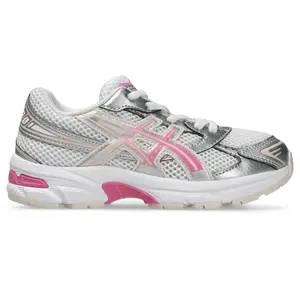

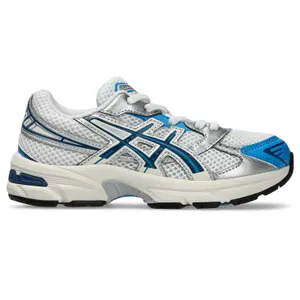

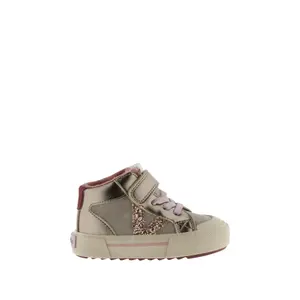
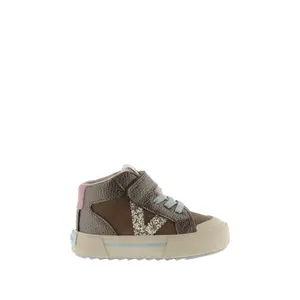


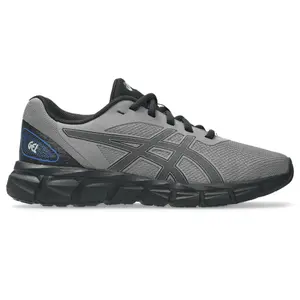


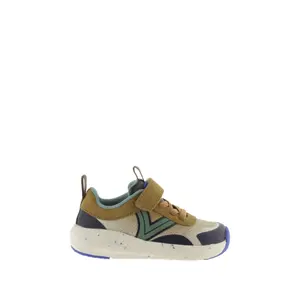
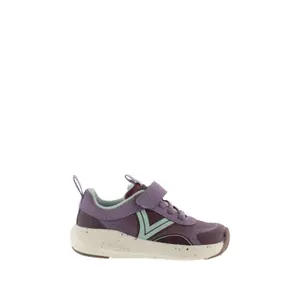
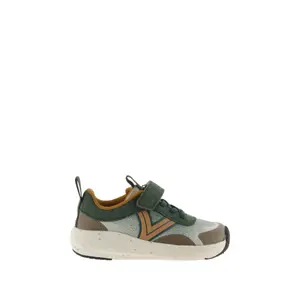
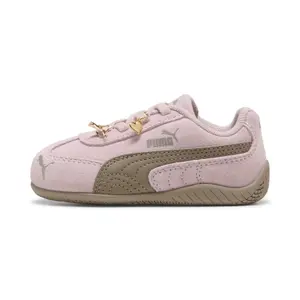


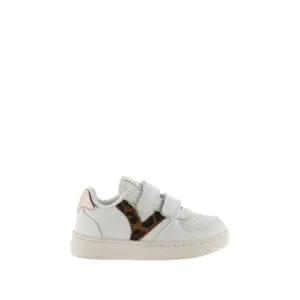


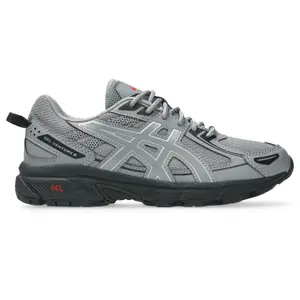
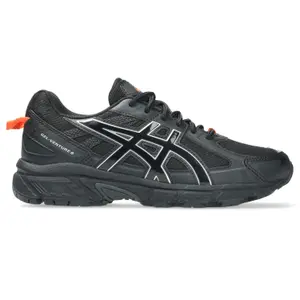
A children’s trainer for the new school year needs to stand up to hours of playtime, running and hopscotch. This selection brings together running styles from Asics, Spanish canvas trainers from Victoria, British classics from Gola, flexible soles from Skechers and trainers from Puma, with hook-and-loop fastenings for younger children or laces for more independent schoolchildren.
Trainers that keep up with the playground.
What shoe size should you choose to keep up with growing feet?
A child’s feet grow quickly: up to the age of three, they grow by about one shoe size every three or four months, then one every four to six months until the age of six, before growth slows down. Measure their feet at the end of the day, with their heel against a wall, and leave a gap of about one centimetre in front of the big toe.
A shoe that’s too big isn’t a good idea: your child may trip and their foot will slide around inside. Check their size every three months when they’re little, and measure both feet, which are rarely the same size: use the longer foot to choose their shoe size.
Choose their trainers by brand
The three-stripe icons can be found at adidas, from the Samba to the Superstar in children’s sizes, while Puma offers its classics with hook-and-loop fastenings or laces. Geox brings together styles with patented breathable soles, Victoria offers Spanish canvas shoes and trainers, and MOD 8 has trainers from a French brand specialising in children’s footwear.
Hook-and-loop or laces: which fastening is right for their age?
Before the age of six, most children can’t yet tie their laces by themselves. Hook-and-loop fastenings let them put their shoes on without help, which is useful at nursery, where teachers can’t retie everyone’s shoes. Elastic laces paired with a strap offer the same convenience, with the look of a lace-up shoe.
At around six or seven, children learn to tie their laces and can switch to standard laces, which hold the foot more securely when running. At Asics, the labels PS, for pre-school, and GS, for grade school, distinguish sizes for little ones and schoolchildren, with fastenings suited to each age.
Asics, Gola, Victoria: what sets each brand apart?
- Asics, founded in Kobe in 1949 by Kihachiro Onitsuka, brings the cushioning of its running shoes to its children’s styles, such as the Gel-Quantum Lyte.
- Gola, founded in Leicester in 1905 as a football boot manufacturer, gets its name from an anagram of goal; its Viper and Hawk styles take inspiration from classic sports shoes.
- Victoria, a Spanish brand founded in 1915, offers children colourful canvas shoes and the Tribu style, with one version featuring a strap and elastic fastening.
- Skechers, a Californian brand, focuses on flexible, lightweight soles for busy days.
Affordable back-to-school trainers all year round
As children’s feet change size several times a year, it’s worth keeping an eye on key shopping periods. Black Friday and the festive season are a chance to buy the pair they’ve had their eye on, while the winter sales are a good time to buy the next size up in the middle of the school year. The spring French Days and summer sales help you get ready for the new school year, when end-of-line sizes go into clearance and the new arrivals reveal the latest colours.
Frequently asked questions
What shoes should children wear for sport at school?
For PE, choose a pair with a light-coloured or non-marking sole if the class takes place in a sports hall, and good heel support for running and jumping. Many schools ask children to bring a separate pair in a bag to avoid marking the floor.
What shoes are best for a child with wide feet?
Choose a style with a rounded toe and adjustable fastening, such as hook-and-loop or laces, so you can adjust the width. Get them to try the shoes on at the end of the day and check that their toes can move freely. Soft materials such as canvas or mesh fit wide feet better than stiff leather.
At what age can a child wear trainers?
Once they’re walking confidently, lightweight, flexible trainers are suitable. Before then, first walking shoes with very flexible soles let their feet move naturally. The sole should bend easily at the front, around the toes.
How do you wash children’s trainers?
Remove the laces and insoles, brush off dried mud, then clean with warm, soapy water and a soft brush. Canvas shoes can sometimes go on a delicate cycle in a laundry bag, but never put leather or suede shoes in the washing machine. Leave them to dry away from a radiator, stuffed with newspaper.
How many pairs of trainers should you get for the new school year?
Two pairs are often enough: one for school and one for sport or rainy days, giving each pair time to dry. Taking turns wearing them helps them last longer and keeps smells at bay, especially when your child runs around all day.











