
Sweatshirts Hummel for sporty kids


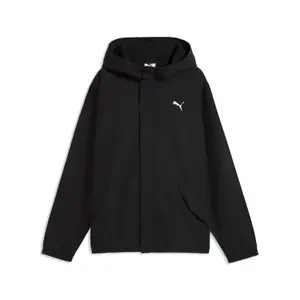
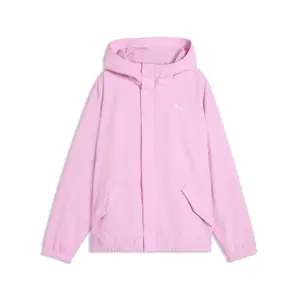


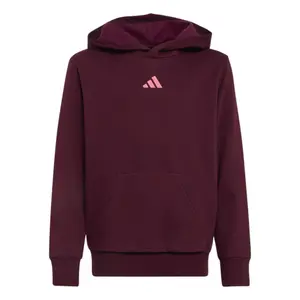




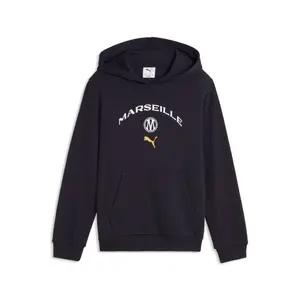
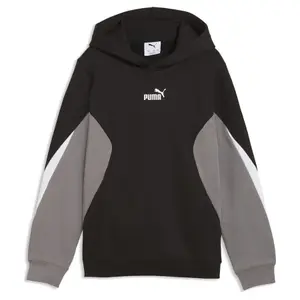
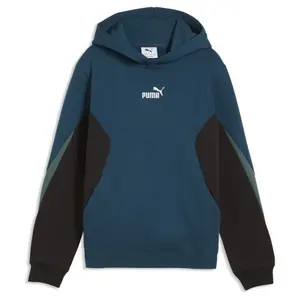


Hummel sweatshirts for children feature les deux chevrons, the emblem of a brand founded in Hamburg in 1923 and now based in Aarhus, Denmark. Its nom means bumblebee in German, hence the insect featured in its logos. With a long history in football and handball behind them, these sweatshirts are just as suitable for the classroom as they are before training.
Danish chevrons for the new school year.
The chevrons and the bumblebee, emblems of Hummel
The chevrons are Hummel’s signature: V-shaped stripes running along the sleeves or shoulders. First seen on sports kits, they were worn by the Denmark team that won the European Football Championship in 1992, in shirts that have since become iconic. The bumblebee, the German word for hummel, is used as the logo and appears embroidered on the chest of many styles.
The brand became Danish after starting out in Hamburg. Since 1999, it has belonged to the Thornico Group, owned by Christian and Thor Stadil, who have made the motto Change the World Through Sport their guiding principle: sport as a way to bring children together, both on the pitch and in the playground.
Other sweatshirt brands for school
The back-to-school selection includes other brands too. adidas sweatshirts feature the three stripes and trefoil logo on sporty cuts; Converse styles feature the star and the patch from its famous high-top trainers. Jack & Jones, another Danish brand, has an urban style for boys, while Name it caters for children from birth through to their teens.
A sweatshirt designed for handball and football
Hummel has a strong presence in handball, kitting out clubs and national teams. Its children’s sweatshirts carry the same spirit: a cut that leaves the arms free to move, ribbed cuffs that stay in place and fleece that’s soft enough to wear while warming up before a match or a session at the sports hall.
Hooded styles with a full zip make a great pre-match outfit: put one on over a shirt when you arrive, take it off to play, then put it back on while you’re on the bench. For school, crew-neck styles in more neutral colours bridge the gap between the club changing room and the classroom, so there’s no need to change between the two.
What size Hummel sweatshirt should you choose for your child?
Hummel gives children’s sizes in height in centimetres, using the European scale: 116 for five- to six-year-olds, 128 for seven- to eight-year-olds, 140 for nine- to ten-year-olds, 152 for eleven- to twelve-year-olds and 164 for thirteen- to fourteen-year-olds. These ages are only a guide; your child’s actual height, measured barefoot, is the best way to choose.
If your child wears their sweatshirt over a shirt or a thick T-shirt, or is growing quickly, choose the next size up: the sleeves will still cover their wrists by the end of the year. For sport, though, it’s best to avoid a sweatshirt that’s too big, as it can get in the way when throwing.
Key times to shop for a Hummel sweatshirt
There are plenty of chances to kit out your child outside the back-to-school season. Black Friday falls in the middle of the handball season, while the festive season is a great time to find gifts for young sports fans. The winter sales, spring French Days and summer sales are good times to get ready for training to start again. Clearance and new arrivals are available all year round.
Frequently asked questions
Does Hummel make sweatshirts for babies?
Yes, the brand offers sweatshirts and sets in baby sizes, with the same chevrons as its older children’s styles. For little ones, choose a zipped style that’s easy to put on without going over the head and makes changing simpler.
How do you wash a Hummel sweatshirt with printed chevrons?
Turn the sweatshirt inside out, wash it at 30 degrees and avoid tumble drying, as this can crack the printed designs over time. Fold it rather than hanging it up: the shoulders of a fleece sweatshirt can lose their shape on a thin hanger.
Which Hummel sweatshirt should you give a young handball player?
A zipped sweatshirt with chevrons or a warm-up jacket in their club colours will delight any handball player. Check the size against the child’s height, and go for a dark colour, which is better at hiding resin marks.
Are Hummel sweatshirts unisex?
Many children’s styles are unisex, with straight cuts and colours that suit everyone. Some styles for girls come in softer colours or feature prints, while still keeping the chevrons that make the brand recognisable.
How should you layer a Hummel sweatshirt in winter?
Wear it over a long-sleeved cotton T-shirt and under a parka or a gilet on cold mornings. This way, your child can take off a layer in class without getting cold in the playground.











