
Shoes for boys to slip under the Christmas tree


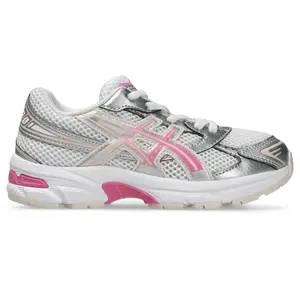

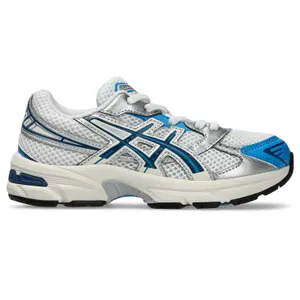


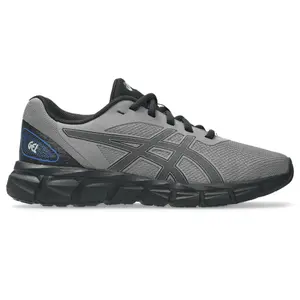


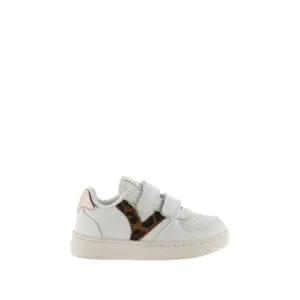


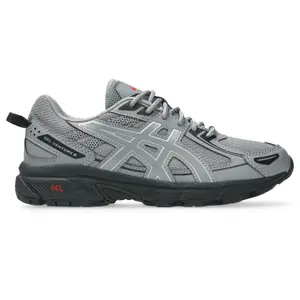
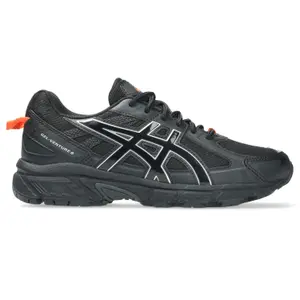


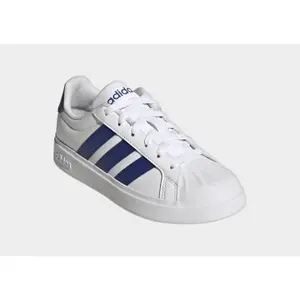
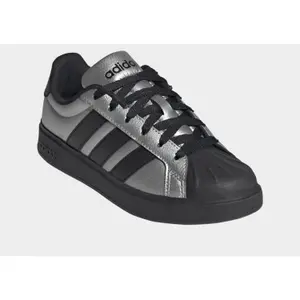

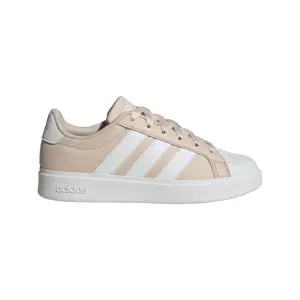


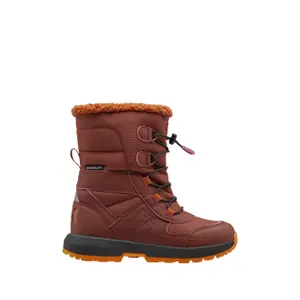

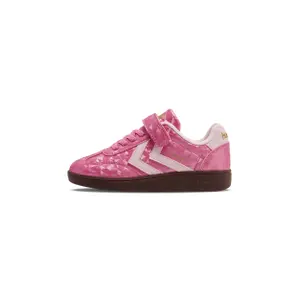
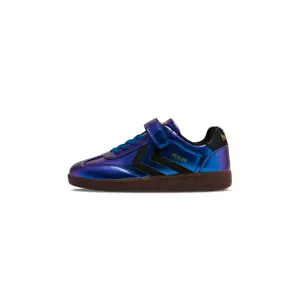


Sneakids’ Christmas Shop sorts festive gift ideas by child and product type. For boys’ shoes, the range includes sports and casual trainers from Asics, Gola, Skechers and Victoria, as well as boots made for winter, from Reima wellies to waterproof boots for snowy days, for everyone from little primary school pupils to secondary school pupils.
The right size, a gift they can wear.
What shoe size should you give if they can’t try them on?
When giving a pair without trying them on, start with the length of the foot rather than the last size they bought: have the child stand in socks on a sheet of paper placed against a wall, mark the heel and longest toe, then measure the distance between them. Add about a centimetre of room, which is what toes need to spread out with every step.
Children’s feet grow in spurts, often faster than you might expect before the age of six. If the measurement falls between two sizes, go for the next size up for a winter boot worn with thick socks, and the exact size for a sports trainer, where a foot that moves around is more likely to twist. The guide on each product page is the best reference, as styles vary from one brand to another.
Complete the present with an item of clothing or an accessory
A pair of shoes is rarely given on its own. The boys’ clothing section of the Christmas Shop makes it easy to put together a full winter outfit to go with the trainers or boots you’ve chosen. The boys’ accessories section brings together little extras to finish off a present or make a small gift for a cousin or godson.
Wellies and winter boots: keeping feet dry
In December, the priority is keeping feet dry and warm. Reima wellies, from the Finnish brand founded in 1944 and long dedicated to children’s outdoor wear, are made for puddles in the playground and trips to the woods alike; the Ankka is available in a barefoot version, with a thin, flexible sole that lets the foot move naturally. For snow and dry cold, winter boots marked Reimatec, the brand’s waterproof label, such as the Reimatec Quicker, keep moisture out.
Also check the height of the boot shaft: the higher it comes, the better it keeps snow out, but the more important it is to have an easy fastening so your child can put the boots on by themselves. A treaded sole gives better grip on slippery pavements.
Sports trainers or everyday trainers: which to choose for a boy?
For a boy who runs around all break, cushioned sports trainers are a great choice. Asics children’s styles use GEL technology, silicone-based cushioning introduced by the Japanese brand in 1986, as seen in the Gel-Quantum Lyte and its running-inspired look. Skechers, founded in California in 1992, goes for chunky soles and practical fastenings, as in the Adventure Track, with its treaded sole for trails.
For town and school, retro trainers are popular: Gola, the English brand founded in 1905, offers styles inspired by its archives, such as the Harrier and Hawk, while Spanish brand Victoria, founded in 1915, sticks with canvas and vulcanised soles in its range named after the year it was founded.
From Black Friday to the new school year: the boys’ shoe calendar
Black Friday comes a few weeks before the festive season: it’s a good time to get the Christmas pair while there’s still a wide choice of sizes. After Christmas, the winter sales are a chance to plan ahead for the next size up, followed by the French Days in spring and the summer sales, when lightweight trainers come into their own, before the new school year and its school shoes. Special offers and clearance deals round out the range all year round.
Frequently asked questions
What shoes should I choose for a toddler who has only recently started walking?
Choose a flexible sole that bends at the front of the foot, a shoe that holds the heel without squeezing the ankle, and an easy-to-adjust hook-and-loop fastening. There should be about a centimetre of room in front of the toes.
How often should you change a child’s shoe size?
Before the age of three, a child’s feet can grow by a shoe size in just a few months; growth then slows, and school-age children often change size once or twice a year. Check the foot length at the start of each season by pressing the front of the shoe.
Laces or hook-and-loop fastenings for a primary school boy?
Hook-and-loop fastenings save time in the morning and for PE, and are practical until a child can tie their own laces, usually around the age of five or six. Laces give a better fit for narrow feet, while elastic laces offer a good compromise.
How can you dry soaking wet boots without damaging them?
Remove the insoles if they come out, stuff the boots with newspaper and leave them to dry at room temperature, away from the radiator. Direct heat hardens the rubber and can loosen the seams or damage the membrane.
Do lined boots need special socks?
Wool or technical-fibre socks keep feet warm even when damp, while cotton holds on to sweat and makes feet cold. Avoid wearing two pairs of socks: tight feet have poorer circulation and get cold more quickly.











