
Board games to give as gifts, from little ones to family game nights







A board game teaches you to wait your turn, lose without sulking and think before you play, while bringing the family together away from screens. This Christmas selection covers all ages: first games from age three, nature challenge cards from Bioviva for schoolchildren, classics such as Mille Bornes and draughts, then strategy games such as Ticket to Ride, Abalone or Risk Legacy.
One last game before bed?
Which board game for a child aged three to five?
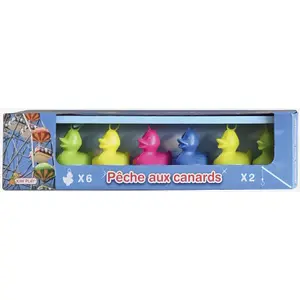
Before the age of five, children enjoy games more when everyone wins or loses together: co-operative games avoid tears and teach them to help each other. From the age of three, Mon premier Mille Bornes by Dujardin, here featuring Paw Patrol, turns the classic game into a simplified race, while Kim'Play's duck fishing game helps develop dexterity and hand-eye coordination.
Choose short games lasting ten to fifteen minutes, with rules that fit into two sentences and sturdy pieces that little hands can handle easily. Finally, check the age shown on the box: it takes into account the size of the counters and cards, not just how difficult the rules are.
Other toys to put under the tree
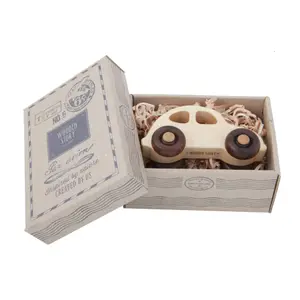
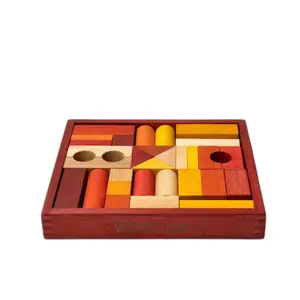
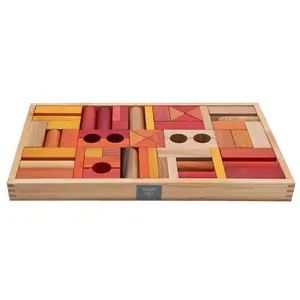
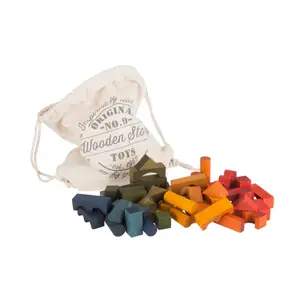
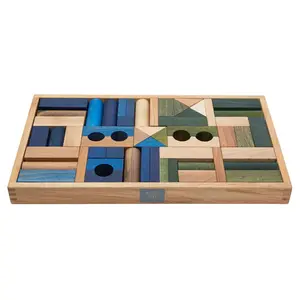
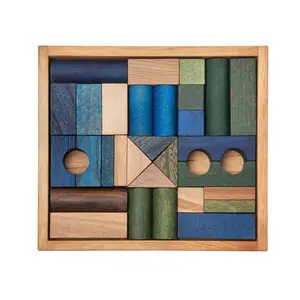
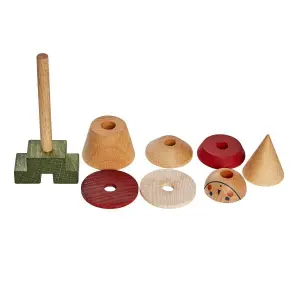
Board games aren't the only gifts that bring people together. Construction toys keep everyone busy building together on rainy afternoons, and figurines appeal both to children who make up their own stories and to teenage collectors. Soft toys and dolls are suitable for younger children, fancy dress costumes for fans of impromptu performances, and cars and tracks for racing enthusiasts.
Défis nature, Mille Bornes, Story Cubes: games for school-age children
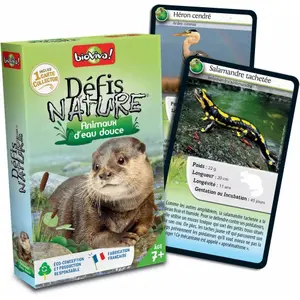
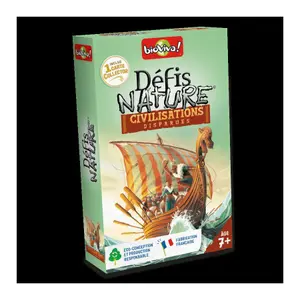
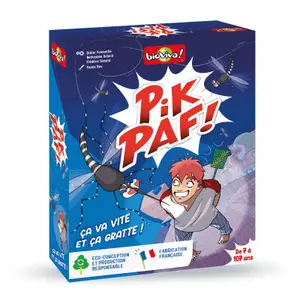
At primary school, children read, count and remember more complex rules. The Défis nature cards by Bioviva, a publisher founded in Montpellier in 1996, pit animals against one another based on their size, weight or lifespan, teaching children about wildlife as they play. Each box explores a different theme, such as horses, freshwater animals or lost civilisations. Mille Bornes, invented in 1954 by Edmond Dujardin, remains an excellent way to practise mental arithmetic, and is also available here in a Mario Kart version.
Story Cubes, created by Irishman Rory O'Connor and released in 2005, are illustrated dice that players roll to make up a story beginning with ‘Once upon a time’: a game with no losers, ideal for building vocabulary and imagination.
Strategy and classics for games between teenagers and parents
From the age of ten, strategy games put parents and children on an equal footing. Ticket to Ride, designed by Alan R. Moon and published by Days of Wonder in 2004, won the Spiel des Jahres, Germany's top board game award, that same year. Its Asia expansion takes the trains to a new continent. Abalone, invented in France in 1987, takes just two minutes to learn: the aim is to push six of your opponent's marbles off a hexagonal board.
Risk Legacy by Hasbro, released in 2011, introduced the idea of the legacy game: players permanently change the board and cards from one game to the next. For a lighter evening, Potion Explosion, published in France by IELLO, has players picking ingredient marbles to make potions.
Board games for Black Friday, the sales and all year round
A family game collection grows over time. Black Friday is a chance to get ready for the festive season, then the winter sales are a good time to add an expansion to your favourite Christmas game. The spring French Days, summer sales and back-to-school season follow. In between, keep an eye on the latest releases, great deals and clearance offers.
Frequently asked questions
How should I store children's board games?
Store boxes upright, like books, so you can take one out without knocking over the pile, and keep cards and counters together in small resealable bags. Put games for little ones within their reach and those with small pieces up high.
How long should a game last with a six-year-old?
Twenty to thirty minutes is a good length for a six-year-old: after that, their attention starts to wander and the game can become a chore. If your child wants to play again, try two short games rather than one long one.
Should you let your child win at board games?
Letting them win every time stops them learning how to lose, a skill that games are particularly good for practising. Instead, adjust the difficulty with a handicap for the adult or a simplified version, so victory is still possible and earned.
At what age can a child understand the rules of a game?
At around three, a child can follow a simple rule, such as rolling a die and moving that many spaces. At around five or six, they can handle more abstract rules and start to come up with a simple strategy to win.
Which game is good for a parent and child to play together?
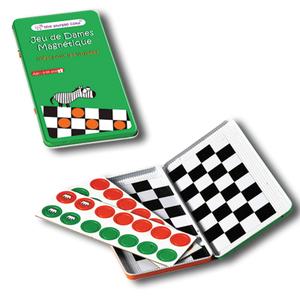
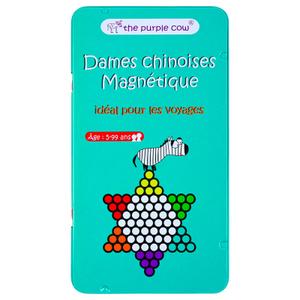
Two-player games such as draughts, chess or Abalone are perfect for one-to-one play. Oberthur's travel draughts and Chinese checkers sets are compact and easy to take on holiday or to the grandparents' house.













