
Building toys, from first blocks to kits

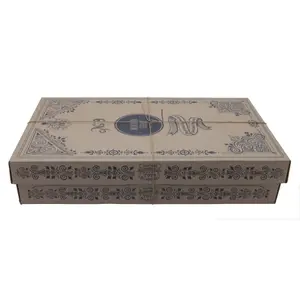
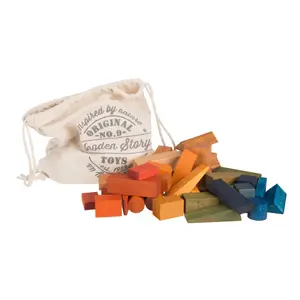
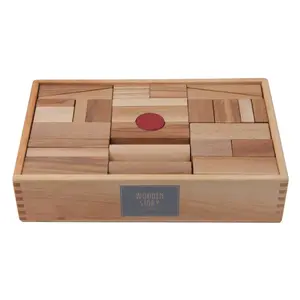

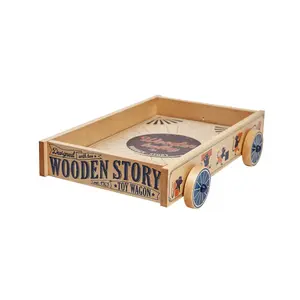
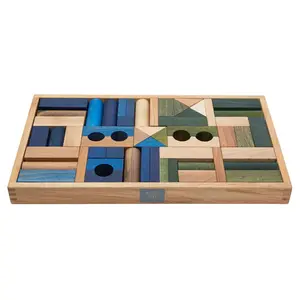
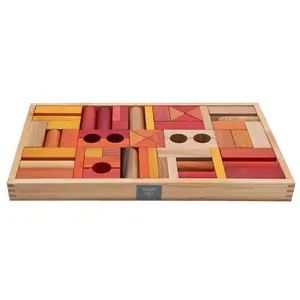
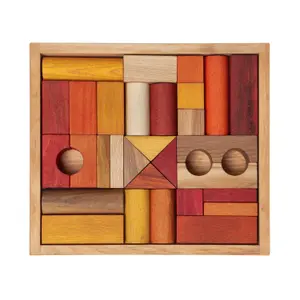
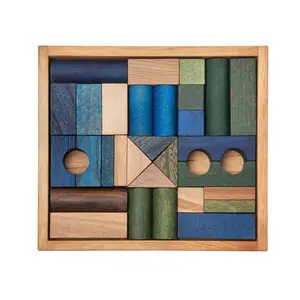
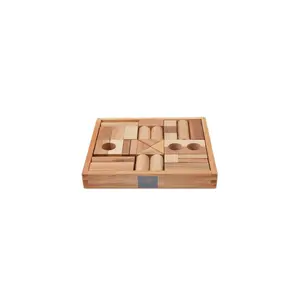
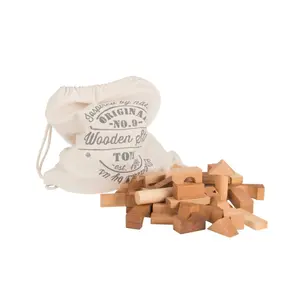
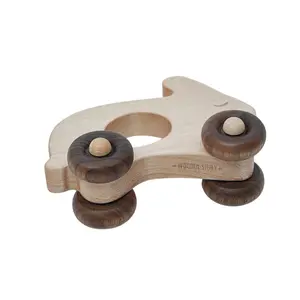
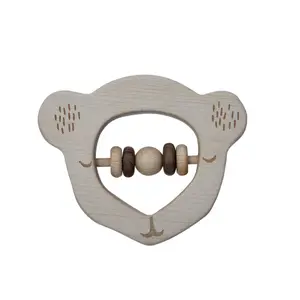
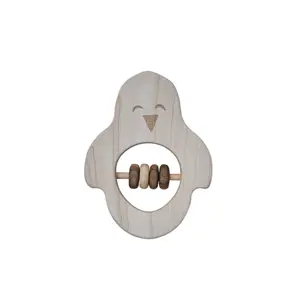
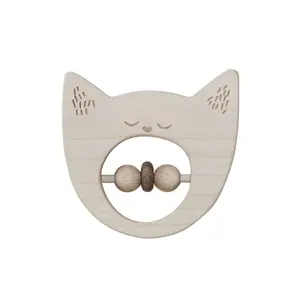
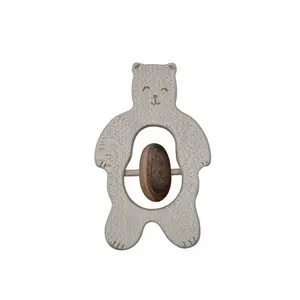
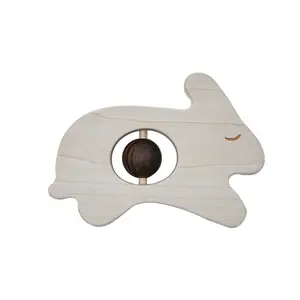
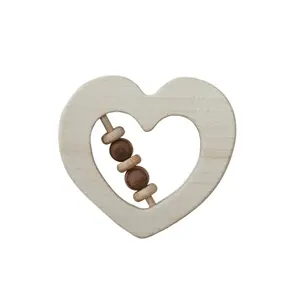
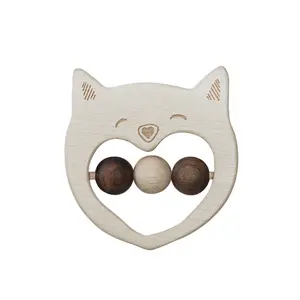
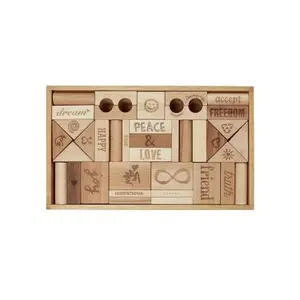
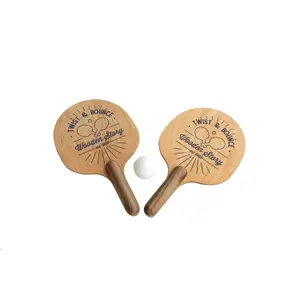
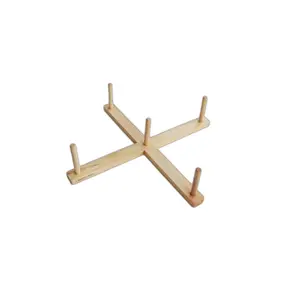
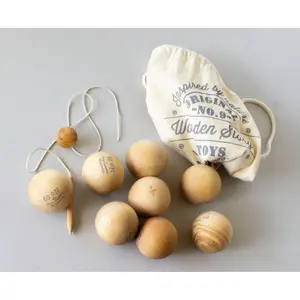
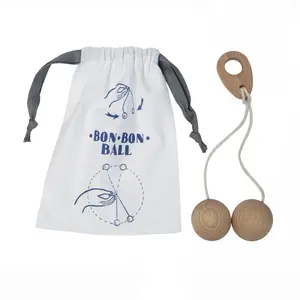
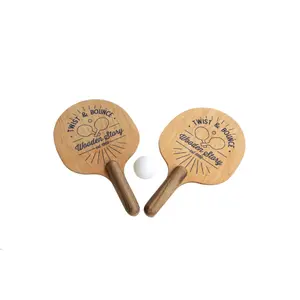
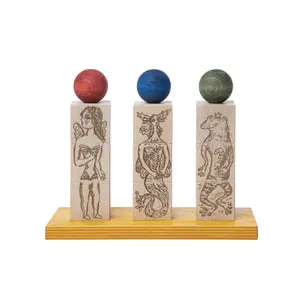
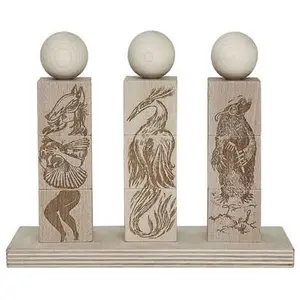
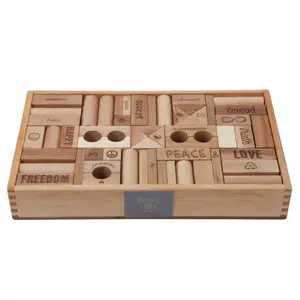
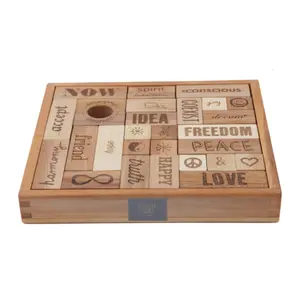
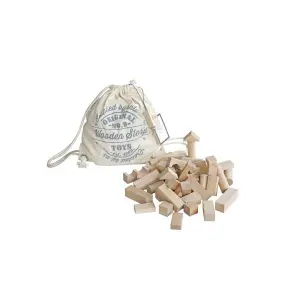
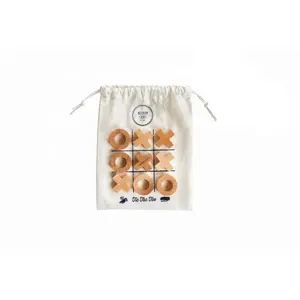
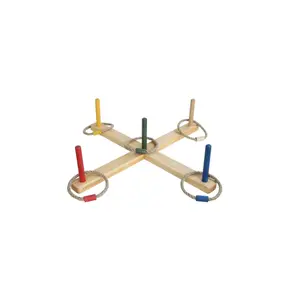
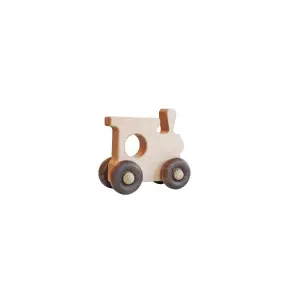
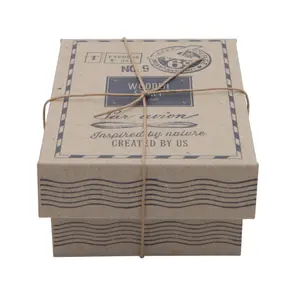
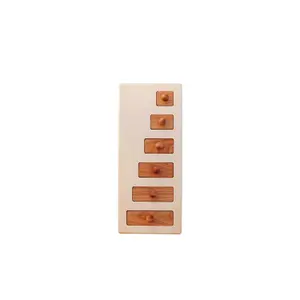
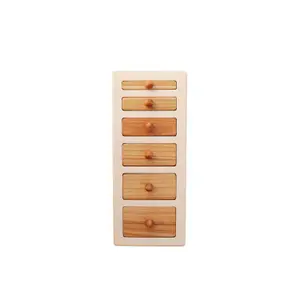
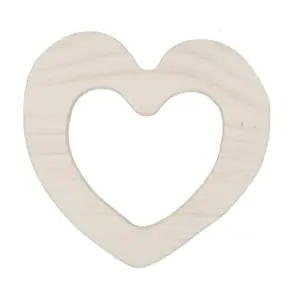
Stacking, balancing, building: construction toys develop fine motor skills, patience and spatial awareness, from the first tower that topples to the mechanical arm that lifts a load. This Christmas selection ranges from natural wooden blocks by Wooden Story to Stapelstein stacking stones, as well as the Kidsglobe farm and hydraulic kits for older children to build.
Build it, knock it down, then start all over again.
Which construction toy should you choose for your child’s age?
- At around eighteen months, children stack a few cubes and mainly enjoy knocking the tower down: large wooden blocks with smooth edges and a stacking ring toy are more than enough.
- Between two and four years, blocks in different shapes, such as arches, cylinders and triangles, let children build bridges, houses and animal pens.
- From five to seven, model kits and balancing games introduce the ideas of plans and stability.
- From eight years onwards, buildable mechanical kits with gears or pistons turn construction into a little physics lesson.
More toy ideas in the Christmas shop
Once the construction is finished, it’s time to populate it and bring it to life. Figures provide the residents of the castle or farm, while cars and tracks race along the roads your child has laid out. For pretend play, soft toys and dolls and fancy dress costumes take over, while board games bring young and old together around the table.
Wooden Story and Kidsglobe wooden blocks: the joy of free play
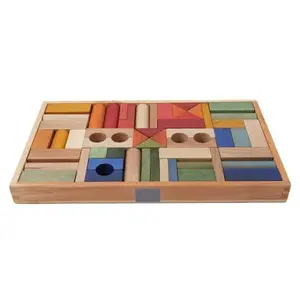
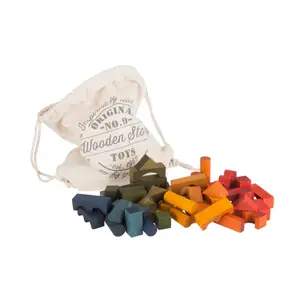
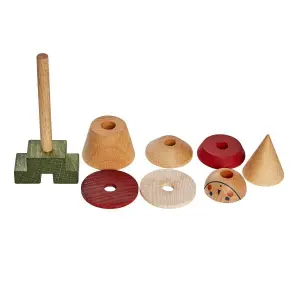
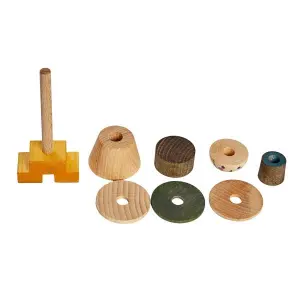
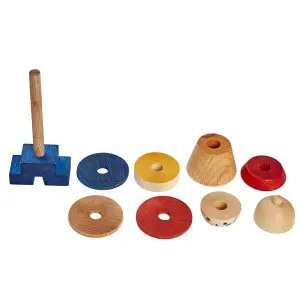
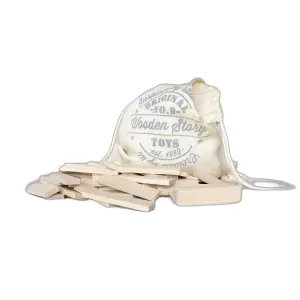
Founded in 1969 in a carpentry workshop in the Beskids, in southern Poland, family business Wooden Story makes its toys by hand from FSC-certified wood, polished with beeswax and vegetable oils rather than varnished. Its natural blocks in a bag and rainbow block tray offer open-ended play: every construction is different, and the same pieces can be used from early childhood through primary school. Its round Montessori-inspired stacking toy teaches children to sort the rings from largest to smallest.
Kidsglobe offers a wooden tractor shed to pair with miniature farm vehicles: a farm scene that encourages imaginative play.
Stapelstein stepping stones and hydraulic kits: get moving and learn
Designed in Germany, Stapelstein stepping stones are large, rounded pieces of expanded polypropylene foam. They are lightweight but sturdy enough for a child to walk on. Stacked, they make towers and dens; lined up on the floor, they become a balancing course that gets the whole body moving. It’s construction on a child’s scale, rather than a tabletop.
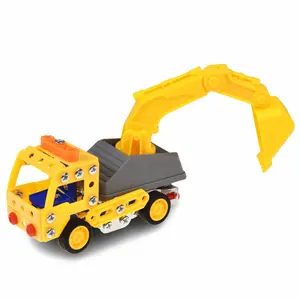
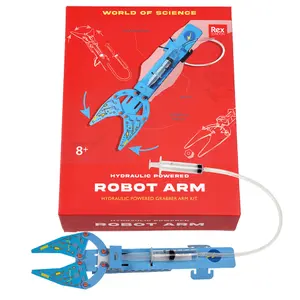
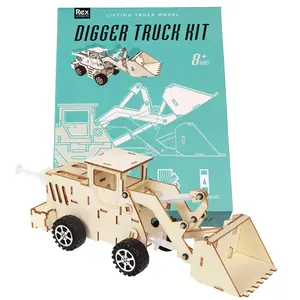
For older children, Rex London offers buildable hydraulic kits, such as a robot arm or digger, whose movements are controlled by water-filled syringes connected by tubes. When children push the plunger, they see the pressure transfer and the arm lift: a practical demonstration of how construction machinery works.
Buying a construction toy on Black Friday and during the sales
A wooden construction toy can be passed from one child to another, so it’s worth choosing the right time to buy. Black Friday kicks off the Christmas shopping season, and the winter sales are a chance to add to a box of blocks you’ve already started. Next come the spring French Days, the summer sales and then the back-to-school season. The rest of the year, take a look at our great deals, clearance and new arrivals.
Frequently asked questions
How many blocks does a child need to build properly?
Fifty blocks are enough to build towers, bridges and pens, while a hundred lets two children play together without arguing over the pieces. It’s better to have one complete set with matching pieces than several small sets that don’t work together.
How do you care for natural wooden toys?
Wipe them with a slightly damp cloth, without immersing them in water, which can make the wood swell and split. Leave them to air-dry away from a radiator. On waxed wood, a thin coat of beeswax from time to time will freshen up the surface.
Do construction toys help children learn maths?
By stacking blocks, children compare lengths, count pieces, spot symmetry and work out whether a tower will balance. These activities lay the foundations for geometry and arithmetic, which are taught more formally at school, as long as you let your child work things out before helping.
Should children follow a model or build freely?
Both work well together: free building develops imagination, while following step-by-step instructions helps children learn to read directions and persevere. At around six or seven, taking turns between the two helps keep things interesting.
How do you store hundreds of construction pieces?
A shallow box or a play mat that closes into a bag makes it possible to gather everything up in a minute. You could also sort pieces by shape into clear boxes: children can find what they’re looking for more quickly and are more likely to put things away.













