
Polo shirts for girls, sporty yet elegant
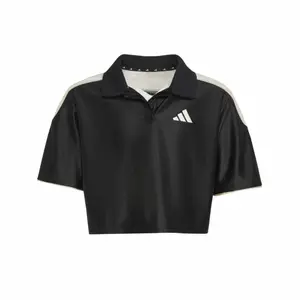


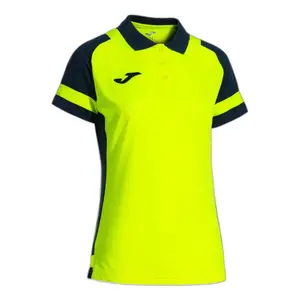
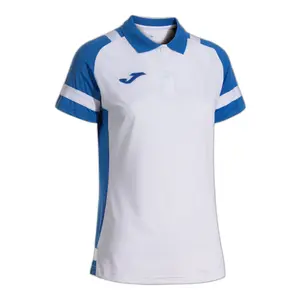
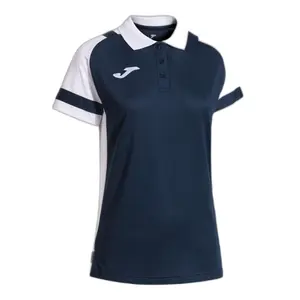
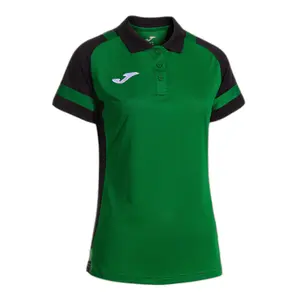
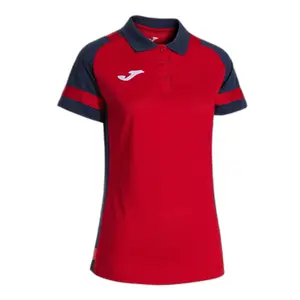
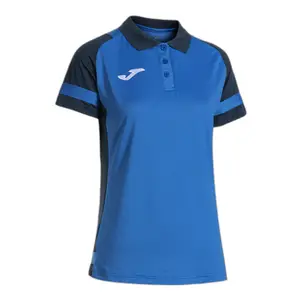
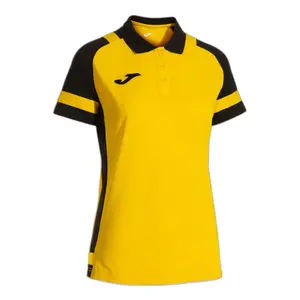
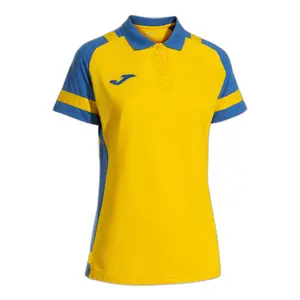
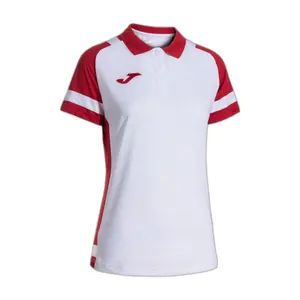
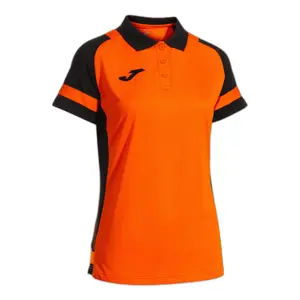
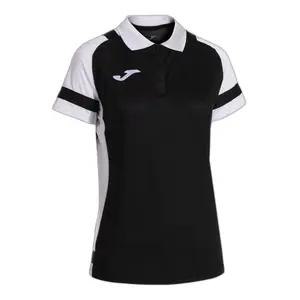
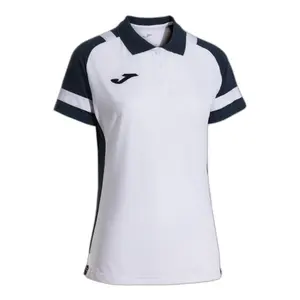
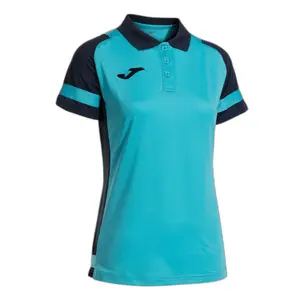
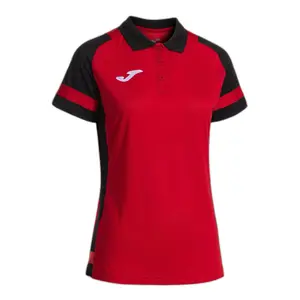
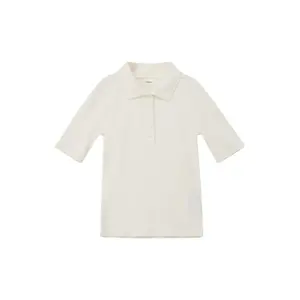


The girls' polo shirt is the ideal middle ground between a T-shirt and a shirt: as comfortable as the former, and almost as smart as the latter thanks to its collar and button placket. It can be worn to school, on a family outing or on a tennis court, in a fitted or loose cut like Converse's Boxy polo shirt.
A collar that looks smart without feeling restrictive.
Cotton piqué: the knit that makes the polo
The modern polo was born on the tennis courts in the 1920s, when a French player replaced his long-sleeved shirt with a lighter, more breathable top in cotton piqué. This subtly textured honeycomb knit lets air circulate and absorbs sweat, which explains why it remains the go-to fabric.
The polo retains the characteristic details of this origin: a flat ribbed collar, a two- or three-button placket and often a back that is slightly longer than the front, so it stays tucked into the waistband. Cotton jersey, which is finer and smoother, makes for softer polos that are comfortable in summer.
T-shirts, shirts and knitwear for a change
For summer, T-shirts and vests are the lightest alternative to the polo, while shirts are suited to smarter outfits. On cooler days, a polo can be layered with jumpers and cardigans or worn under a sweatshirt. For bottoms, the trousers page has styles to pair with it.
Fitted or boxy: choose the shape
Girls’ polos come in two main shapes. The fitted cut is slightly shaped, follows the waist and can be tucked in for a smart look, at school or for a ceremony. The boxy cut is shorter and wider, falling straight without defining the waist: this is the shape of the Converse Boxy polo, which is worn untucked for a relaxed look.
Converse, founded in 1908 in Malden, Massachusetts, brings to this polo the simple, sporty style that made it famous. To choose the size, start with your daughter’s height: a boxy cut should be bought in the usual size, as its loose fit is intentional, while a fitted polo that is too small will pull at the buttons and ride up at the back whenever your child raises her arms.
Short sleeves, long sleeves and looking after the collar
The short-sleeved polo is ideal for spring and summer, either on its own or under a light cardigan. The long-sleeved polo, in thicker piqué or interlock knit, takes over in autumn, and its collar looks smart peeking out from a V-neck.
The collar is the most delicate part: to stop it from curling, wash the polo at 30 degrees, with the buttons fastened and inside out, then reshape the collar by hand and dry the polo flat or on a hanger. Avoid tumble-drying, which shrinks cotton and distorts the ribbed edges. A gentle iron over the collar while it is still slightly damp will help it keep its shape.
Girls’ polos on offer, from back to school to summer
The polo is a back-to-school staple, but you can find it at a good price all year round. Black Friday is a good time to pick up long-sleeved styles for winter, and a well-cut polo makes a simple gift for the festive season. The winter sales, followed by the spring French Days, herald the return of short sleeves. During the summer sales and at back-to-school time, keep an eye on clothing clearance and new clothing to complete the school outfit.
Frequently asked questions
Are polos allowed in schools with a uniform?
They are often a staple of school uniforms, paired with plain bottoms, as they look smart while remaining comfortable. Check which colour is required, often white or navy, and whether logos are allowed, as some schools do not permit them.
How do you remove sweat marks from a white polo?
Rub the area before washing with a little Marseille soap or diluted bicarbonate of soda, then wash the polo before the stain sets. Avoid bleach, which weakens cotton fibres and damages the collar over time.
Is a polo suitable for playing tennis?
Yes, that was its original purpose. For playing, choose a polo in lightweight piqué or breathable technical knit, with a fitted cut that does not restrict your serve, and check your club’s dress code.
What size polo should I choose if my child is between sizes?
Use your child’s height in centimetres rather than their age, then compare it with the brand’s size guide. With a cotton polo, a little extra room allows for the slight shrinkage that may happen in the first wash.
Should you fasten all the buttons on a polo?
No, the usual style is to leave the top button undone, or even both, for a relaxed look. Fastening all the buttons gives a smarter look, which works well with a school uniform or for a ceremony.











