
Girls’ trousers in every fit and fabric


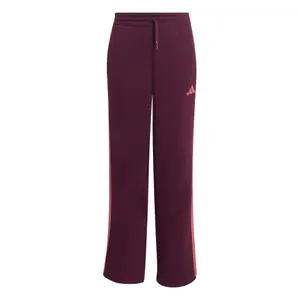
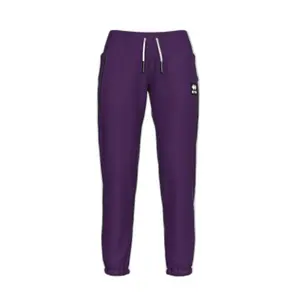
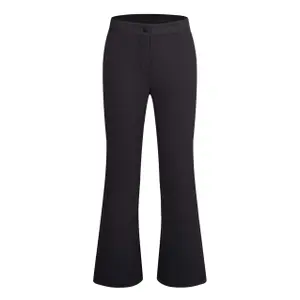


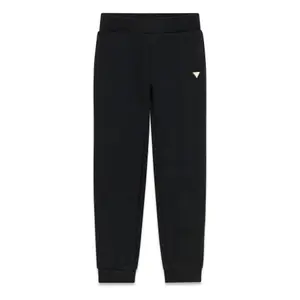
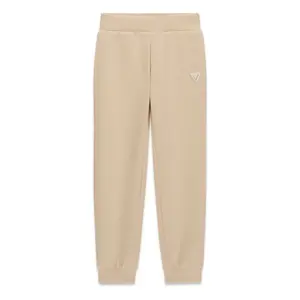
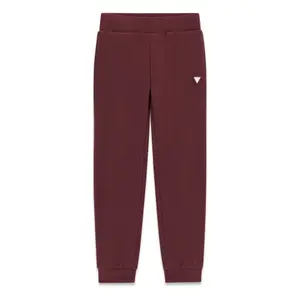
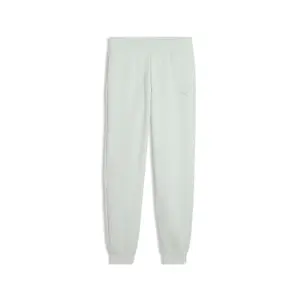

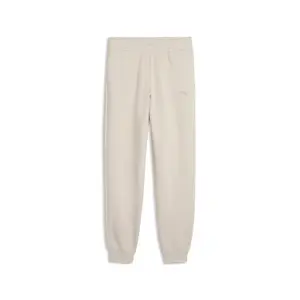
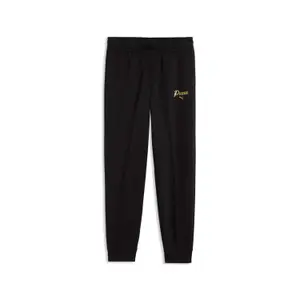
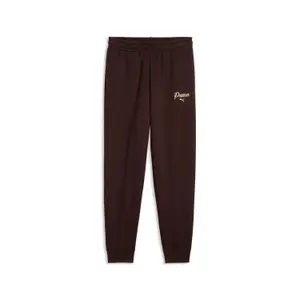


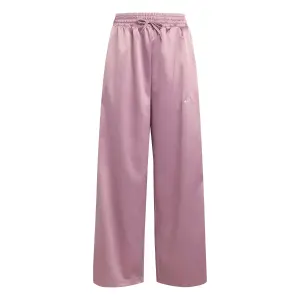
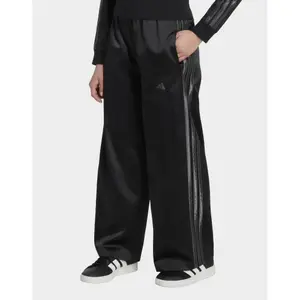
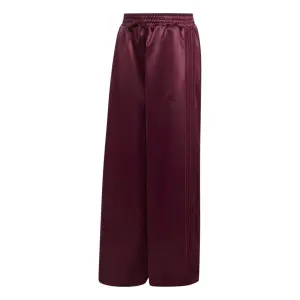
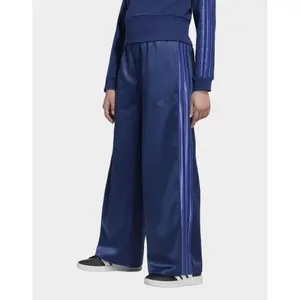
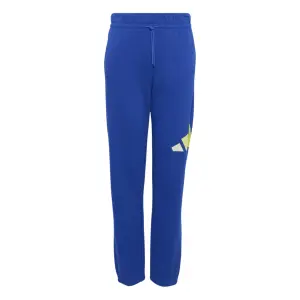
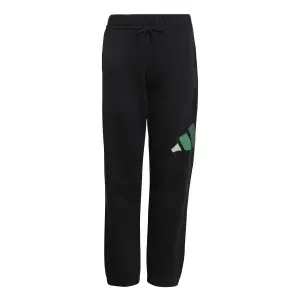
The girls' trousers come in a wide range of styles, from cargo trousers with pockets to wide-leg, straight-cut trousers, as well as bootcut trousers and joggers. This selection brings together styles in canvas, lightweight fabric and fleece from Only kids, Name it, Converse, Guess, Sofie Schnoor and Dare 2B, for school, leisure and sport.
A fit for every figure.
Cargo, parachute, bootcut: how to recognise the styles
Cargo trousers are easy to spot thanks to their large patch pockets on the thighs, inspired by military clothing. Handy for keeping a tissue or a treasure found in the playground, they come in hard-wearing fabric, like the woven cargo trousers from Converse, or in a sportier version from Jordan. Parachute trousers, like the Kogecho from Only kids, are made from lightweight, crinkled fabric and are often gathered at the ankles with a drawstring for a loose, airy look.
Slightly flared from the knee to the ankle, bootcut trousers create a longer-looking silhouette, and Name it has its own version. Wide and loose-fitting styles, like the Kogrita from Only, fall straight from the hips and give older girls plenty of freedom to move.
Jeans, leggings and joggers to complete the look
For a denim style, the jeans page brings together skinny, straight and wide-leg styles. Leggings give little ones and dancers a stretchy fit through the leg, while joggers and tracksuits bring together complete sports outfits. Dungarees and jumpsuits offer a one-piece alternative, and T-shirts and vests go with every style.
Elasticated, adjustable or high-waisted: comfort at the waist
Before the age of six, a fully elasticated waist is the most practical option: little girls can pull their trousers on by themselves, without having to deal with buttons or a zip when using the school toilets. As they get older, button-and-fly styles are best with an adjustable waistband, with internal buttonholes that let you tighten an elastic by one or more notches.
This system works well in two common situations: for a slim child whose trousers gape at the waist even though the length is right, and when buying trousers a little big so they last longer. The high waist, common on wide-leg styles, covers the lower back and can be worn with a cropped or tucked-in top. Finally, check the length: hems dragging on the ground will fray within a few weeks.
Canvas, fleece or technical fabric depending on the activity
For school, cotton canvas or hard-wearing twill can handle knees on the ground and repeated washes; a little elastane adds the stretch needed for sitting cross-legged. Lightweight polyester fabrics are more fluid, dry quickly and crease less.
For relaxing and sport, fleece joggers are a good choice: Guess has several styles in its Active range, as does Sofie Schnoor, a Danish brand founded in 2001, with the BaraSY. For trips to the mountains or rainy days, technical trousers like those from Dare 2B, a British outdoor and winter sports brand, offer better protection from wind and damp than cotton.
Girls' trousers on sale throughout the seasons
With growth spurts and worn-out knees, trousers are one of the items that need replacing most often. Black Friday is a good time to switch to warmer styles for winter, and the end-of-year celebrations call for a smarter outfit. The winter sales and spring French Days are a good time to look for lighter styles. During the summer sales and in the run-up to the new school year, clothing clearance and new arrivals help you put together a school wardrobe.
Frequently asked questions
How can you tighten trousers that are too big without alterations?
If the trousers don't have an adjustable waistband, an elastic belt with a buckle works well for a child. You can also thread flat elastic through the waistband by opening a small slit on the inside. It's a simple, reversible alteration.
How can you store children's trousers in a small wardrobe?
Roll them instead of folding them: rolled trousers take up less space, crease less and are easy to spot in a drawer. Sort them by use, with school clothes on one side and sportswear on the other, so your child can get dressed by herself in the morning.
Wide-leg or fitted trousers for school?
Both work well. The main thing is that your child can sit on the floor, run and climb on the slide comfortably. Wide-leg styles should be the right length to avoid tripping, while fitted styles need enough elastane to move with the knees.
What trousers should you wear for your first horse-riding lessons?
Riding trousers are fitted, stretchy and reinforced on the inside of the knees or at the seat to give a better grip in the saddle. They prevent rubbing from the thick seams of regular trousers, and can be worn with knee-high socks for those first lessons.
What temperature should you wash coloured trousers at?
Thirty degrees is enough for most everyday trousers. Wash them inside out to protect the colour and prints. Light-coloured fabrics with stains can be washed at 40 degrees if the care label allows, after applying stain remover directly to the mark.











