
Ski suits for girls, from sledging to the slopes
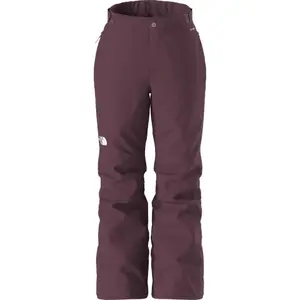
A girls’ ski suit in one piece stops snow from getting between the jacket and trousers, even after a fall or a sledge ride. It’s the simplest outfit for little skiers in the snow garden and for those who spend all day outdoors: it slips on in one go, fastens up to the chin and keeps their back warm.
One piece, no snow down your back.
Waterproofing and breathability: the figures to look for
The waterproofing of a ski suit is measured in millimetres of water column: this is the height of water the fabric can withstand before moisture gets through. A child who sits in the snow, falls often and builds snowmen puts a lot of strain on the seat and knees. Specialist guides consider around 10,000 mm a comfortable level for learning to ski; a suit described as waterproof with no figure given often just has a water-repellent finish, which wears off in the wash.
Breathability, measured in grams of water vapour released per square metre over twenty-four hours, matters just as much: a suit that does not breathe traps sweat inside, and the child gets cold as soon as she stops at the chairlift.
Completing a snow outfit
The mid layer makes all the difference under a suit: the jumpers and cardigans page has warm knits that can be layered without adding bulk. At the resort, while the suit dries in the chalet, a padded jacket is enough for an evening stroll, while coats and parkas come into their own once you are back in town. Everyday dungarees and all-in-ones, which are lighter, are suitable for rainy days at the playground.
Choosing a ski suit size by height
Choose a ski suit size based on the child's height in centimetres, not their age: at three years old, two little girls can differ in height by ten centimetres. Measure her barefoot, with her back against a wall, then check the brand's size guide. Allow a little room for the thermal layer underneath and to raise her arms without her wrists becoming exposed, but no more: a suit that's too big lets in cold air, bunches at the knees and makes it harder to move on skis.
Some suits have a grow system in the sleeves and legs, which gives a few extra centimetres of length: a good way to get another winter's wear out of it.
Snow gaiters, hood, reflective details: useful features
- Snow gaiters, sewn inside the legs, pull over the tops of ski boots and keep snow out at the ankles.
- Elasticated or hook-and-loop adjustable cuffs fit under gloves to close off the sleeves.
- A detachable hood, fastened with poppers, can be removed on the slopes when the child is wearing a helmet.
- Reflective details make the young skier easier to see at the end of the day, when the light starts to fade.
- A long front zip makes getting dressed and going to the toilet easier, a point that matters for younger children.
When to buy a ski suit on sale
Ski suits are generally bought before the winter holidays, and the sales calendar works in favour of parents who plan ahead. Black Friday falls just as families are getting ready for trips to the mountains, and the festive season makes snowwear a useful gift. The winter sales start while resorts are open, which is handy for a last-minute trip. After the spring French Days, the summer sales and back-to-school season are a good time to plan ahead for the next size on the clearance page, before the new clothing arrivals come back in autumn.
Frequently asked questions
Does a baby who cannot ski yet need a ski suit?
For a sledging trip or a walk in the mountains, a warm, waterproof suit is still the safest choice, as a young child who is not moving gets cold very quickly. Choose a style that covers the feet and hands well, and limit outings in very cold weather.
What should you wear under a ski suit?
Layer a thermal base layer in merino wool or synthetic fabric that wicks away sweat, then add a lightweight fleece if it is very cold. Avoid cotton next to the skin: it holds on to moisture and cools the child down as soon as she stops moving.
One-piece suit or two-piece set: which should you choose?
A suit gives younger children better protection, as they fall and play sitting in the snow, because nothing comes apart at the waist. At around six or eight years old, some children prefer being able to take their jacket off at lunchtime, but a suit is still warmer and more waterproof.
How do you wash a ski suit without damaging its membrane?
Turn it inside out, close all the zips and wash it on a delicate cycle with a mild liquid detergent and no fabric softener, which can clog the membrane. Rinse it thoroughly, dry it away from a radiator and, if needed, refresh the water-repellent finish with a specialist product.
Which colour makes your child easiest to spot on the slopes?
A bright colour such as red, orange, pink or yellow stands out from a distance against the white snow and among a group at ski lessons. White blends into the scenery and black into the crowd of adult skiers, especially on grey days.











