
Coats and parkas for girls, stylish or waterproof


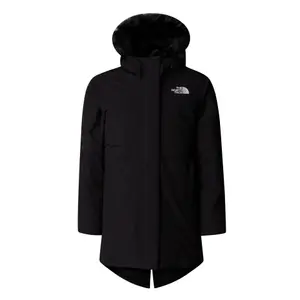


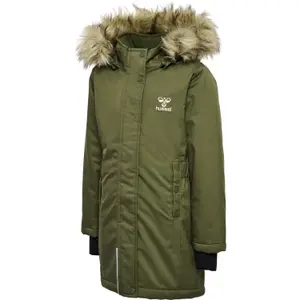
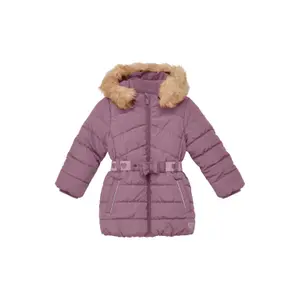
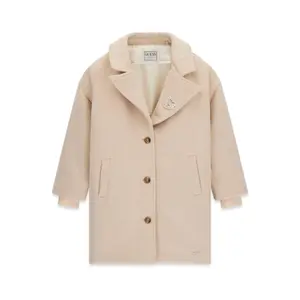
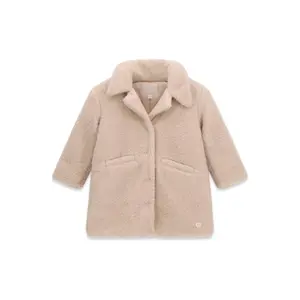
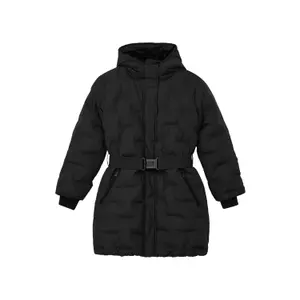
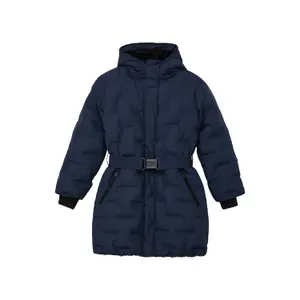
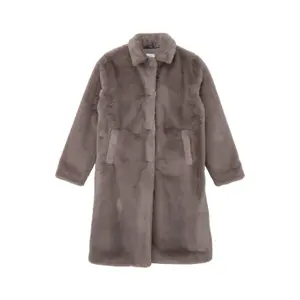
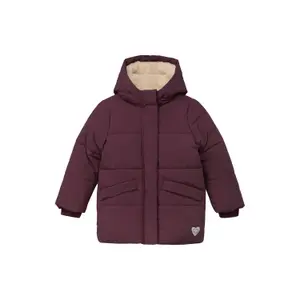
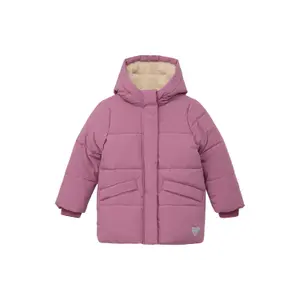
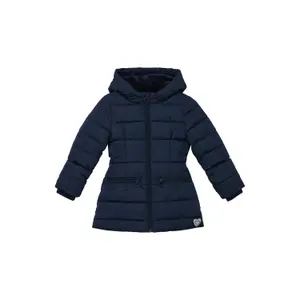
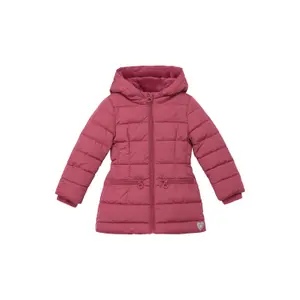
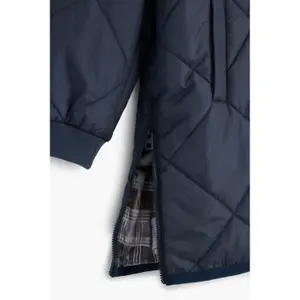
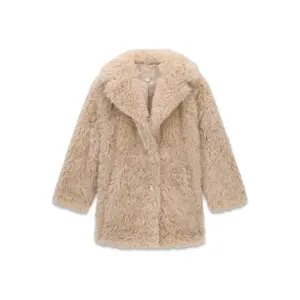
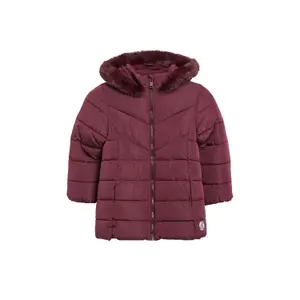
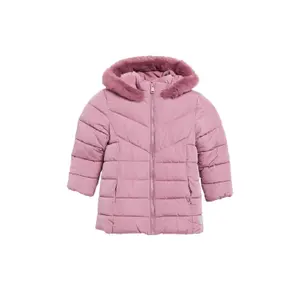
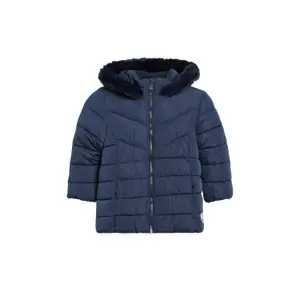
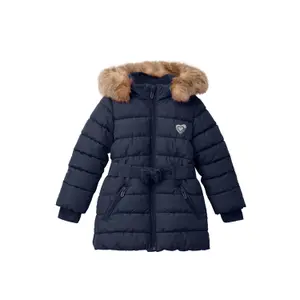
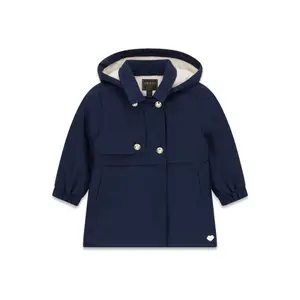
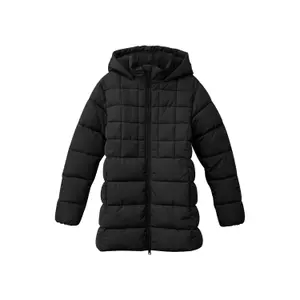
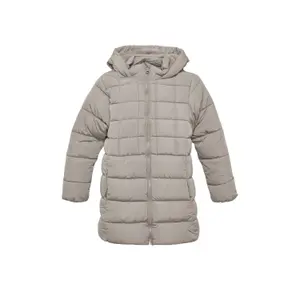
A girls' coat keeps her comfortable all winter, from the school run to weekend outings. This selection includes waterproof hooded parkas for rainy days and smarter coats for special occasions, from Reima, Name it, Only and Guess, in lengths that cover the lower back.
Keep her warm and dry until spring.
Parka or coat: two different uses
A parka is easy to spot by its hood, often lined, its length that falls below the hips and its flap pockets. It’s made for days outdoors, from the playground to walks in the rain. It can be worn over a jumper and is well suited to messy activities. The Mace South parka by Name it is a good example of this practical style.
A coat in the traditional sense, made from a wool blend or structured fabric, often fastens with buttons and has a more fitted cut. It’s suitable for family parties, ceremonies and days out in town. Only offers one version with the Sally coat, while the Guess Lurex coat, made with a metallic-look thread, adds a touch of shine for special occasions.
Puffers, jackets and mid-layers
Depending on the weather and activity, other outerwear can take the place of a coat. Puffer jackets offer the best balance of warmth and lightness in very cold weather, while jackets and coats are enough for autumn and spring. For snow, the ski suit takes over. Under a coat, jumpers and cardigans work as a mid-layer that’s easy to take off in class.
Waterproofing: what a Reimatec parka offers
A parka is only truly waterproof if both its fabric and its seams are waterproof. Reima, a Finnish brand founded in 1944, uses Reimatec technology, which combines waterproof, breathable fabric with seams sealed by tape on the inside, so water can’t get through the needle holes. The manufacturer says a 1,300 mm hydrostatic head is enough to call a garment waterproof, while around 4,000 mm lets you sit in a puddle.
Even with a waterproof parka, water can get in through the collar, cuffs or an exposed zip. Make sure the flap over the zip is fastened and tighten the cuffs. An outer water-repellent treatment makes rain bead on the surface before it even reaches the membrane.
Length, hood and safety at school
For a girl, a coat that covers the top of the thighs protects the lower back when she bends down or sits on a bench, without getting in the way when climbing the bus steps. Sleeves should cover the wrists with arms outstretched, with a little room for a thick jumper.
The ideal hood fastens with press studs: it can be removed if it gets caught on playground equipment, making it safer than a fixed hood. Avoid drawstrings around the neck for younger children; the European standard EN 14682 also sets rules for cords on children’s clothing. Finally, reflective details on the sleeves or back help drivers see your daughter on the way to school on winter mornings.
Coats and parkas on offer
A coat is one of the most important winter purchases, so it’s worth planning ahead. Black Friday comes around just as the first cold rains arrive, then the festive season calls for a smarter coat for family meals. The winter sales are a good time to buy the next size up. After the spring French Days and the summer sales, the new school year brings the return of new clothing, while the offers page brings together current deals.
Frequently asked questions
What coat should a girl wear when it’s fifteen degrees?
At around fifteen degrees, a light, unlined parka or mid-season jacket is enough, with a thin jumper underneath. Save a lined winter coat for temperatures close to zero, as a child who runs around can quickly get sweaty in something too warm.
How do you wash a waterproof parka?
Fasten all the zips and wash it inside out at a low temperature with liquid detergent and no fabric softener. Leave it to dry on a hanger. A short spell in the tumble dryer on a low setting, if the care label allows it, will then refresh the fabric’s water-repellent treatment.
Is a wool coat suitable for a child?
Yes, a wool-blend coat keeps them warm, is breathable and holds its shape well, making it ideal for outings. However, it doesn’t cope well with heavy rain or frequent washing, so have a parka for wet days and clean the coat gently.
Should you buy a coat one size bigger?
One size bigger leaves room for a thick jumper and may last for two winters, as long as the sleeves don’t cover the hands. Turn them up in the first year if needed. More than one size bigger can restrict movement and let the cold in.
How do you care for a faux-fur hood trim?
Remove it if it is detachable and hand-wash it in cold water without rubbing. Leave it to dry flat, away from a source of heat, then gently brush it with a soft brush to restore the volume of the fur.











