
Skirts for girls, from the school playground to days out


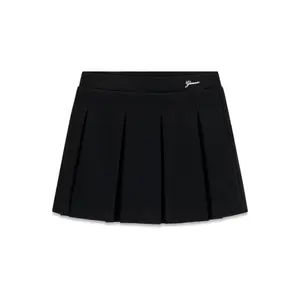
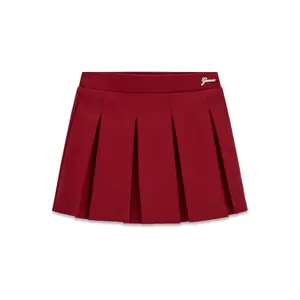
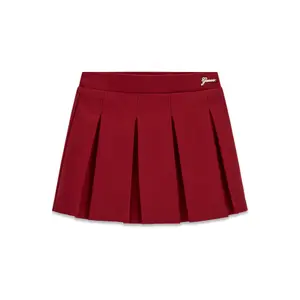
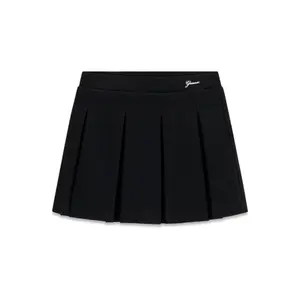


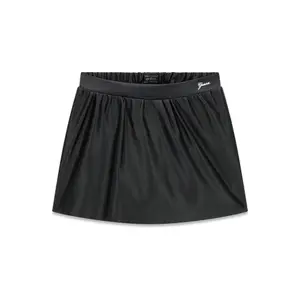
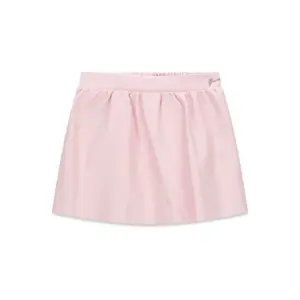
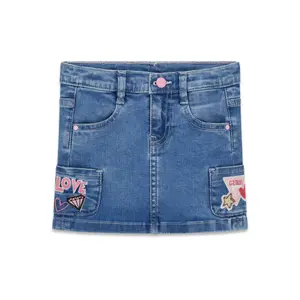
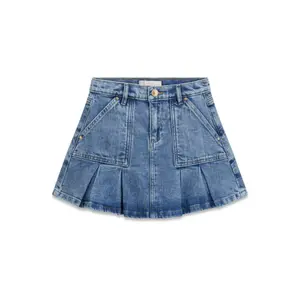
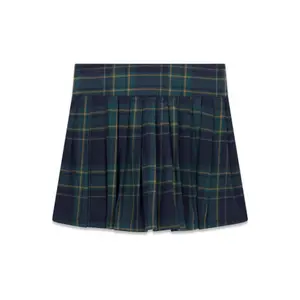
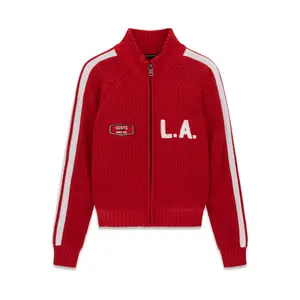
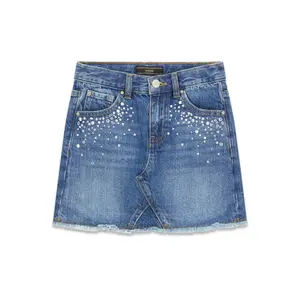
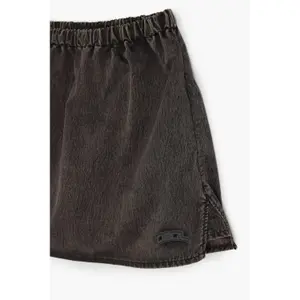
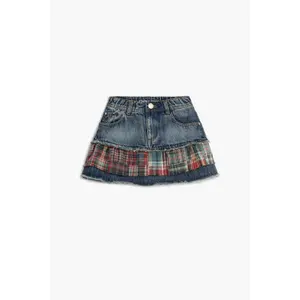
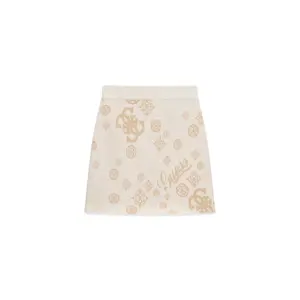
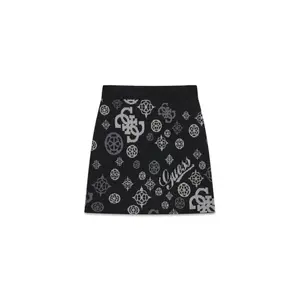
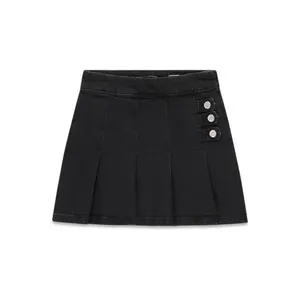
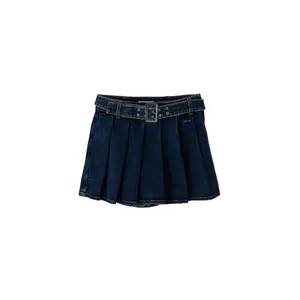
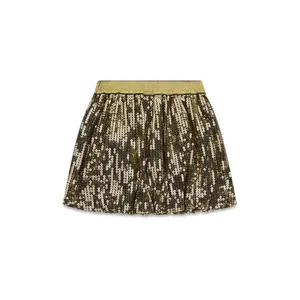
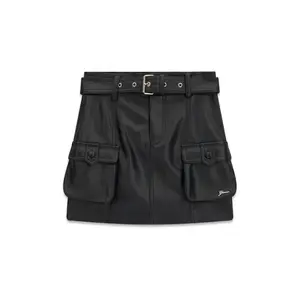
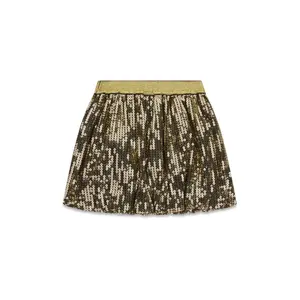
A girls' skirt should let her run, jump and sit on the floor without getting in the way. This selection brings together short and long skirts, tiered styles, sporty skirts and smarter pieces from Name it, Only kids, Desigual, Nike and Sofie Schnoor, to wear with bare legs in summer or tights in winter.
The right length for every age.
Short, midi or long: choosing the length
The short skirt, above the knee, is still the most practical choice for younger girls who run and climb all day. For the playground, go for an A-line or flared cut that leaves their legs free, rather than a straight skirt that restricts their stride.
The long skirt, which falls to the calf or ankle, is a favourite with older girls: the Elenasy design by Sofie Schnoor, a Danish brand founded in 2001, is a good example of a bohemian look. In between the two, a midi length, below the knee, is suitable for special occasions and family meals. With a long skirt, check that the hem does not drag: it should clear the ankle to prevent trips on the stairs.
Dresses, leggings and tops to pair with a skirt
For a one-piece outfit, dresses take the place of skirts for parties and warmer days. Leggings can be worn under a short skirt for worry-free play, and the T-shirts and vests page has summer tops. In winter, pair a skirt with jumpers and cardigans or a shirt for a smarter look.
Elasticated waistbands and easy-care fabrics
An elasticated waistband, all the way around or just at the back, lets a child get dressed by herself and keeps up with her growth better than a button fastening. This is an important point before the age of six or seven, when independence matters just as much as looks. Some skirts have an adjustable inner elastic to take in the waistband for a slim girl.
When it comes to fabric, cotton and jersey are easy to wash and do not crease much; tulle and layered frills, like on the Konselma tiered skirt by Only, add volume and movement, while corduroy and chunky knit keep her warm in winter. Desigual, founded in Barcelona in 1984 and known for its graphic patterns, also makes the Gretchen skirt.
Skirts and tights: a winter outfit
Worn with opaque tights, a skirt can be worn all year round: in winter, thick cotton or ribbed tights cover the legs and make a skirt almost as warm as trousers. Choose plain tights in a colour picked out from the print, or a shade darker than the skirt to define the silhouette.
For really cold days, a velvet, wool-blend or chunky-knit skirt makes all the difference, worn with a tucked-in jumper or a short sweatshirt. In spring, the same skirt can be worn with bare legs and knee-high socks, and in summer, a lightweight cotton skirt is a great alternative to shorts. A skort, with shorts sewn underneath, gives girls who want to play freely at school peace of mind.
Skirts on sale throughout the year
Skirt fabrics change with the seasons, so there are good options at every key time of year. During Black Friday, velvet and winter knit skirts take centre stage, then the end-of-year festivities call for a smarter skirt for New Year's Eve. The winter sales clear these warm styles, while the spring French Days herald lightweight skirts. During the summer sales and back-to-school period, clearance and new clothing arrivals help you get ready for the school year.
Frequently asked questions
What skirt size should I choose for a girl?
Skirt sizes follow the rest of the wardrobe, with ages matched to heights in centimetres, but waist measurement matters most. Measure around the waist at navel level and compare it with the brand's size guide; an elasticated waistband allows for a small difference.
How do I iron a pleated skirt without losing the pleats?
Iron it inside out or through a pressing cloth, pleat by pleat, starting at the waistband and working down to the hem. Clothes pegs placed at the bottom of the pleats while it dries help keep them neat, and some permanent pleats do not need ironing at all.
Can a tulle skirt be machine washed?
Usually, yes: wash it on a cold, delicate cycle in a laundry bag to stop the tulle catching. Do not spin it too much and hang it up to dry so it regains its volume; always follow the manufacturer's label.
Which skirt should I choose for a ceremony or wedding?
A midi skirt in a floaty fabric, tulle or satin, paired with a plain top makes an elegant, comfortable outfit for a special occasion. Try it on with the tights she will wear to check the length and comfort for a whole day of celebrations.
How do I sew an elasticated-waist skirt for a child?
The simplest design uses a rectangle of fabric about twice the waist measurement, sewn into a tube, with a channel at the top for the elastic. Cut the elastic a little shorter than the child's waist measurement, then finish with a hem.











