
Girls’ jeans, from skinny to wide-leg fits


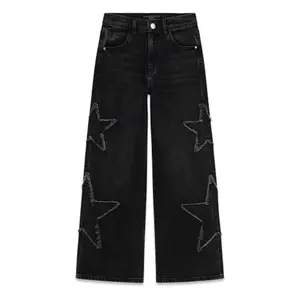

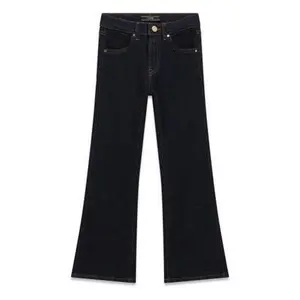
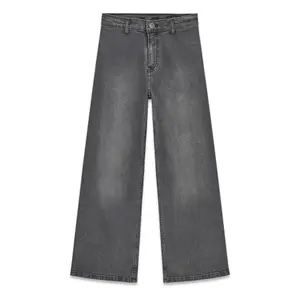

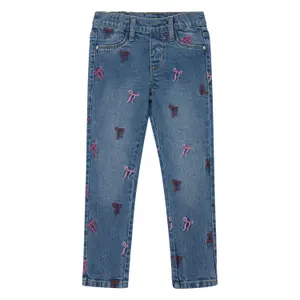
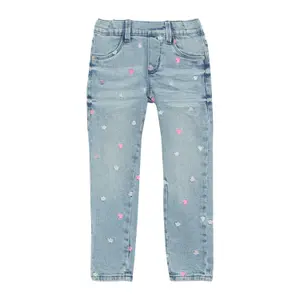


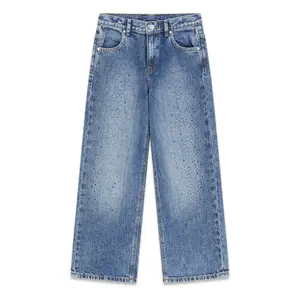
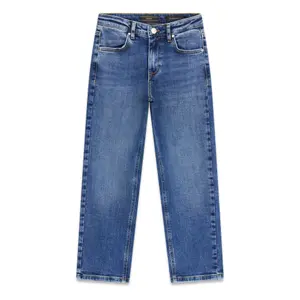
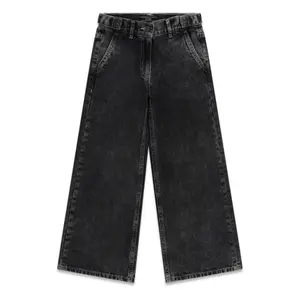
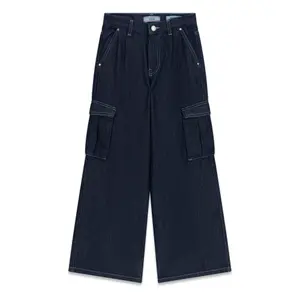

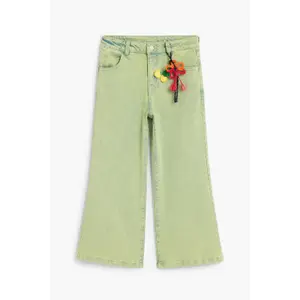
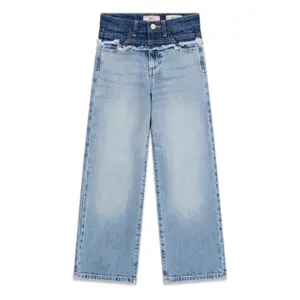
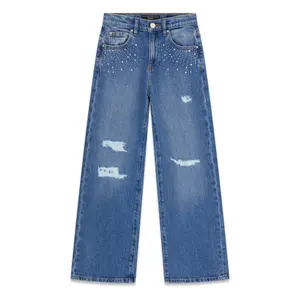
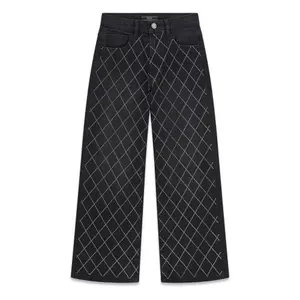
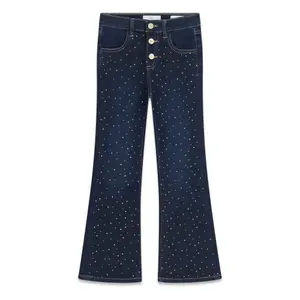
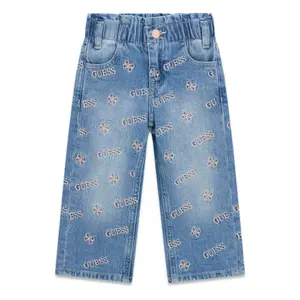
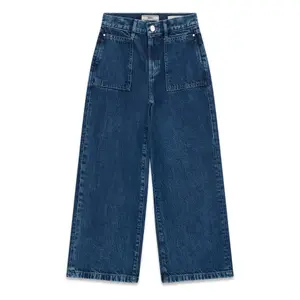
Girls' jeans are worn to school, at the park and at the weekend, so they need to allow every movement without splitting at the knees. This selection includes a range of fits, from stretchy skinny jeans to looser styles, with designs from Name it, Only kids, Guess and Desigual, in sizes for everyone from little girls to teenagers.
A good pair of jeans comes down to the fit and the fabric.
Skinny, straight, wide-leg or flared: choosing the cut
Skinny jeans hug the leg down to the ankle: they slip easily under a tunic or long jumper and don't get in the way on a bike, as long as they contain enough elastane to stay flexible. This is the cut of Guess's stretch skinny jeans, a brand founded in Los Angeles in 1981 with a focus on denim, and Only kids' Kograchel.
Straight-leg jeans are more classic, falling without being tight and suiting children who don't like feeling restricted. Wide-leg and flared cuts give the thighs room and widen towards the hem: comfortable for sitting on the floor, they appeal to older girls. Name it offers several styles, including the Polly and Bella, while Desigual, founded in Barcelona in 1984, has the Daphne, from its collaboration with Disney.
Trousers, leggings and tops to wear with jeans
Jeans are just one of the types of bottoms for girls. The trousers page brings together canvas, cargo and jogger styles, while leggings are ideal for active days or little ones who want a flexible leg. Dungarees and jumpsuits offer a one-piece alternative. For tops, T-shirts and vests and sweatshirts go naturally with every cut of jeans.
Finding the right jean size and adjusting the waist
Girls' jeans are sized by age, but age refers to a height in centimetres: an eight-year-old usually corresponds to 128 cm, a ten-year-old to 140 cm, and a twelve-year-old to 152 cm. For jeans, also check the leg length: a tall, slim child may need the next size up for length and an adjustable waist.
That's what the adjustable waist is for: a buttoned elastic band inside the waistband that can be tightened or loosened a notch at a time. It means the same jeans can be worn for several months without a belt, and answers a common question from parents: how to tighten a child's jeans that are too loose. On high-waisted jeans, it also stops the waistband gaping at the back.
Denim, stretch and jean care
Denim is a cotton twill fabric, recognised by its fine diagonal lines; its name is thought to come from serge de Nîmes, although historians are still debating this origin. Dyed with indigo, it develops a worn-in look over time with washing.
For a child, denim blended with a little elastane offers the stretch needed to crouch, climb or sit cross-legged, and the jeans return to their shape after washing. Cotton on its own is stiffer, softens over time and stands up better to rubbing. To keep the colour, wash the jeans inside out at 30 degrees with dark colours, and leave them to air-dry: tumble-drying shrinks the cotton and wears out the elastic fibres.
Girls' jeans on sale: key shopping periods
Between worn knees and growth spurts, children's jeans often need replacing sooner than expected. Black Friday and the end-of-year festivities are a chance to get ready for winter, then the winter sales are a good time to buy the next size up. The spring French Days and summer sales come before the new school year, a key time to refresh the school wardrobe: the clothing clearance page brings together end-of-line items, while new clothing shows the latest styles.
Frequently asked questions
How can I stop the knees of children's jeans from wearing through?
Choose a fairly thick denim and wash it inside out to reduce wear. As soon as an area starts to thin, an iron-on patch on the inside strengthens the fabric before a hole appears, and stays invisible from the outside.
Are low-rise jeans suitable for a young girl?
Low-rise jeans sit below the navel and can expose the lower back when a child sits down or bends over. For younger children, a regular or high waist is more comfortable and offers better coverage, especially at school.
How should I fold and store children's jeans?
Fold the jeans in half lengthways, then into thirds, and store them upright in the drawer so you can see all the pairs at a glance. On a hanger, hang them by the waistband with clips to avoid a crease down the middle of the legs.
Should new jeans be washed before wearing?
It's best to do this for children's jeans: a first wash inside out removes excess dye and manufacturing finishes. Wash them on their own or with dark colours the first time, as the indigo may transfer onto light laundry.
How many pairs of jeans should I get for the new school year?
Two or three pairs of jeans are generally enough to get through the week with regular washing. It's better to have different cuts, for example a skinny pair and a wide-leg style, to suit different activities and outfits.











