
Knicker shorts, crop tops and underwear for girls


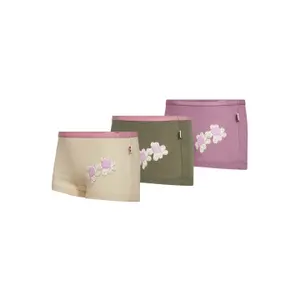


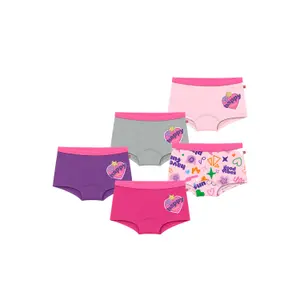
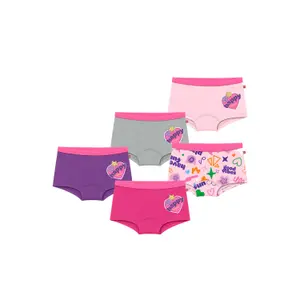
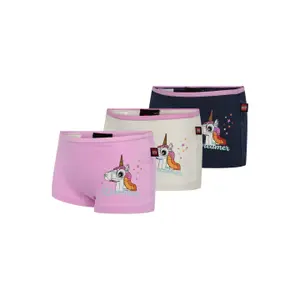
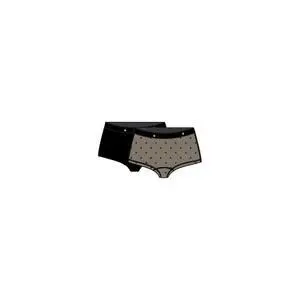
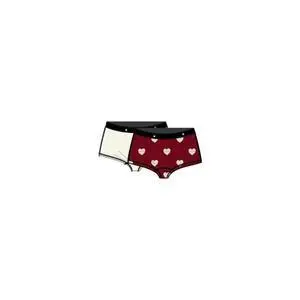
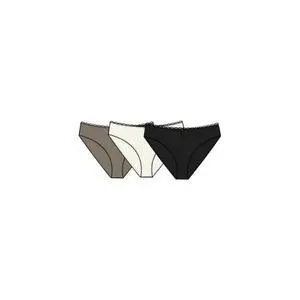
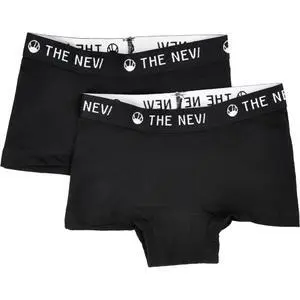
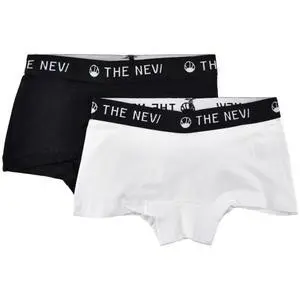
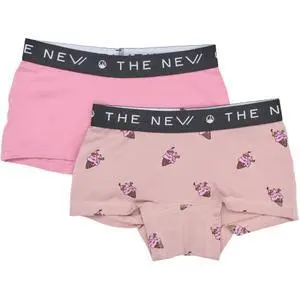
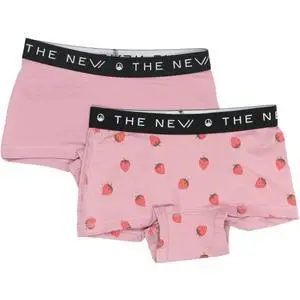
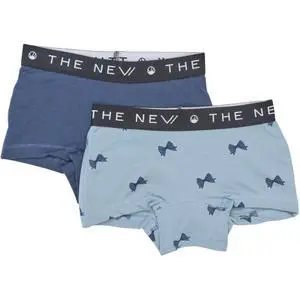
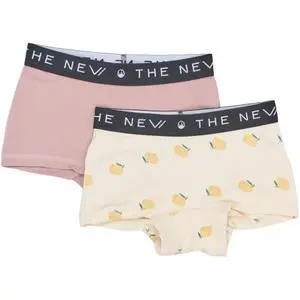
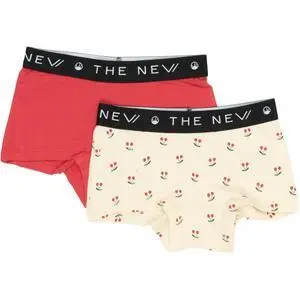
Girls' underwear is worn all day, next to the skin: its fabric and fit matter more than its pattern. This page brings together cotton briefs and shorties, from potty training to the teenage years, vests to keep out the cold, first bras and thermal underwear for skiing or winter outings.
Softness and support, at every age.
Briefs, shorties or boxers: which style for each age
Classic briefs, cut high on the thigh, are still the most popular style for young girls. Shorties, which offer more coverage, come down slightly over the top of the thigh and don't show under leggings; boxers, which are even longer, prevent chafing between the thighs when it's hot and your child is running around in the playground.
At around two or three years old, when potty training, choose briefs with a soft waistband that your child can pull down and pull up on her own, without help. Make sure you have enough: little accidents are common during the first few weeks, and your child will feel more confident if she can change easily, at home and at school.
T-shirts, leggings and swimming costumes: worn over underwear
Underwear is the first layer of an outfit, and other pages cover what your child wears over it. T-shirts and vests take the place of a vest top when it's warm, leggings are worn over shorties for dance or gymnastics, and swimming costumes replace briefs and a crop top at the pool.
Cotton, OEKO-TEX label and flat seams: what matters next to the skin
Cotton is still the go-to fabric for children's briefs: it absorbs moisture, lets the skin breathe and can be washed at 40 or 60 degrees, which is useful for hygiene. A small amount of elastane helps the briefs keep their shape after many washes.
The OEKO-TEX Standard 100 label guarantees that the fabric has been tested for a list of harmful substances, from formaldehyde to heavy metals. Its most stringent Class I applies to products for children up to three years old, while Class II covers textiles worn directly against the skin. Check the finishing too: flat seams and a printed label instead of a sewn-in one help prevent irritation.
Crop tops, then bras: supporting the first changes
Puberty usually starts between the ages of 8 and 13 in girls, and breast development is often the first sign. A crop top is the first step: without underwires, and made from cotton or stretchy fabric, it covers and gives light support without squeezing. Some girls ask for one before they need it, to be like the older girls, and it's a good way to get used to wearing one.
A first bra comes later, when the breasts start to develop. Choose one based on the underbust measurement and cup size, without underwires at first, and check the size regularly as it can change quickly during the teenage years. For sport, a crop top with extra support helps reduce movement and discomfort.
Briefs and underwear multipacks: the best times to stock up
Underwear is often bought in multipacks, and key dates in the calendar are a good time to replace several items at once. Black Friday and the Christmas period are good times to buy thermal underwear ahead of a snow holiday, while the winter sales and the spring French Days are a good time to replace briefs that have become too small. The summer sales come before the new school year, when it's time to refresh the underwear drawer for the year ahead: the special offers page brings together the latest discounts.
Frequently asked questions
How many pairs of briefs should I get for a child who is potty training?
Allow for at least ten pairs of briefs during the first few weeks, and more if she goes to school or a childminder, where you'll need to leave spare clothes. You'll need fewer as accidents become less frequent, usually after a few months.
Which thermal underwear should I choose for skiing?
Merino wool keeps you warm even when damp and helps prevent odours, but needs more careful care. Technical polyester dries faster and is easier to machine wash; in both cases, the underwear should fit closely without being tight, to wick away sweat.
How do I know what size briefs to buy?
Brief sizes are based on age, but hip measurement is the best guide: if the briefs are too tight, the elastic leaves marks on the skin; if they're too big, they gape and slip down. If your daughter is between sizes, choose the larger one, as cotton can shrink a little in the wash.
Should I wash new underwear before wearing it?
Yes, a first wash removes finishing chemicals and any dye residue left from manufacturing, which can irritate sensitive skin. Wash them separately or with similar colours, without fabric softener, which reduces cotton's ability to absorb moisture.
How can I stop the elastic from stretching?
Avoid washing at high temperatures and using a tumble dryer on a high setting, as both wear out the elastane much faster than normal use. A washing bag also protects crop tops, whose thin straps can get tangled in the drum with the rest of the washing.











