
Ride-on toys, from the premier ride-on to the bike
Ride-on vehicles support every stage of growing independent: the ride-on toy that children push along with their feet from their first steps, the tricycle and their first pedal strokes, the balance bike that teaches them to balance, then the bike and scooter. Globber, Hornit and FreeON offer models that grow with them, while Toyz electric cars give older children the fun of driving.
Ride, push, pedal: grow as you go.

Which ride-on toy at what age
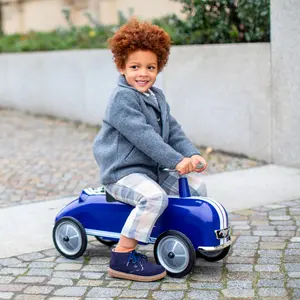
- Before taking their first steps, a push-along walker helps a child stand up, then they sit on a ride-on toy and push themselves along with their feet: the Walk N' Roll from Globber combines both uses, from six to thirty-six months.
- Between one and three years, an adjustable ride-on toy takes over; the Learning Bike from Globber transforms into a balance bike.
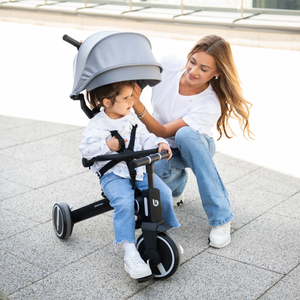
- At around two years, a balance bike teaches balance; at around three, children can coordinate their legs well enough to pedal a tricycle.
- At around five or six, many children move straight from a balance bike to a bicycle without stabilisers.
Ride-on toys, balance bikes, tricycles and electric vehicles
- Ride-on toys help children get around for the first time, sitting down with their feet on the ground.
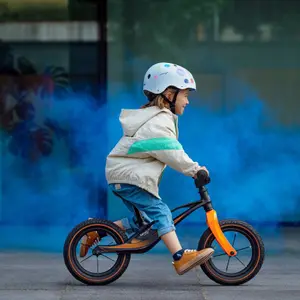
- Balance bikes teach children to balance on two wheels, without pedals.
- Tricycles introduce pedalling with added stability.
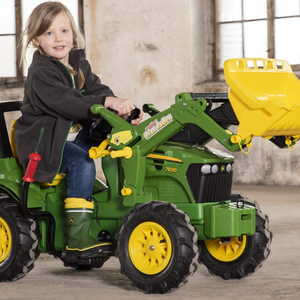
- Electric and pedal-powered vehicles include cars, buggies and go-karts for playing at being a driver.
- Bicycles and scooters come next, once children have mastered their balance.
Adjustable models to learn balance
The Airo balance bike from Hornit, a British brand known for its bicycle horns, features a very lightweight magnesium alloy frame and inflatable tyres that absorb bumps in the pavement. At Globber, the Go Bike Elite Duo starts with a double rear wheel to steady those first attempts, then switches to a single wheel without tools once the child has found their balance.
Better suited to indoors, the wooden Free 2 Move from FreeON rolls on three wheels at first before becoming a balance bike, and its rubberised treads are quiet on parquet flooring. Tricycles decorated with Minnie and Mickey are also a hit with Disney fans as they take their first pedal strokes.
Electric cars and go-karts: drive like the grown-ups
Electric cars for children must meet the EN 62115 electrical toy safety standard, as well as the general requirements of the EN 71 series. The Maverick from Toyz has the look of an off-road buggy, the Disney Lithium car brings a cartoon-inspired design, and the Viper Go kart from Xootz offers a low-to-the-ground driving position.
For first-time drivers, choose a model with a parental remote control, which lets an adult steer and stop the vehicle from a distance. These vehicles should be driven on a private driveway or in a garden, never on public roads.
Ride-on toys on offer, from Christmas to spring
A ride-on toy or balance bike is often at the top of Santa's list: Black Friday is a chance to shop early before the festive season. The winter sales follow, then the spring French Days and summer sales are ideal for trips to the park, while the start of the school year is a good time to move up to a larger model. Outdoor and sports clearance and new outdoor and sports arrivals round out the selection.
Frequently asked questions
Is a helmet compulsory on a balance bike?
Since 22 March 2017, children under twelve must wear a helmet when cycling, whether they are riding or a passenger. The rule applies to bicycles; on a balance bike, wearing a properly fitting helmet is still strongly recommended from the very first outings.
Electric car for children: from what age?
Entry-level models, which are slow and can be controlled remotely by a parent, are often suitable from the age of three; more powerful models are for older children. Follow the age and maximum weight limits stated by the manufacturer, as these are important for the vehicle's safety.
How do you look after an electric car battery?
Follow the instructions: most recommend fully charging the battery after each use and giving it regular maintenance charges during months when the car is not being used. Store the car somewhere dry and protected from frost, which reduces battery capacity.
Should children use a tricycle before a balance bike?
No, they teach two different skills: a tricycle teaches pedalling, while a balance bike teaches balance. Many children go straight from a ride-on toy to a balance bike, then a bicycle, without ever needing stabilisers.
Can you use a ride-on toy indoors?
Yes, it's actually ideal for rainy days. Choose wheels with rubber treads, which are quiet and won't mark the floor, remove slippery rugs and block access to the stairs.













