
Balance bikes to help children learn to balance before riding a bike






Starting at £39.94
£33.63
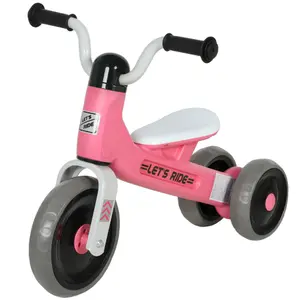
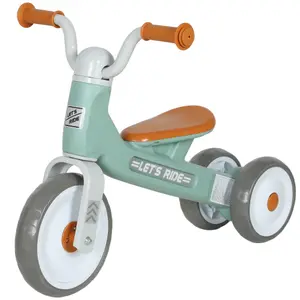
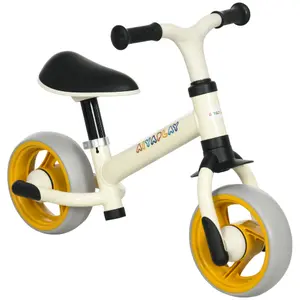
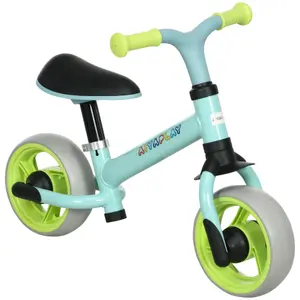
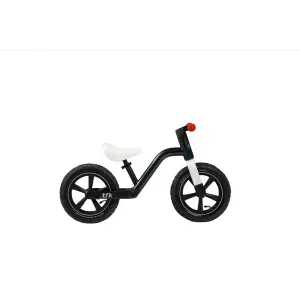
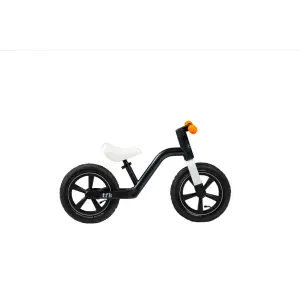
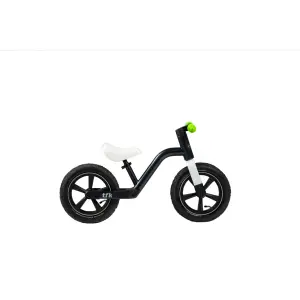
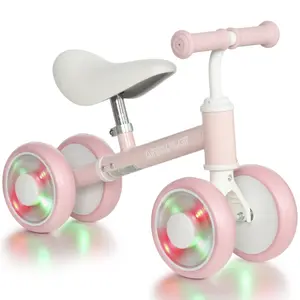
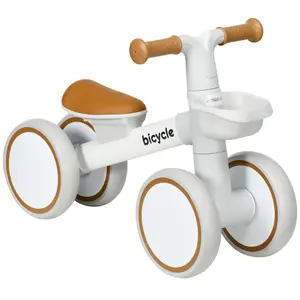
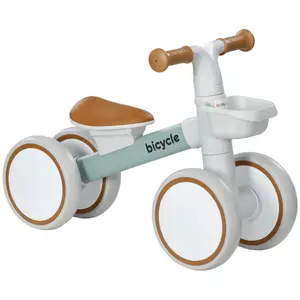
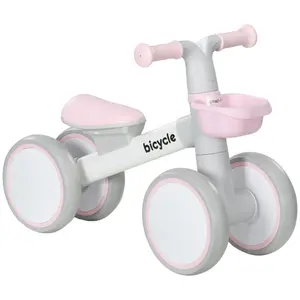
A balance bike is a bike without pedals that children move along with their feet. It has become the best way to learn to balance: within a few weeks, they go from sitting and walking to long glides, and often move on to a pedal bike without stabilisers naturally. A lightweight frame, adjustable saddle and suitable tyres make all the difference, from the Hornit Airo to the Go Bike Elite models by Globber.
Two wheels, two feet, and balance comes naturally.
What size balance bike based on inside leg measurement
Age gives you an idea, but the inside leg measurement is what matters. Measure it barefoot, with your back against a wall, from the floor to the crotch: the saddle should be set one or two centimetres below this measurement, so your child can place both feet flat on the ground with their knees slightly bent.
The Hornit Airo is suitable for an inside leg measurement of thirty to forty-eight centimetres, with a saddle adjustable from twenty-nine to forty-four centimetres, for children aged around eighteen months to five years. The Go Bike Elite by Globber, designed for children aged two to five, has an adjustable saddle from thirty-three to forty-two centimetres. When properly adjusted, a balance bike can be raised as your child grows, without making them ride on tiptoes.
Ride-on toys, tricycles and bikes for every stage
Before moving on to a balance bike, ride-on toys get children used to moving forwards while sitting, with their feet on the ground, while tricycles teach them to pedal without the risk of falling. Once they have mastered their balance, the Bikes and scooters page takes over, while electric and pedal-powered vehicles let them play at being a driver.
Hornit Airo, Go Bike Elite, Active Lights: three different approaches
- The Hornit Airo, made by the British brand known for its bicycle horns, weighs less than three kilos thanks to its magnesium frame and rides on inflatable tyres fitted with sealed bearings; the twelve-inch version has no brake, while the fourteen-inch version does.
- The Go Bike Elite by Globber can be converted without tools and supports up to twenty kilos; its Duo version starts with a removable double rear wheel, then switches to a single wheel, with puncture-proof EVA foam wheels.
- The Active Lights by Fluxx, also designed for children aged two to five, completes the range with a simple first balance bike that's easy to handle.
Learning to ride a balance bike
First, let your child walk while sitting on the saddle, with the balance bike between their legs: this helps them get used to its weight and steering. Next come short running steps, then the moment when they lift both feet and glide for a few metres, often down a gentle slope: they have mastered their balance.
Choose a smooth, clear surface, such as a park path or courtyard, away from cars, and let them progress at their own pace without holding the saddle. At first, they brake with their feet; if the model has one, show them the hand brake early so they can get used to it.
Balance bikes on offer for Christmas and birthdays
A balance bike is a classic second-Christmas present: Black Friday is a chance to get one ahead of the festive season. The winter sales come at just the right time for an early-year birthday; the spring French Days and summer sales are ideal for their first trips to the park, while the start of the school year is a good time to move up a size. Special offers and outdoor and sports clearance bring together the latest deals.
Frequently asked questions
When should a child move from a balance bike to a bike?
Often between three and a half and five years old, when they can glide for a long time with their feet off the ground and steer confidently. As they have already mastered their balance, they only need to learn to pedal and can usually do without stabilisers.
Where does the name balance bike come from?
It is named in honour of the German baron Karl Drais, who unveiled his running machine in 1817: a wooden two-wheeler without pedals, moved forwards by pushing with your feet. This ancestor of the bicycle has returned in a miniature version to help children learn.
Inflatable tyres or foam wheels: which should you choose?
Inflatable tyres absorb bumps better and grip well on paths, but can get punctures and need checking. EVA foam wheels are puncture-proof and maintenance-free, making them suitable for pavements and smooth paths, though the ride is a little firmer.
Is a balance bike suitable for an eighteen-month-old?
Yes, if the saddle goes low enough for them to place their feet flat on the ground and it is lightweight: a model weighing less than three kilos is easy to handle. At this age, they will mostly walk along with it; real gliding will come a few months later.
Can a balance bike be ridden on the pavement?
The Highway Code allows children under eight to ride a bike on the pavement, at walking pace and without getting in pedestrians' way. The same care applies to a balance bike, which should always be used under adult supervision.











