
Balloons for children, from their first game to the club


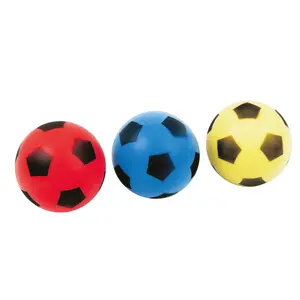
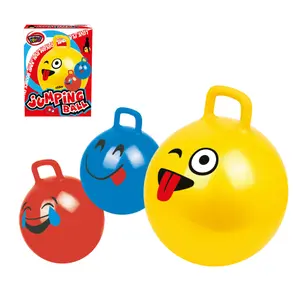
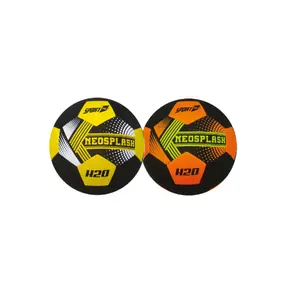


The children's ball is their first sports toy, rolling under their feet before they even take their first steps. The right one can follow them from the garden to the club: soft and light for little ones, then the regulation size for their age group. Material, size, weight and inflation all make a difference to how much fun it is to play and how safe it is.
The right size makes all the difference when kicking it.
What size football, basketball or rugby ball?
- Football: size 3, around 57 to 60 cm in circumference, is suitable for under eights; size 4 for children aged around eight to twelve; size 5, the official match ball, from the age of twelve or thirteen.
- Basketball: size 3 or 4 for mini basketball for four to six-year-olds, size 5 for seven to ten-year-olds, size 6 for girls aged eleven and over and boys aged eleven and twelve, size 7 for boys aged thirteen and over.
- Rugby: size 3 is used in rugby school up to around the age of nine, size 4 for ten to fourteen-year-olds, and size 5 for adults.
If you’re not sure, the club can tell you which size is used in training.
Goals, hoops and other sports games
To practise aiming with a ball, the Football Goals page features mini goals and garden goals, while Basketball Hoops has hoops for practising your shots. Tunnels, hoops and marbles round out the kit in Sports Games.
PVC, foam or stitched ball: what material?
The PVC ball, moulded in one piece, is lightweight, waterproof and colourful: it’s the classic garden ball, often decorated, like the children’s balls made by Italian brand Mondo. Founded in Piedmont in 1948, the company first made rubber balls for pallapugno, an Italian game in which the ball is struck with the fist. The foam ball, particularly one with a textured elephant-skin coating, won’t hurt if it hits your face and can be played with indoors.
The stitched or heat-bonded ball, with panels and an inner bladder, offers a consistent bounce and flight path; this is the sort used by clubs and football schools, and is best left to children who are starting to kick the ball hard.
Inflating and caring for your ball
The recommended pressure is printed near the valve, in bars or pounds per square inch. An overinflated ball bounces too much and hurts your feet; one that’s too soft loses its shape and wears out quickly. Use a pump with a needle, dampened before you slide it into the valve to avoid damaging it, and check the pressure with a gauge. After playing in the rain, wipe the ball down and leave it to dry at room temperature, away from a radiator. Stored somewhere at a moderate temperature, away from both sunlight and frost, a ball will keep its shape and colour for much longer. A decorated PVC ball can simply be washed with soapy water.
When to buy a ball
A ball is one of the easiest gifts to give, at any age. Black Friday and the end-of-year holidays are a chance to pop one into every Christmas stocking, then the winter sales and French Days in spring arrive just as garden matches get under way again. During the summer sales and at the start of the school year, just before training starts again, the outdoor and sports clearance and special offers pages bring together end-of-line products.
Frequently asked questions
Which ball should I get for a one-year-old?
For a one-year-old, choose a lightweight, soft ball made of foam, fabric or soft PVC. It should be big enough to hold in both hands and impossible to fit entirely in their mouth. Check the age recommendation: some balls are suitable from one year, while others are for children aged three and over.
Why does my child’s ball keep losing air?
A slow loss of air is normal, especially with a latex bladder, which is softer but more porous than butyl. A rapid loss of air points to a damaged valve or puncture. In all cases, check the pressure before every match.
Which ball should I buy for my child’s first club sign-up?
Ask what size is used for their age group, and choose a stitched or heat-bonded training ball that can stand up to artificial surfaces. There’s no need to go for a high-end match ball: for training, durability comes first.
How do I clean a muddy football?
Let the mud dry, then brush it off, or wipe it with a damp sponge and a little mild soap. Never use solvents or put the ball in the dishwasher, and don’t dry it near a source of heat, as this can loosen the panels.
What’s the difference between a ball and a football?
In French, « balle » refers to an object small enough to hold in one hand, like a tennis ball, while « ballon » means a larger, air-filled ball played with your feet or hands. For little ones, a foam ball a few centimetres across is easier to catch.











