
Kites for children, from the first flight to flying them confidently
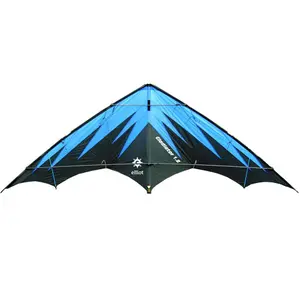


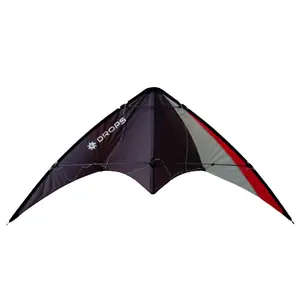
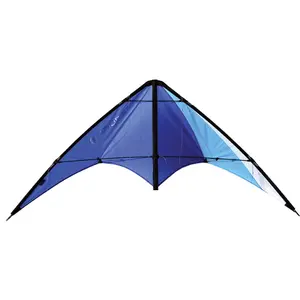
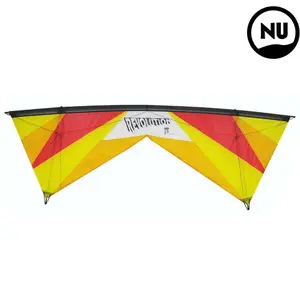
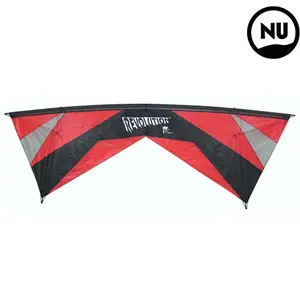
Starting at £173.43
£147.49
Starting at £173.43
£147.49
Starting at £173.43
£147.49
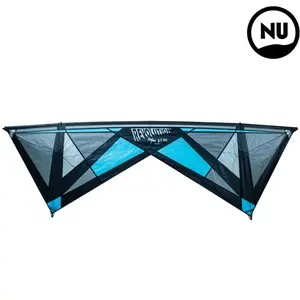
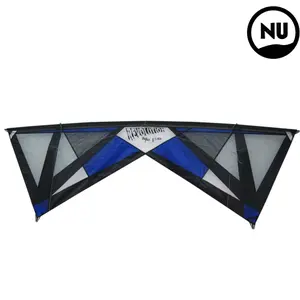
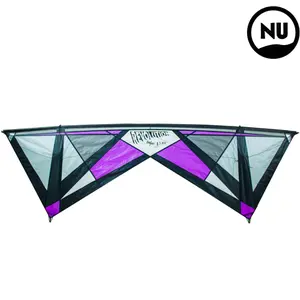
Starting at £331.85
£276.23
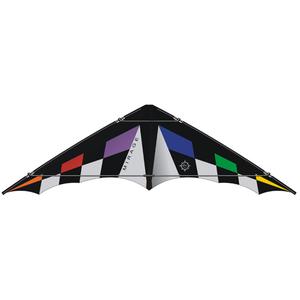
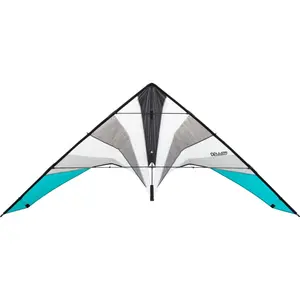

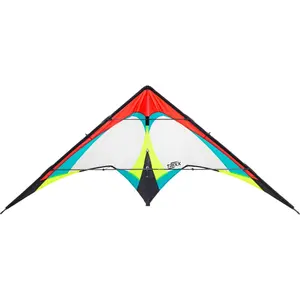
Starting at £173.43
£147.49
Starting at £173.43
£147.49
Starting at £173.43
£147.49
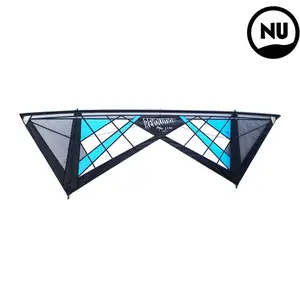
Starting at £360.20
£299.27

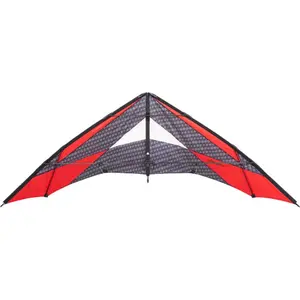
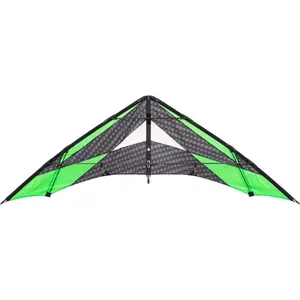

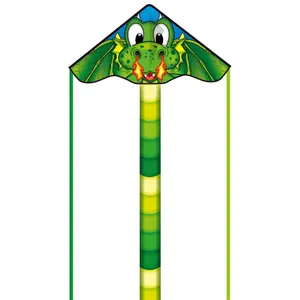
Watching a kite rise at the end of its line is a joy at any age. For a child, the choice comes down to one question: a single-line model, which flies almost by itself and can be held in one hand, or a two-line stunt kite, which takes coordination? With a steady wind and plenty of open space — a beach, meadow or large park — the first flight can be a success in just a few minutes.
One line, some wind, and the sky as your playground.
Which kite is right for your child’s age?
Between the ages of three and six, a single-line kite is the best choice: the child holds the handle while an adult launches the kite and manages the wind. Animal shapes, such as butterflies, birds or fish, are often stable single-line kites designed to fly in a light breeze. At around seven or eight, children can launch their single-line kite on their own and try beginner models that can be steered a little by pulling on the line.
A two-line stunt kite, which can make loops and perform tricks, requires children to tell left from right and cope with the pull. It is better suited to children aged around ten and over, starting with a small wingspan and under adult supervision.
Kites among beach toys
Kites are part of the beach and sandpit toys range, where buckets, spades and moulds come into play when the wind drops. The latest outdoor products are featured on the new outdoor and sports products page.
What wind is best for flying a kite?
A child’s single-line kite flies best in a light to moderate wind, force 2 to 4 on the Beaufort scale, or around six to twenty-eight kilometres per hour: leaves rustle and then move constantly, and small branches start to sway. In lighter winds, the kite falls back down; in stronger winds, it dives and pulls too hard for a small hand. Avoid gusty winds, which are common near buildings and hedges and can make the kite spin around. At the beach, the steady sea breeze is ideal: with their back to the wind, the child lets out the line while an adult releases the kite a few metres away.
Assembling and launching a kite
Most children’s kites arrive pre-assembled: you just need to slide the fibreglass, carbon or wooden rods into their sleeves and connectors, then attach the line to the bridle, the small set of strings that adjusts the kite’s angle to the wind. Attach the tail if the model has one: it helps flat kites fly steadily.
To launch the kite, the child stands with their back to the wind, with about ten metres of line let out. The adult holds the kite facing them and lets it go without throwing it: the wind will lift it. If it spins around, lengthen the tail; if it won’t climb, wait for a stronger breeze or move to a more open spot.
When to give someone a kite
A kite makes a lightweight gift that can wait patiently for spring. At Black Friday and over the festive season, it slips easily into a stocking, then the winter sales and spring French Days come just before the first beach weekends. During the summer sales, before a seaside holiday, and at the start of the school year, look out for outdoor and sports clearance deals and the special offers page.
Flying safely: power lines, storms and passers-by
Never fly a kite near power lines: a wet line or one caught on a power line can conduct electricity. If the kite gets caught, let go and contact the network operator. Never try to retrieve it. Put the kite away as soon as a storm threatens, too. Choose an open space away from trees, roads and railway lines, well clear of airfields, and check that nobody is beneath the kite or in line with the string. When using a stunt kite, gloves protect hands from line burns, and children should never wrap the line around their wrists or fingers.
Frequently asked questions
How do you make a kite with a child?
Cross two lightweight wooden rods, placing the shorter one a third of the way down the longer one, then tie their ends together with taut string. Cover the frame with tissue paper or a cut-up plastic bag, add a long tail and attach a bridle to hold the line.
How long should a child’s kite line be?
A line measuring twenty to thirty metres is enough to get started: the child can keep the kite in sight and bring it back easily. Single-line kites often come with a line wound around a handle or winder, which is easier to hold than a simple spool.
How do you repair a torn kite sail?
A small tear can be repaired with sail or tent repair tape, applied to both sides on a clean, dry surface. A broken rod can be replaced with one of the same diameter and material, sold separately.
Can a kite fly in calm weather?
No, it needs at least a steady breeze. In very light winds, a child can run to create airflow, but the kite will fall as soon as they stop. It’s better to wait for a breezy day, which is often windier by the sea in the afternoon.
What kite shape is suitable for a six-year-old?
At six, a large single-line diamond, delta or animal-shaped kite that is stable and comes with a line on a handle is the safest choice. A delta kite, with its triangular wing, launches in a light breeze and is forgiving if the launch isn’t quite right.













