
Sandpit and buckets for playing in the garden or at the beach
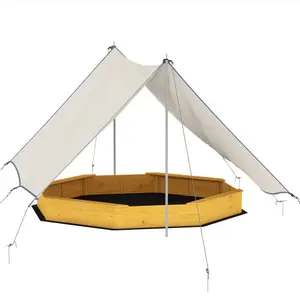
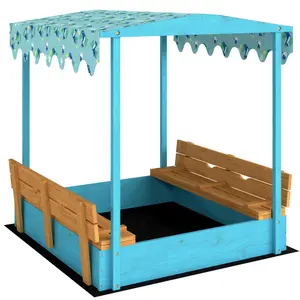


Filling, sieving, moulding, turning out: the sandpit is one of a young child’s first places to experiment, and the bucket is their favourite tool. In the garden, a sandpit with a lid keeps the sand clean from one week to the next; at the beach, a sturdy bucket and a spade in hand are all they need to build sandcastles. Choosing a sandpit, the amount of sand, hygiene and equipment: here are the essentials.
A child’s first building site, in the open air.
Which sandbox should you choose for the garden?
The wooden sandbox, often square or hexagonal, fits in well with the garden. Choose wood treated for outdoor use, with sanded edges and corner seats where your child can sit and play. On some models, the lid folds out into two benches with backrests. The plastic sandbox, shaped like a shell or a turtle, is lighter, easy to empty and move, and fits neatly on a patio.
In all cases, a lid or securely fastened cover is essential. In a sandbox without a base, a geotextile membrane lets rainwater drain away while limiting weeds growing through the sand.
Kites and other outdoor games
The beach breeze is also ideal for flying kites: the Kites page features single-line models for beginners and stunt kites for older children. To round off sand play, Water games and swimming pools brings together paddling pools and above-ground pools, while Playhouses / Wendy houses features play shelters to set up near the sandbox.
How much sand to put in the sandbox, and what kind?
Allow for a layer of twenty to thirty centimetres so your child can dig. The calculation is simple: a sandbox measuring one metre by one metre, filled to a depth of twenty centimetres, needs 0.2 cubic metres, or about three hundred kilos of sand, often sold in twenty-five-kilo bags. Choose play sand that is washed and sieved, with rounded grains: it sticks just enough for moulding, stains clothes less and contains no stones or debris. Building sand, which is angular and dusty, is not suitable. Slightly damp sand is easier to mould: a quick watering before play is enough, then let it dry before closing the lid.
Sandbox hygiene: lid and changing the sand
An uncovered sandbox attracts cats, and their faeces can transmit parasites that cause toxocariasis, an infection that mainly affects young children, who are quick to put their fingers in their mouths. Prevention comes down to three steps: cover the sandbox after each use, remove any faeces and the surrounding sand with a shovel, and wash your child's hands after playing.
Rake the sand from time to time to air and dry it, remove leaves and debris, and replace it completely every one to two years, or straight away if it has been soiled. Rinse the toys with clean water before storing them in a net bag.
Sandboxes and buckets: when to buy them
A sandbox is set up in spring, but it’s worth getting ready well in advance. Black Friday and the festive season are a chance to put a sandbox or a beach set under the tree, ready to assemble as soon as the weather turns fine. The winter sales, followed by the spring French Days, come before the first garden play, alongside the latest outdoor products. During the summer sales, just before a seaside holiday, and then at the start of the school year, the outdoor clearance offers end-of-line products.
The bucket: an essential for the beach and garden
A good beach bucket has a sturdy handle attached at two points, a thick base and a rim with no sharp edges. At two or three years old, a small size that your child can lift when full of water or wet sand helps avoid frustration; later on, a bigger bucket can be used as a castle tower mould. Japanese brand Hachiman makes its lidded Omnioutil buckets from polypropylene, in mini and large sizes, and they can withstand temperatures from minus twenty to one hundred and twenty degrees. At the beach, the lid keeps snacks and toys free from sand, and the large bucket can even be turned upside down and used as a stool. Add a spade, a rake, a sieve and a few moulds, and rinse everything with fresh water when you get home.
Frequently asked questions
At what age can a child play in a sandbox?
As soon as they can sit up steadily on their own, at around nine months to a year, with close supervision as they still put everything in their mouth. Check the age guidance on sand toys: small moulds and detachable accessories are not suitable for children under three.
Where should you place the sandbox?
Choose a flat spot where you can see it from the house and which is partly shaded: sand in full sun can get scorching hot in the afternoon. A parasol provides shade; however, avoid placing it under a tree that drops fruit or sap.
How can you stop sand getting into the house?
Let the sand dry on your child, then shake their clothes over the sandbox before going inside. A mat by the door and rinsing their feet with a watering can will catch the rest; a dry towel easily brushes sand off their skin.
Can you put beach sand in a sandbox?
It’s best to avoid it: coastal sand contains salt, broken shells and debris, and taking it from the beach is regulated. Washed and sieved play sand, sold in a bag, is cleaner and more pleasant to touch.
How do you clean plastic beach toys?
Rinse them with fresh water after each trip to remove salt and sand, then leave them to dry in the shade before storing them in a net bag. Now and then, a soak in warm, soapy water followed by a rinse is enough to make them look like new.











