
Baby shoes on sale, from slippers to trainers
The sale on baby shoes at Sneakids covers all stages, from babies who aren’t walking yet to children who are running: soft leather booties Les Pas Petits, hook-and-loop trainers Victoria, Shoo Pom and Pom d'Api, wellies Méduse and sandals Geox. A chance to plan ahead for the next size, by measuring your child’s foot carefully.
The right step, in the right size.
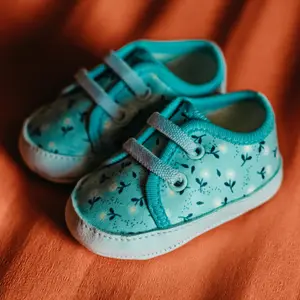
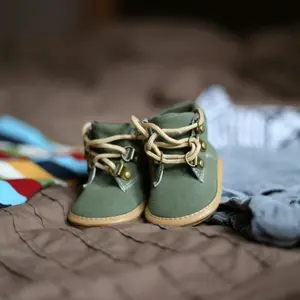
What shoe size for a baby? Measure before you buy
Shoe size is measured, not guessed. Place your child’s foot on a sheet of paper while they’re standing, with their heel against the wall, and mark the end of their longest toe. Add about a centimetre for growing room, then multiply by one and a half: French shoe sizes are based on the Paris point, which is two-thirds of a centimetre. A foot measuring twelve centimetres is therefore roughly a size twenty.
Before the age of three, a child’s foot can grow by a shoe size every two or three months. Check regularly, as toddlers rarely complain about shoes that are too tight: red marks on their toes or an unsteady gait are often signs.
Trainers or other styles: the two types of baby shoes
For a quicker search, the Trainers page brings together hook-and-loop and lace-up styles for first steps, nursery and the park. You’ll find everything else on the Other shoes page: indoor slippers, wellies, winter boots and summer sandals.
Before and after those first steps: what little feet need
Until your baby can walk, they don’t need rigid shoes: soft slippers, such as the leather ones from Les Pas Petits, keep their feet warm while letting their toes move freely. At home, walking barefoot or in slippers helps your child find their balance and strengthen the arch of their foot.
Their first outdoor shoes are needed once they can walk on their own. Look for a flexible sole that bends at the front, a firm heel counter to support the heel, and a hook-and-loop fastening that adjusts over the instep. The Joggy Scratch by Shoo Pom, a French brand, or the Yaka Star by Pom d'Api fit the bill.
Baby trainers: canvas, leather or suede
Trainers are the shoes babies wear most often day to day. Victoria, a Spanish brand that has been making trainers since 1915, offers the Tribu in contrasting suede or with metallic stripes, and the Tiempo Tiras with a shiny finish. Canvas is lightweight and breathable, while leather and suede hold up better to sandpits and pavements.
The big sportswear brands have baby versions too: adidas’ Runfalcon comes in a Spider-Man design, the Duramo is lightweight, and the Puma Smash takes its cues from tennis shoes. Always choose hook-and-loop fastenings over laces before school age: children quickly learn to put their shoes on by themselves.
Replacing baby shoes as the seasons change
When a child’s feet change shoe size several times a year, every key moment matters. Black Friday comes around in time for ankle boots, while the festive season is the time to give slippers. The winter sales are a good time to pick up boots and closed shoes, the spring French Days get you ready for sandal season, summer sales clear out open styles, and the start of nursery calls for a new pair of trainers. Keep an eye out for deals.
Frequently asked questions
What age is a size twenty?
A size twenty often fits a child between twelve and eighteen months, but feet vary a lot. Always measure your child’s foot rather than going by their age, and measure again every time you buy shoes.
Should I choose different shoes for a girl or a boy?
No, a baby’s feet have the same needs regardless of sex: flexibility, heel support and a good fit. Only the colours and details change, and many styles come in shades that suit everyone.
How can I tell if my baby’s shoes are too small?
Press your thumb against the end of the shoe while your child is standing: there should be about a centimetre of space in front of their longest toe. Red marks after taking the shoes off, a child who keeps pulling their shoes off or trips more often are also signs.
Can I give my baby shoes that an older child has already worn?
It’s not recommended for walking shoes, as the sole and inside retain the imprint and wear from the first foot. For slippers or wellies that have been worn very little and are in good condition, it’s still fine.
What width should I choose for chubby feet?
Babies often have wide feet and a plump instep: choose shoes with a wide opening and hook-and-loop fastenings, or a wide-fit style such as some versions of the Tribu by Victoria. Your child should be able to put the shoe on without forcing it.













