
Baby trainers on sale for confident first steps
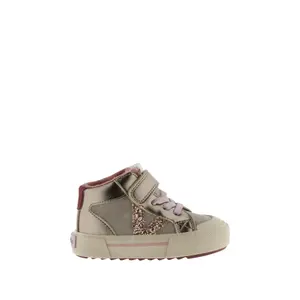
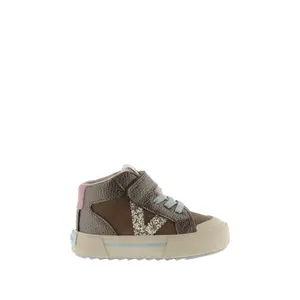


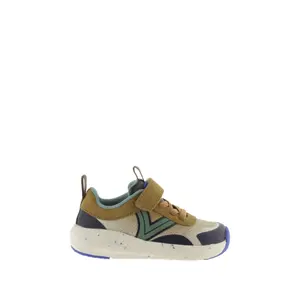
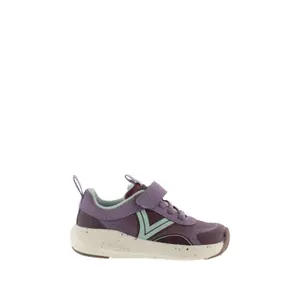
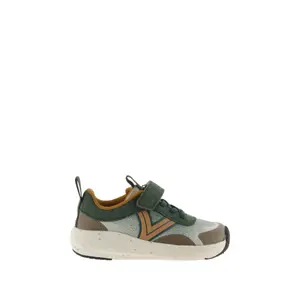
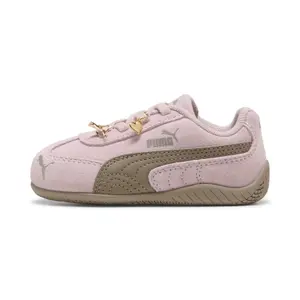


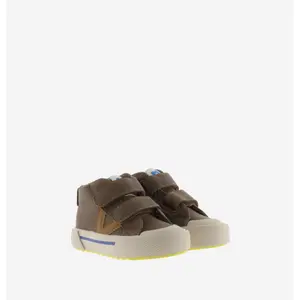


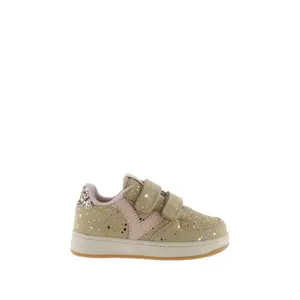
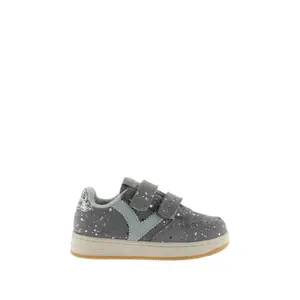


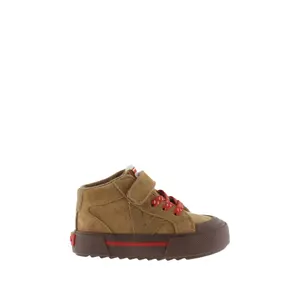
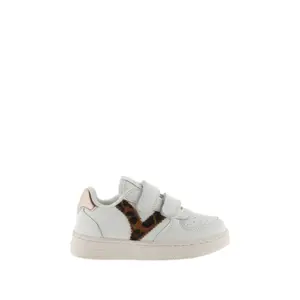

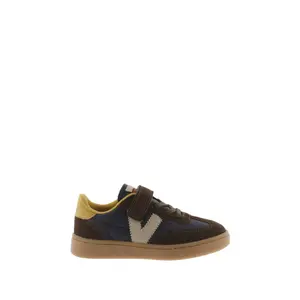
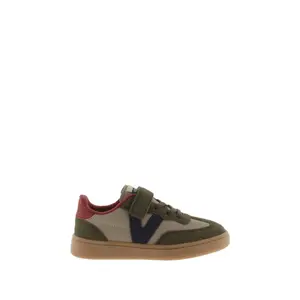
During the sales, baby trainers from brands parents know change in price, not in how they’re made: Victoria’s suede Tribu, Shoo Pom’s zipped Bouba, Puma, adidas and Pom d'Api styles with hook-and-loop fastenings, or the softer pairs from Bisgaard and Titanitos. A chance to find the right size for a child who’s already walking.
The right size first, the right bargain next.
What shoe size to buy in the sales for a baby who is walking
Buying in advance is tempting during the sales, but a baby’s trainer does not take well to being bought ahead of time. Before the age of three, feet often grow by a shoe size every few months: a pair bought two sizes too big will still be too large when it needs to be worn, and a foot that slips around can make a child who is still finding their feet trip.
Instead, measure the foot while your child is standing, at the end of the day. Trace from the heel to the longest toe, then choose the size that leaves about one centimetre of room. For the following season, buying just one size up is still reasonable; beyond that, it’s better to come back later.
Other baby shoes in the sales
Trainers are not suited to every situation for a child who is just learning to walk. For home, nursery or rainy days, the page other baby shoes in the sales brings together styles that aren’t trainers: slippers with flexible soles for feet that are still developing, taller boots for winter and sandals for warmer days. The same guidelines apply, from measuring the foot at the end of the day to leaving a centimetre in front of the toes, and most of the brands on this page also offer their styles there.
Hook-and-loop straps, zips or elastic laces: choosing a fastening for their age
The fastening matters as much as the sole for a toddler, because it affects how long it takes to put their shoes on and how well the shoe stays on their foot. The hook-and-loop strap, found on Puma’s Smash Dino or Victoria’s Tribu Tira, adjusts with one quick movement and suits a chubby instep. Shoo Pom’s Bouba styles have a side zip that opens the upper wide, making it easy to slip the foot in without bending the toes.
Elastic laces, as on adidas’ Spider-Man Runfalcon, give them the look of proper big-kid trainers without any knots to redo. Paired with a strap, they keep the shoe on during a run around the park.
Suede, canvas or wool: choosing an upper to suit a baby’s foot
Victoria, a Spanish brand founded in 1915, makes the Tribu in contrasting suede and offers it in a Horma Ancha version, meaning it has a wide fit: a good option for wide or chubby feet. Suede is soft from the first day but doesn’t like mud; a crepe brush and waterproofing spray will restore its appearance.
Shoo Pom, founded in 2013 by the Vendée group that was behind Pom d’Api, lines some styles with wool for winter, such as the Bouba Scratch Wool. Bisgaard, a Danish brand, has its shoes handmade in Portugal, while Spanish manufacturer Titanitos makes very flexible soles that move with the foot rather than restricting it.
Baby trainers throughout the year
At this age, trainers need replacing several times a year, making every sales event worthwhile. Black Friday and the festive season come just as it’s time to switch to lined styles, then the winter sales bring cold-weather pairs back into the spotlight. The spring French Days often coincide with first steps outdoors, the summer sales are a good time to look for lightweight styles, and back-to-school season gets little ones ready for nursery or reception. Between these periods, the special offers page brings together one-off deals.
Frequently asked questions
At what age should a baby wear trainers?
When they take their first steps on their own and start walking outdoors. When crawling or at home, barefoot or in soft slippers, their feet develop better; trainers protect them on tarmac, gravel or wet grass.
How can you wash baby trainers without damaging them?
Remove the insole, then clean the upper with a soft brush and soapy water. Brush suede once the mud has dried. Leave the shoes to air-dry away from a radiator, and avoid the tumble dryer, which can warp the sole.
Should a baby’s trainer have a stiff heel?
Yes, a firm heel counter supports the heel and helps steady their steps. The front, however, should bend easily at the toes: bend the shoe by hand in the shop or when it arrives, and it should give without much effort in that area.
Can you return a pair bought in the sales if the size is wrong?
Yes. For an online purchase, the 14-day right to cancel also applies during the sales. Have your child try the shoes on indoors, on a clean floor, and keep the box so you can return them in good condition.
Should babies wear socks with trainers?
It’s best to: socks absorb sweat, which is common in very young children, and reduce rubbing. Choose thin socks without a bulky seam at the toe, then check when trying the shoes on that there’s still room in front of the toes.











