
Girls’ hats on sale, warm and just the right size
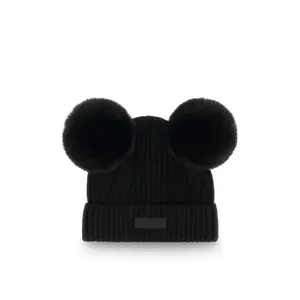
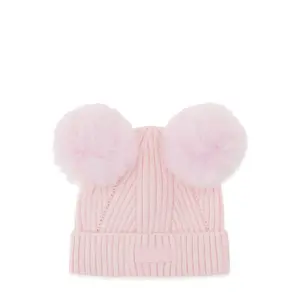
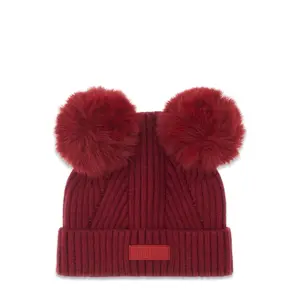
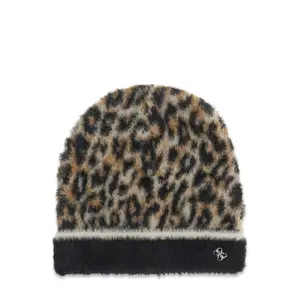


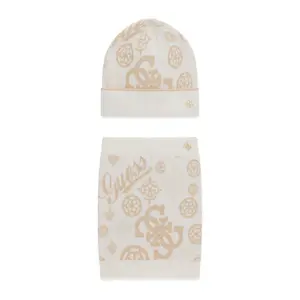


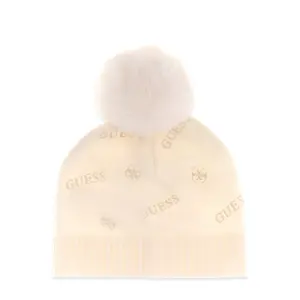
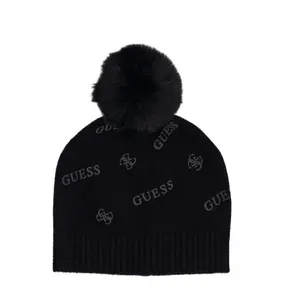
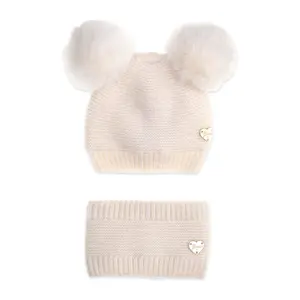
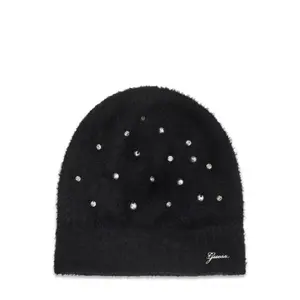
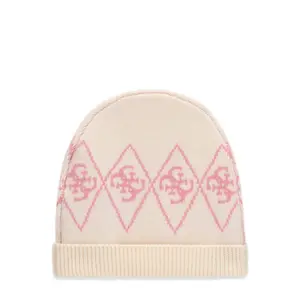
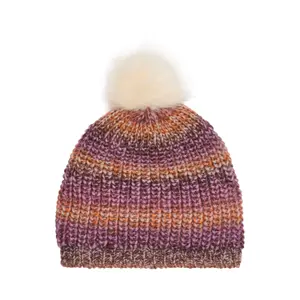


In the sales, choose a girls’ hat from the pom-pom knits by Barts, such as the Nicole, Akeya or Dahlea, the Guess styles with leopard print, flocked patterns or shiny yarn, or the Pilkutus by Reima, designed for very cold weather. A well-chosen hat covers the ears, doesn’t itch and stays in place during break time.
First the right head size, then the right style.
What head size for a girl's hat
Choose a hat by head circumference, measured with a soft tape measure running across the forehead, just above the eyebrows, and around the widest part of the back of the head. Brands often show their sizes as a range in centimetres or by age group.
As a guide, head circumference is around 51 centimetres at about four years old, 53 at eight and 54 to 55 in early adolescence, though it varies greatly from child to child. As knitwear stretches, a slightly oversized hat is more comfortable than one that is too small, which rides above the ears at the first movement.
Scarves, gloves and accessories to go with the hat
A hat is often paired with matching knitwear. Girls' scarves and gloves on sale make it easy to put together a set, such as the Doozy scarf by Barts, which matches the hat of the same name. When warmer weather returns, caps take over as headwear, while sunglasses are handy for trips to the snow or the beach.
Wool, acrylic, fleece lining: warm without the itch
Wool is a great insulator and stays warm even when slightly damp, but some children find it itchy on the forehead. Acrylic fibres, common in children's hats, feel softer, are lightweight and easy to machine wash, although they are less breathable.
For sensitive skin, a fleece lining on the forehead band or throughout the hat is often the best option: it adds warmth, blocks the wind around the ears and prevents direct contact with the knit. Also check the inner seams, which should lie flat so they don't mark the skin under a hood.
Pom-poms, leopard print and glittery yarn: hat styles
At Barts, a Dutch winter accessories brand, girls' hats feature ribbed or cable knit and pom-poms, often made from faux fur, in soft shades that are easy to match with a coat.
Guess treats the hat as a fashion accessory: leopard print, a flocked pattern repeated all over, or glittery yarn that catches the light, for a girl who likes to show off her style. The Reima hat focuses more on function than decoration, with a shape that covers the ears well for playing in the snow or waiting outside for a long time.
Girls' hats throughout the year
It's best to buy a hat before the first cold weather, but they often get lost during the winter. Black Friday and the festive season offer an early opportunity, with hats that are easy to pop under the Christmas tree, then the winter sales are a chance to get another if one goes missing. The spring French Days and summer sales are mostly for end-of-line items, while back-to-school signals the return of knitwear. In between, special offers bring together the latest deals.
Frequently asked questions
Should a hat cover the ears completely?
Yes, in cold weather: ears have little fat to protect them and get cold very quickly. The edge should reach the earlobe without covering the eyes; a turned-up brim adds a double layer there.
How do you wash a hat with a faux-fur pom-pom?
Remove the pom-pom if it's attached with a popper, then hand-wash the hat or use a delicate cold wash. Dry it flat and fluff up the pom-pom with your fingertips so it gets its volume back.
Can you wear a hat under a ski helmet?
No, a thick hat stops the helmet from fitting properly and reduces its protection. If your daughter is cold, a thin balaclava or a liner designed for this purpose is suitable, and the helmet can then be adjusted to fit her head.
Why does my daughter's hat make her itchy?
Coarser wool fibres irritate sensitive skin, especially on the forehead. Finer wool, a fleece-lined style or a soft synthetic fibre will usually solve the problem.
Should you buy a hat one size bigger?
Not necessarily: knitwear stretches, and a well-fitting hat stays in place better. However, if your daughter is at the top of the size range, the next size up should last her two winters without slipping over her eyes.











