
Girls’ sunglasses on sale, for protected eyes
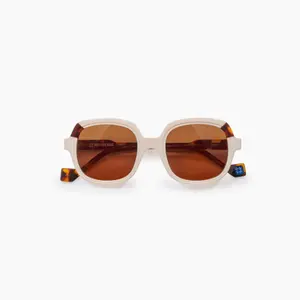
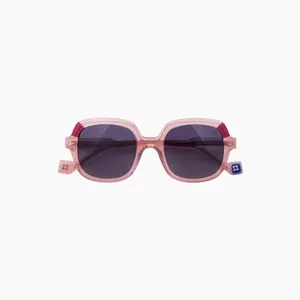
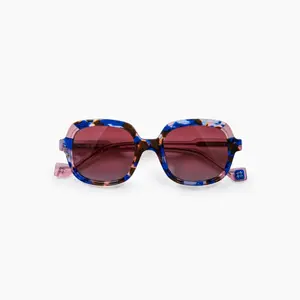
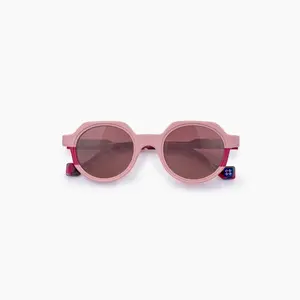


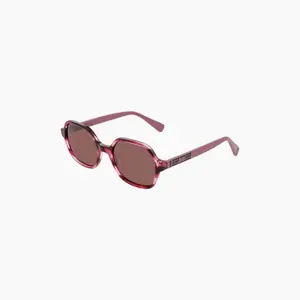
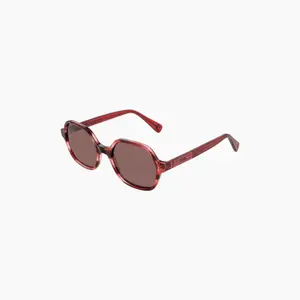
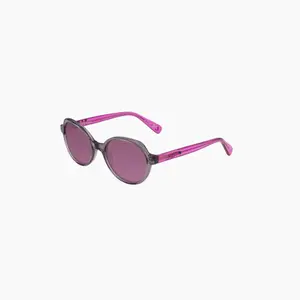
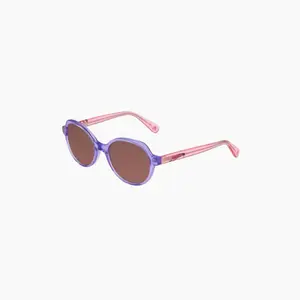
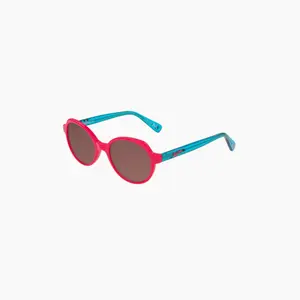
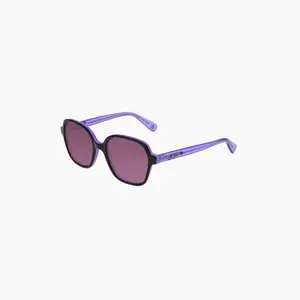
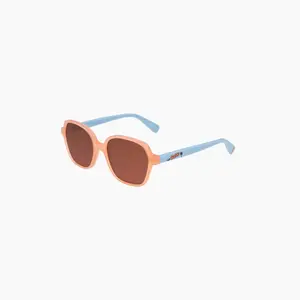
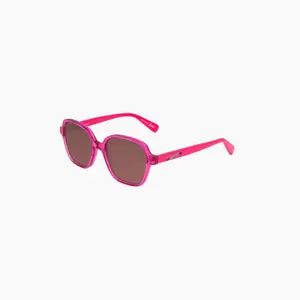
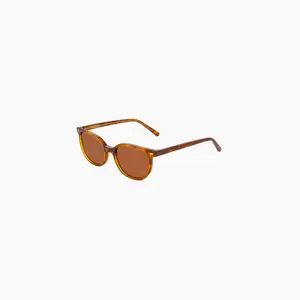
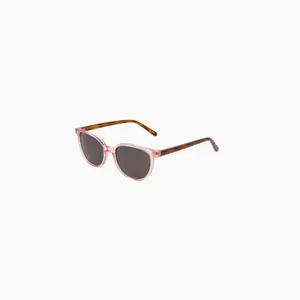
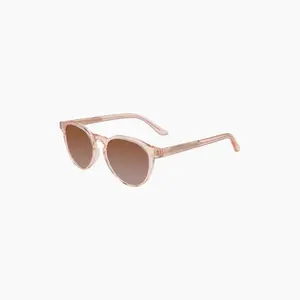
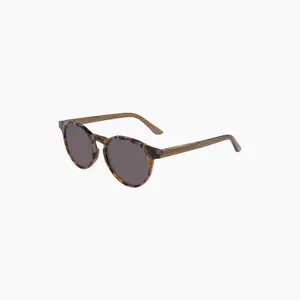
During the sales, get girls’ sunglasses ready for summer or a ski holiday. A good pair for children filters out all UV rays, carries the CE mark, shows the lens category and has a flexible frame that can withstand drops and stays in place during play. Style comes next, and it’s often what convinces your daughter to keep them on.
Protection first, style second.
Which lens category for a girl in the sun?
The European standard EN ISO 12312-1 classifies sunglass lenses from category zero to category four, according to how much visible light they block. Categories zero and one are for comfort in overcast weather, while category two is for average sunshine, in town or in the countryside.
Category three is the go-to choice for a child at the beach, by a lake or in the mountains in summer: it is suitable for bright light. Category four, reserved for exceptional brightness such as on a glacier or at high altitude, is only needed in these situations. All sunglasses must carry the CE marking, which shows they meet European requirements.
Caps, hats and other accessories for girls
Sunglasses protect the eyes, but the face also needs shade. Girls' caps in the sale add protection with their peak, ideal in the playground or at the beach. For snowy holidays, when sunglasses are still essential, hats and scarves and gloves complete the rest of the kit.
Why children's eyes are more exposed to UV
A child's crystalline lens is more transparent than an adult's, allowing more ultraviolet rays to reach the retina. Children also spend more time outdoors, often when the sun is at its highest, and cumulative exposure during childhood matters for eye health in the long term.
Reflection makes exposure worse: sand, water and especially snow reflect some UV rays towards the face, even in the shade of a parasol or in overcast weather. That's why sunglasses are as useful on a school ski trip as they are at the beach, and why a peak on its own isn't enough against a bright, reflective surface.
Frames, lenses and fit: a pair that stays on
Children's frames need to withstand being dropped and squashed in a bag: flexible materials and flexible hinges hold up much better than thin metal. Polycarbonate lenses, which are lighter and more impact-resistant than mineral glass, are standard for younger children.
Shape matters too: a wraparound frame limits light coming in at the sides, while arms that follow the backs of the ears stop the glasses slipping when a child runs. Polarised lenses reduce glare on water, making them more comfortable, but polarisation alone does not provide UV protection: always check the protection marking.
Girls' sunglasses throughout the year
Children's sunglasses can get lost, damaged or become too small, and often need replacing from one year to the next. Black Friday and the festive season are a good time to get ready for a snowy holiday, then the winter sales coincide with ski trips. The spring French Days come before the first sunny days, the summer sales fall in the middle of beach season, and back-to-school is a good time to find end-of-line pairs. The special offers bring together the other deals.
Frequently asked questions
At what age should a child wear sunglasses?
As soon as she is exposed to strong sunlight, at the beach, in the mountains or out walking in summer. For very young children, start with shade, then try sunglasses with an elastic strap that stay in place without arms.
What does the UV400 marking on sunglasses mean?
It means the lenses filter ultraviolet rays up to a wavelength of 400 nanometres, covering both UVA and UVB. Look for this marking on the label, whatever the lens tint.
Do very dark lenses protect the eyes better?
Not necessarily: tint reduces visible light, not UV rays. A dark lens without a UV filter is actually dangerous, as the pupil dilates behind it and lets in more ultraviolet rays.
My daughter wears prescription glasses: what can she use in the sun?
An optician can make sunglasses to her prescription, or lenses that darken in the light. Over-glasses or clip-on sunglasses are handy for holidays, as long as they cover the prescription frames properly.
How can I clean children's sunglasses without damaging them?
Rinse them under lukewarm water with a drop of mild soap, then wipe with a clean microfibre cloth. Avoid using a T-shirt or a paper tissue, as the fibres and dust particles can scratch the lenses.











