
Mules, espadrilles and boat shoes for girls

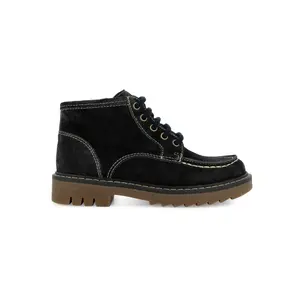


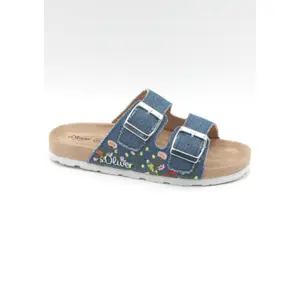


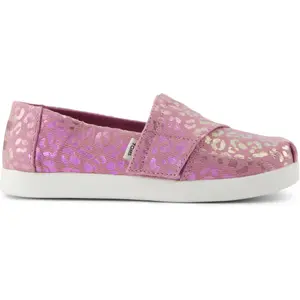


During the winter and summer sales, this page brings together other girls' shoes—the ones that aren't trainers, boots or sandals: slip-on mules by Bopy, velvet boat shoes by Pom d'Api, canvas espadrilles by Toms, as well as water shoes and hiking styles when available.
A pair for every occasion.
Mule, espadrille or boat shoe: what each style is for
Each of these shoes has a specific use. A mule, open at the back, slips on hands-free: perfect at home, after a trip to the beach or for a short outing. It doesn’t hold the foot as securely as a closed shoe and isn’t suitable for running around the playground.
An espadrille is recognised by its braided rope sole and canvas upper; it is worn barefoot in warm weather. A boat shoe, meanwhile, is a closed, lace-up shoe that’s smarter and is worn in town in spring and autumn. The Sid Lace Plato by Pom d'Api features a velvet upper and a chunky sole.
Other girls’ shoes in the sale
If you’re looking for a more classic shoe, the nearby pages have you covered. Girls’ trainers are ideal for school and sport, with hook-and-loop fastenings for little ones and laces for older girls. Boots and ankle boots protect against rain and cold, while sandals and flip-flops are perfect for holidays, from the beach to summer club.
Espadrilles, from jute rope to the Toms Classic
The espadrille originated on both sides of the Pyrenees, and the French Basque Country made it a speciality around Mauléon. Its traditional sole, made from braided jute rope and stitched to a canvas upper, is lightweight and lets the foot breathe, but it doesn’t like water: avoid wearing it in the rain and let it air-dry if it gets wet.
Californian brand Toms, founded in Los Angeles in 2006, made the espadrille its signature style, inspired by the alpargata, a canvas shoe worn in Argentina. Its printed Classic version slips on like a slipper and can be worn with or without socks.
Boat shoes and mules: fit and support
The boat shoe was developed in the United States in 1935 by Paul Sperry, who cut fine grooves into the sole to stop it slipping on a wet deck. The children’s version keeps the leather lace that wraps around the upper and lets you adjust the fit over the instep. Choose the exact size: the foot shouldn’t slide forwards.
For a mule such as the Essabo by Bopy, a French children’s footwear maker, check that the toes don’t stick out and that the heel sits fully on the sole. A mule that’s too big slips off with every step; one that’s too small makes the heel overhang. There should be very little extra room, just a few millimetres.
Mules and espadrilles at the best times of year
Lightweight shoes are often bought out of season. Black Friday and the end-of-year holidays are a chance to get a smarter pair, while the winter sales are a good time to buy boat shoes for the in-between seasons. The spring French Days and summer sales then come just before the holidays, at the perfect time for espadrilles and mules. At back-to-school time and throughout the year, special offers are another way to save.
Frequently asked questions
Are espadrilles suitable for a little girl who runs around a lot?
For a day spent running around the playground, a closed shoe with a rubber sole is a better choice. Espadrilles are softer and provide less heel support, so they’re best for walks, days in town or a summer wedding.
Should you wear socks with boat shoes?
Traditionally, boat shoes are worn barefoot, but for a child wearing them all day, an invisible cotton trainer sock helps reduce sweating and rubbing at the heel.
How do you care for velvet shoes?
Brush them dry with a soft brush to lift the pile, and dab any stains with a barely damp cloth. If they get wet, stuff them with paper and leave them to dry away from a source of heat.
Which shoes are best for walking on pebbles or rocks?
Water shoes, with a quick-drying textile upper and a flexible, non-slip sole, protect against stones, shells and hot sand. They can be worn in the water and rinsed with fresh water after swimming.
Can a mule be worn to school?
It’s not recommended: without heel support, a child could trip on the stairs or lose their shoe in the playground. Save mules for home, the beach and short outings.











