
Girls’ trainers on sale, from hook-and-loop to lace-up styles


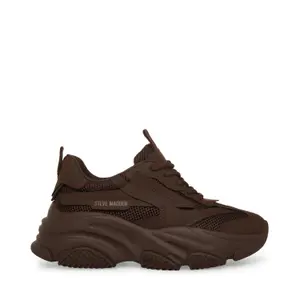


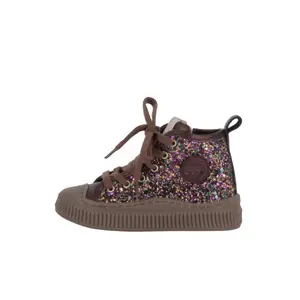
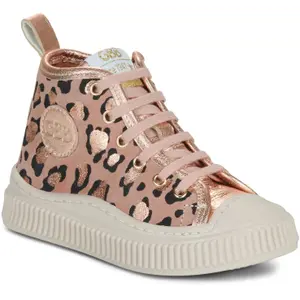


Girls’ trainers sales return in January and then at the end of June, each time for four weeks. They include canvas plimsolls from Victoria, Skechers with cushioned soles, Geox with breathable soles, and retro styles from Puma and Kickers, with Velcro straps for younger children or laces for schoolgirls who can tie their own.
One pair of trainers for school, another for everything else.
Velcro or laces: which trainers to choose by age
The type of fastening you choose mainly depends on how independent your daughter is. In nursery, Velcro is the obvious choice: your child can put her shoes on by herself after a nap or a movement session, and the strap can be adjusted to fit narrow and wide feet. Elastic laces with a Velcro strap are a good compromise at around five years old.
Most children learn to tie their laces between the ages of five and seven. From then on, classic lace-up trainers hold the foot more securely, especially when running, as you can tighten them more across the instep. In all cases, check that the heel is held firmly by a sturdy heel counter that does not give way when pressed with your thumb.
Complete the outfit with another pair in the sale
One pair of trainers won’t see you through the whole winter or summer. For rainy days and cold weather, girls’ boots and ankle boots keep feet dry. For the holidays, sandals and flip-flops let feet breathe, while the other shoes page has mules, espadrilles and boat shoes.
Victoria canvas, Skechers cushioning, Geox soles
Three different approaches cover most girls’ trainers. Victoria, a Spanish brand founded in 1915, sticks to canvas on a rubber sole: lightweight and easy to wash, its Tiempo, Oslo and Smash trainers come in faux-leather or patterned styles. Skechers focuses on comfort, with thick soles and, in the Uno Lite range, a visible air bubble under the heel.
Geox, founded in Italy in 1995, built its reputation on a perforated sole paired with a breathable, waterproof membrane, which is useful for feet that get sweaty in a heated classroom. As for Skechers, the leopard prints in the Uno Lite and Hotshot ranges are very popular with younger children.
How to wash girls’ trainers without damaging them
- Canvas: remove the laces and insole, then scrub with warm, soapy water using an old toothbrush. Simple canvas trainers can also go in the washing machine at 30 degrees, inside a laundry bag.
- Leather and synthetic materials: a damp cloth and a little mild soap are enough. Never submerge the shoe.
- Light-up soles: never put them in the washing machine, as the electronics won’t withstand it.
- Drying: leave them to air dry, stuffed with newspaper and away from radiators, which can loosen the sole and harden the rubber.
Girls’ trainers at reduced prices throughout the year
As children grow, their trainers need replacing several times a year, especially when they’re little. Black Friday and the festive season are a good time to give a pair of on-trend trainers, then the winter sales are a chance to replace a pair that’s getting tight. The spring French Days bring canvas trainers, while the summer sales are a good time to get ready for the new school year, when families often buy new school trainers. Special offers are available at other times of the year.
Frequently asked questions
Which trainers are best for PE at primary school?
For PE, choose trainers with a non-marking rubber sole, a flexible front and a secure heel. A pair kept just for the sports hall will stay clean and last longer.
Do high-top trainers support the ankle better?
They protect the ankle bone from knocks and stop the shoe from coming off, but they don’t replace good lacing. For running and jumping, well-fastened low-top trainers are enough for a healthy child.
How can I tell if my daughter’s trainers are too small?
Take out the insole and have your daughter stand on it: there should be about a centimetre of space in front of her big toe. Redness on her toes or a child who takes her shoes off as soon as she gets home should be a warning sign.
Can I return a pair of trainers bought in the sale?
Yes. For an online purchase, the 14-day right to cancel also applies during the sales. Have her try the trainers on a clean floor and keep them in their box in perfect condition until you’re sure you have the right size.
From what age are thick soles suitable?
Thick, rigid soles can be uncomfortable for toddlers, who need to feel the ground. For a school-age girl who walks confidently, platform soles can still be comfortable if they bend at the front of the foot and aren’t too heavy.











