
adidas kids’ sale: from trainers to tracksuits



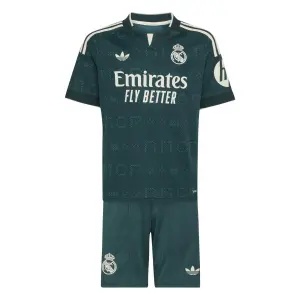

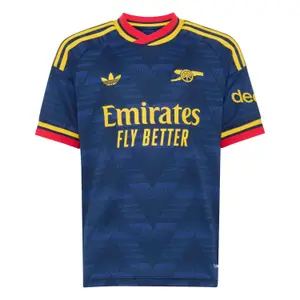

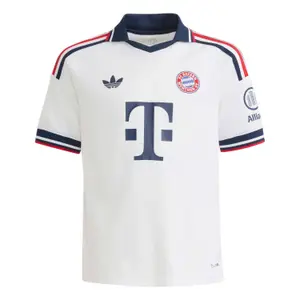


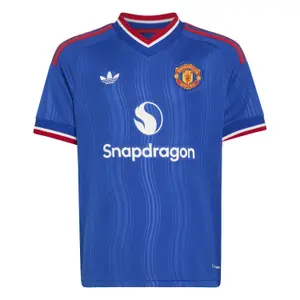
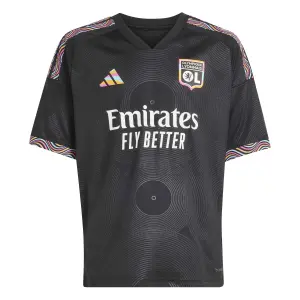


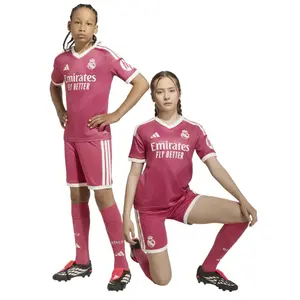

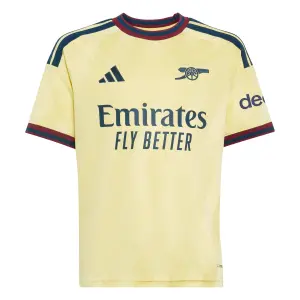
The adidas children’s sale features the three-stripe brand, founded in 1949 by Adolf Dassler in Herzogenaurach, Bavaria: trainers with hook-and-loop fastenings, elastic laces or regular laces, sports shoes, tracksuits, sweatshirts and tops. Sizes range from toddlers to juniors, with fastenings suited to how independent children are at each age.
Three stripes, from nursery to secondary school.
Samba, Gazelle, Spezial: classics born from sport
The most sought-after adidas trainers for children are sports shoes that have become street classics. The Samba made its debut in 1950 as a football boot for training on frozen pitches, hence its grippy rubber sole. The Gazelle, launched in 1966, was the brand’s first suede shoe, initially popular on indoor courts.
The Spezial was created in 1979 for handball, with a sole that grips gym floors. In children’s versions, these styles keep the low-cut shape of the originals, while the smallest sizes often swap laces for a rip-tape fastening or elastic laces that children can put on by themselves.
Other big brands in the sale
Other brands have their own sale pages. The Kickers page brings together ankle boots and leather shoes, while the Victoria page features the Spanish brand’s canvas trainers. Breathable shoes are on the Geox page, and clogs on the Crocs page. For cold weather, the Reima page brings together coats and snowsuits, while the Joie page features car seats and pushchairs.
adidas shoe size: measure your child’s foot before ordering
Shoe size is based on foot length, measured at the end of the day, with the heel against a wall, up to the tip of the longest toe. Compare this measurement with the adidas size guide, which gives the equivalent size in centimetres, then allow about an extra centimetre so the toes don’t hit the front when walking.
Styles inspired by indoor football, such as the Samba and Gazelle, have a narrow fit compared with running trainers. For a child with wide or thick feet, it may be worth going up half a size or a full size. Measure their feet again each time you buy shoes: young children’s feet can grow a size in just a few months.
adidas tracksuits and sweatshirts: sizing by age and height
adidas children’s clothing is labelled by age range and height in centimetres, with height being the more reliable guide: a child who is tall for their age should go by their height rather than their birthday. Tiro tracksuit bottoms, designed for football training, have zipped tapered ankles that fit over trainers.
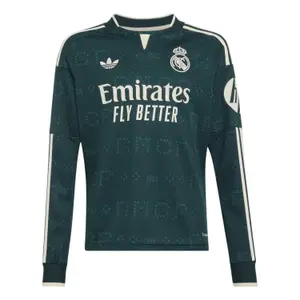
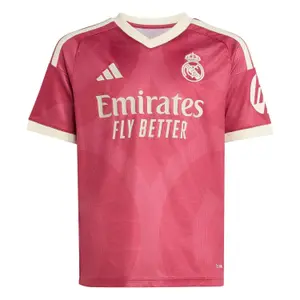
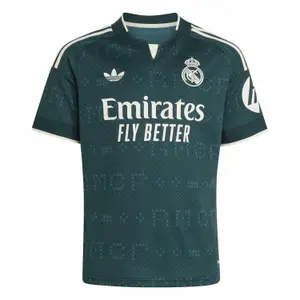
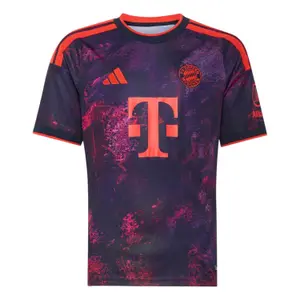
Hoodies and three-stripe tracksuit tops are easy to layer for school and sport. For young fans, adidas also makes shirts for the national teams and clubs it equips, in children’s sizes and team colours.
adidas at reduced prices, from Christmas to back to school
adidas trainers and shirts are much-anticipated gifts, and Black Friday and the festive season make it possible to give them at a reduced price. The winter sale includes tracksuits and jackets, followed by the spring French Days and summer sales before the back-to-school season, when it’s time to replace school trainers. Between these key shopping periods, the deals page brings together other discounts.
Frequently asked questions
Do adidas children’s trainers come up small or large?
They generally fit true to size, but narrow styles such as the Samba can feel tight on a wide foot. If you’re between sizes, choose the larger one; a thick insole can fill any extra space if needed.
How do you clean adidas suede trainers?
Suede shouldn’t be machine-washed: brush it while dry with a suede brush, remove stains with a suitable eraser and leave it to dry away from a radiator if it gets wet. Applying a waterproofing spray to a new pair helps prevent mud stains.
Is the Samba still suitable for playing football?
Its flat rubber sole works well indoors and on hard surfaces, but doesn’t grip on wet grass. For a club or a grass pitch, football boots with studs are still essential; the Samba is better suited to school.
Do adidas clothes shrink in the wash?
Polyester tracksuits keep their shape, while a cotton sweatshirt may lose a little length if washed at too high a temperature. Wash them at 30 degrees, inside out, and avoid the tumble dryer, which can also damage the stripes and printed logos.
At what age should children switch from rip-tape trainers to laces?
A child is ready for laces when they can tie a bow by themselves, which takes practice at home before they start doing it at school. Until then, rip-tape fastenings or elastic laces stop them walking around the playground with undone laces.











