
Crocs for children on sale: clogs, sizes and Jibbitz
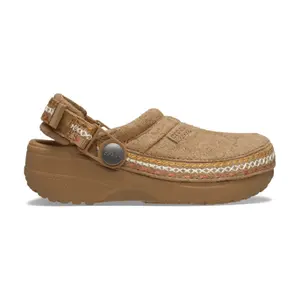
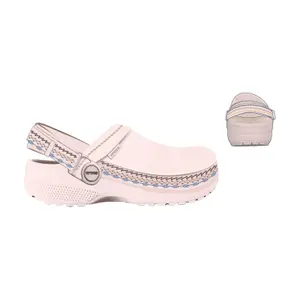


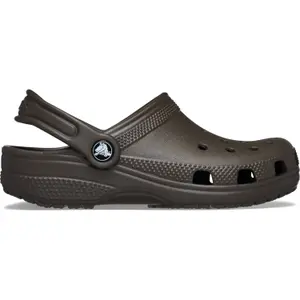
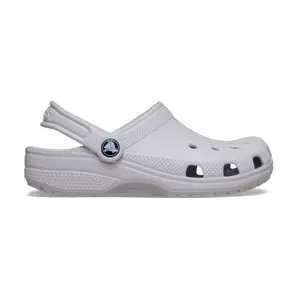
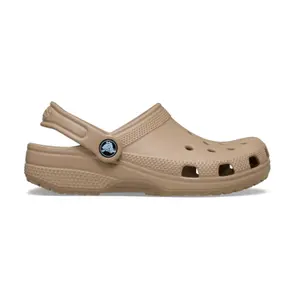


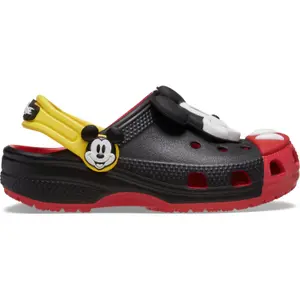


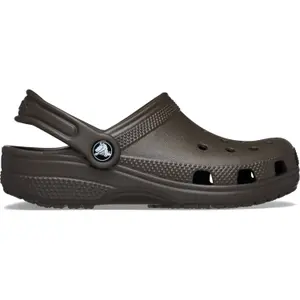


Children's Crocs sale covers the brand founded in Boulder, Colorado, in 2002, and its Classic clog made from Croslite, a lightweight, closed-cell resin that floats, rinses clean with water and dries quickly. For children, the clog comes in toddler and junior sizes, with a heel strap and holes for Jibbitz.
The lightweight clog for holidays and the garden.
Sizes C and J: how to read the clog size guide
Crocs doesn’t use European sizes directly for children. Sizes C, from C4 to C13, are for toddlers and young children. From J1 onwards, sizes J take over for older children once they’re past C13. Each size corresponds to two European sizes: C13 is equivalent to 30–31, for example, and J1 to 32–33.
The most reliable method is to measure your child’s foot in centimetres and compare the length with the brand’s size chart. The Classic clog has a roomy fit, leaving space for the toes. If your child has narrow feet and is between sizes, go for the smaller size so the clog doesn’t slip with every step.
Other top brands at reduced prices
The other brands in our selection have their own pages too. The adidas page brings together trainers, tracksuits and shirts, while the Victoria page features canvas trainers for summer. Find leather ankle boots on the Kickers page, and shoes with breathable soles on the Geox page. For winter, the Reima page has coats and snowsuits, while the Joie page has car seats and pushchairs.
Sport mode: keeping a running foot secure
The Classic clog’s pivoting strap has two positions. Folded forwards over the top of the foot, it leaves the clog open so you can slip it on and off in one go. Pulled behind the heel into sport mode, it keeps the foot in the clog for running, jumping or climbing without losing it along the way.
For a child, this is the position to use whenever they’re playing. The clog is still an occasional shoe, designed for the beach, swimming pool, garden or home. For long walks and PE, trainers that support the ankle and arch are a better fit for growing feet.
Jibbitz: personalise clogs safely
Jibbitz were created in 2005, when Sheri Schmelzer began decorating her children’s clogs with small charms pushed into the holes. Crocs bought the company in 2006. Cartoon characters, animals, letters or fruit turn every pair into a one-of-a-kind clog, and it’s often the child themselves who puts together their collection.
These charms are small objects that can come loose: keep them out of reach of children under three, who may put them in their mouths. For older children, check from time to time that they’re still firmly in place, especially after a day of playing in water or sand.
Reduced-price Crocs, from winter to the holidays
A pair of Crocs and a few Jibbitz make an easy gift to pick up during Black Friday or the festive season. The winter sales are a chance to get ahead for next summer, before the spring French Days, which come ahead of the first trips to the garden. The summer sales arrive just when clogs are most useful, at the beach and swimming pool, and the special offers page brings together other discounts right through to the start of the new school year.
Frequently asked questions
How do you attach a Jibbitz to a Crocs clog?
Gently fold back the edge of the hole, then push the Jibbitz button through from the outside until its base goes through to the other side. To remove it, push it from inside the clog rather than pulling on it, which could damage the hole.
How do you clean children’s Crocs?
Rinse them with cold or lukewarm water, a little soap and a soft brush. Avoid the dishwasher, tumble dryer and direct sunlight through a car window: heat can shrink and warp the resin.
Are Crocs allowed at school?
Each school sets its own rules, and some advise against clogs in the playground or ban them for PE. If your child wears them, putting the strap behind the heel helps prevent falls and stops the clogs coming off while they run.
Can you wear Crocs all day?
For a child, it’s best to save them for when their light weight is useful: the beach, swimming pool, garden or as slippers indoors. For all-day wear, shoes that support the foot better are still preferable, especially while feet are growing.
Are Crocs suitable for wearing around the pool?
Yes, that’s one of their favourite uses: they’re fine in chlorinated water, can be rinsed after swimming and float if they fall into the pool. On wet tiles, though, children should walk rather than run.











