
Baby sleeping bags during the French Days


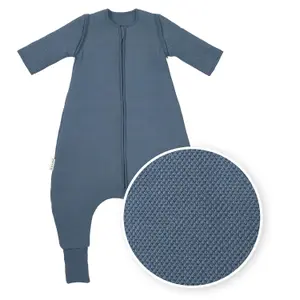
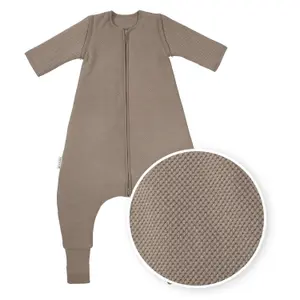
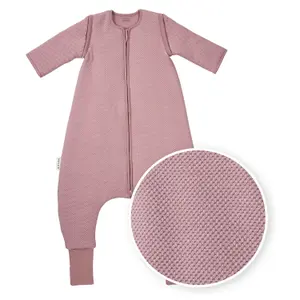


Starting at £78.38
£68.19


Starting at £65.87
£58.65

Starting at £65.87
£58.65

Starting at £65.87
£58.65
Baby sleeping bags from the French Days replace blankets and duvets for safer nights: an adjustable sleeping bag from Trois Kilos Sept that grows with your baby for several months, a merino wool model from Baby's Only to regulate warmth, and a Baby Bites sleeping bag. Choose the warmth rating, size and fastening to suit the room and your child's age.
Warm nights, with nothing covering their face.
Why a sleep bag replaces a blanket
Recommendations for preventing sudden unexpected infant death are clear: babies should sleep on their backs, in their own cot, on a firm mattress, without a pillow, duvet, blanket or cot bumper. A sleep bag, like a sleeping bag with armholes, keeps your child warm without any fabric covering their face.
It also stops them from kicking off the covers as they move around, and makes it harder for them to climb the cot bars once they start standing up. In Europe, the EN 16781 standard, published in 2018, sets safety requirements for sleep bags used in cots, particularly for children under around two years old.
Other baby clothes for day and night
Under their sleep bag, babies wear a bodysuit: the Bodysuits page has short- and long-sleeved styles to suit the room temperature. For daytime, trousers and dungarees and T-shirts and sweatshirts make up outfits for nursery and walks.
TOG rating: choose a sleep bag to suit the room temperature
The TOG rating measures how well a fabric retains heat: the higher it is, the warmer the sleep bag. Ratings vary between brands, but for a room between eighteen and twenty degrees, the temperature generally recommended, most brands offer a rating of two to three. Styles around one are suitable for warm summer rooms.
Then adjust what your baby wears underneath: a long-sleeved bodysuit and pyjamas in a cool room, or just a bodysuit in hot weather. Merino wool, as used by Baby's Only, has the advantage of regulating temperature: it keeps your baby warm when it's cool and wicks away moisture when they sweat.
Size, fastening and grow-with-me styles
Choose a sleep bag in the right size: if it's too big, it can let your baby slip inside, so the neckline may ride up over their face. The neckline and armholes should fit snugly without being tight, and the length should let their legs move freely. The most common size ranges are zero to six months, six to eighteen months and eighteen to thirty-six months.
Grow-with-me styles, such as the sleep bag from Trois Kilos Sept, are designed to last longer, often with poppers to adjust the length or shoulders. A side or front zip, with a protective flap at the top, makes night-time changes easier without fully waking your child.
Sleep bags: when to buy the next size
Warm sleep bags are useful during Black Friday and the festive season, when the nights get colder; the winter sales are a good time to plan ahead for the next size. In spring, the French Days are a good time to shop for lighter TOG ratings, with the summer sales running through to the start of the school year. Between major sales, check out the special offers and new arrivals.
Frequently asked questions
Sleep bag or baby sleeping bag: what's the difference?
None: both words describe the same sleeping bag with armholes for babies. Usage varies between regions and manufacturers. What really matters is the warmth rating, the right size for your child and the quality of the fastening.
How old should a child be before they stop using a sleep bag?
Many children use one until they're two or three, or even older, as long as they sleep in a cot. When they move to a bed, a footed sleep bag that lets them walk, or a light duvet, can take its place, depending on the child.
Can you use a sleep bag in a car seat?
No, a standard sleep bag makes it difficult to fasten the harness properly between the legs. For the car, there are specific styles with an opening for the strap, or you can place a blanket over the harness once your child is securely fastened in.
How many sleep bags should you have?
Two of each size is a minimum, so you always have a clean one if there's a nappy leak or your baby brings up milk during the night. If the room temperature varies a lot between winter and summer, get one with a warm rating and one with a light rating.
Are sleep bags on sale during the French Days?
Sleep bags from participating brands are discounted as part of the event, subject to available sizes and TOG ratings. Take the opportunity to plan for the next size, checking the height given by the manufacturer rather than relying on age alone.











