
Boys’ wellies, boots and ankle boots for French Days
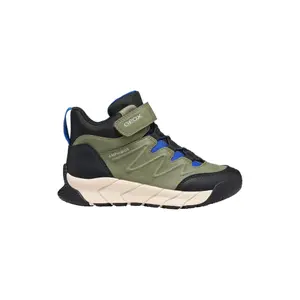
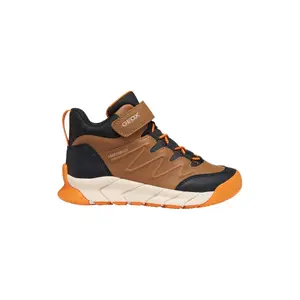
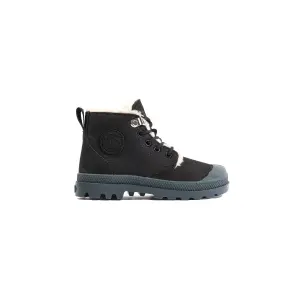


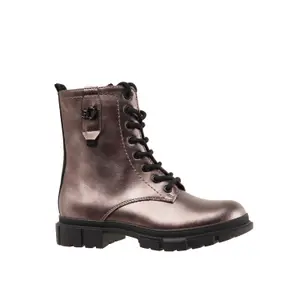
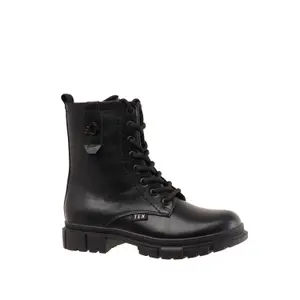
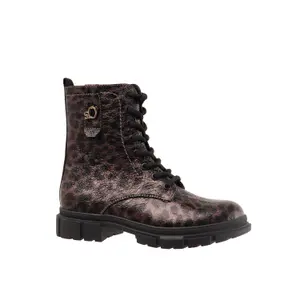

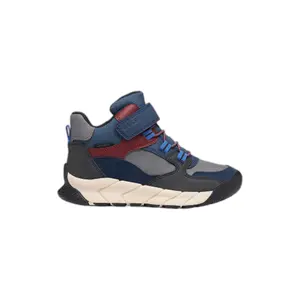
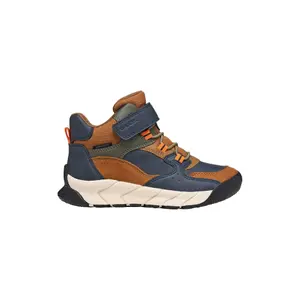


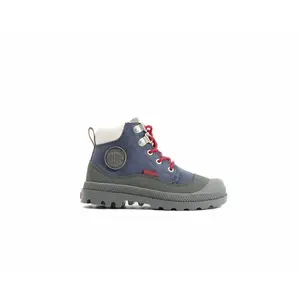

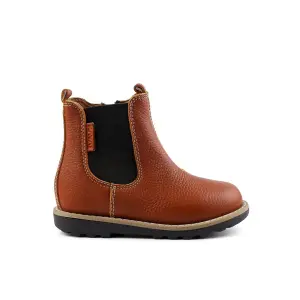


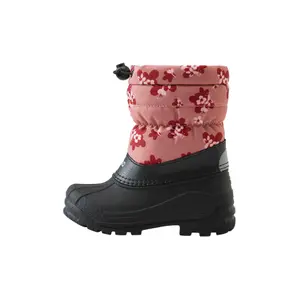

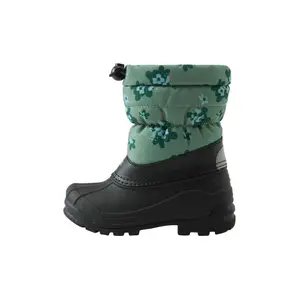


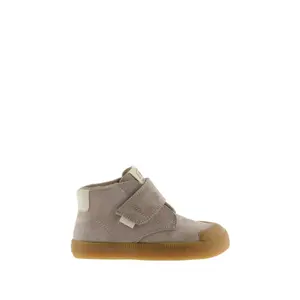
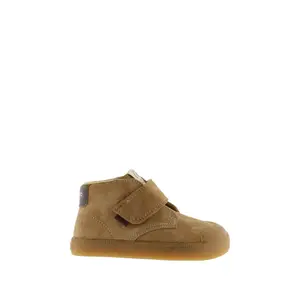
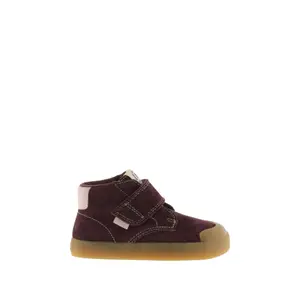
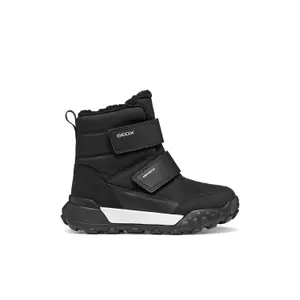
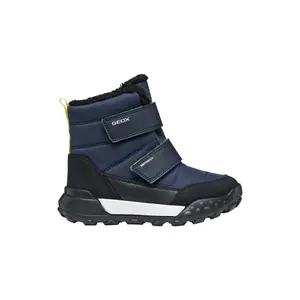
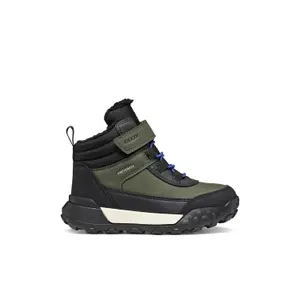


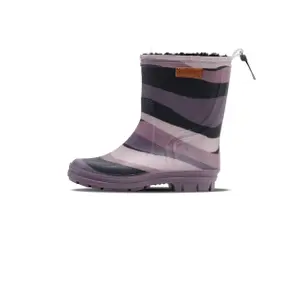
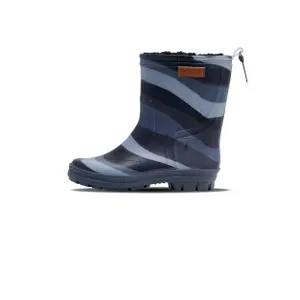

The September edition of the French Days comes just before the first autumn rain: the perfect time to get your son ready for the mud. This selection of boys' boots and ankle boots brings together Palladium Pampa ankle boots, Blundstone Chelsea boots, Grubs and Mikk-Line neoprene boots, Reima winter boots, and leather ankle boots from Aster and Camper.
Keep his feet dry, from puddles to snow.
Rubber or neoprene: which wellies should you choose?
Classic wellies are made of rubber: waterproof and easy to rinse off, they are suitable for puddles in the garden and trips to the park, but don’t keep much heat in. Neoprene styles, made from the same material as wetsuits, keep the cold out much better. Grubs, an English brand from Bolton founded in 2000, specialises in these, with flexible wellies that mould to the calf. Mikk-Line, a Danish children’s outdoor clothing brand, offers short Wellies with a thin, so-called barefoot sole that gives the foot more freedom to move. Rouchette, a family business based near Cholet since 1990, specialises in waterproof boots.
Other boys’ shoes during French Days
On dry days, boys’ trainers are back in action for school and sport. When the warmer weather returns, sandals and flip-flops replace the wellies, while other shoes include mules, boat shoes and espadrilles for the holidays.
Winter boots: warmth comes from the lining
For snow and frosty mornings, winter boots combine waterproofing with an insulating lining and a thick sole that protects against the icy ground. Reima, a Finnish brand founded in 1944, designs its styles for Nordic winters: its Reimatec range combines a waterproof, breathable membrane with sealed seams and hook-and-loop fastenings that are easy to use with gloves on. Choose winter boots with a little more room than trainers, so you can wear thick socks without squeezing your feet: cramped feet get cold faster because blood circulates less well. Remove the insoles every evening to let them dry.
Chelsea boots and leather boots for school
Ankle boots stop at the ankle and can be worn all day in class, where wellies quickly become too warm. Blundstone’s Chelsea boots, from a company founded in Hobart, Tasmania, in 1870, are easy to pull on thanks to their elasticated sides and pull tabs, with no laces or hook-and-loop fastenings. Palladium’s Pampa, designed in 1947 for the French Foreign Legion, comes in waterproof versions marked WP. Aster, a French children’s footwear brand since 1913, and Camper, a company from Majorca, work with leather, which should be cared for with a suitable cream and a waterproofing spray. Geox’s Flexyper, with double hook-and-loop fastenings, and Shoo Pom’s velvet Chelsea boots complete the range.
Boots throughout the year
Boots are often bought just before the bad weather sets in. Black Friday comes at just the right time for winter boots and holiday snow, while the festive season is a good time to give a pair of boots as a present. The winter sales are a chance to replace a pair that has become too small, the spring French Days and summer sales help clear out wellies, and back-to-school shopping gets ready for autumn. Clearance brings together end-of-line styles all year round.
Frequently asked questions
How do you dry wet boots indoors?
Remove the insole, stuff the boot with newspaper and replace it after a few hours, then leave the boot at room temperature. A radiator can harden rubber and leather, and may cause the sole to come unstuck.
Can wellies be worn all day at school?
It’s best to avoid this: rubber doesn’t breathe, so feet sweat within a few hours. Put a pair of slippers or trainers in the bag, and save the wellies for the journey and playtime.
What does a barefoot sole on a child’s boot mean?
It’s a thin, flexible sole with no raised heel, which lets the foot feel the ground and bend freely. It suits children who are used to walking barefoot, but may not suit those who prefer cushioning.
Do you need special socks for wellies?
High wool or fleece socks that come up over the top of the boot stop the rubber rubbing against the calf and help keep feet warm. Cotton holds on to moisture, so feet get cold quickly when it’s chilly.
How do you prevent white salt marks on leather boots?
Wipe the boots with clean water as soon as you get home, leave them to dry, then condition the leather. Applying a layer of waterproofing spray before winter helps limit the amount of salt spread on pavements that the leather absorbs.











