
Trainers for boys during the French Days


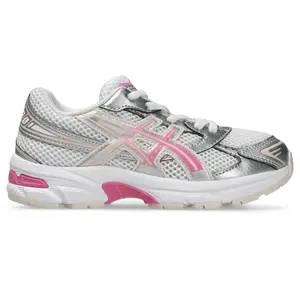

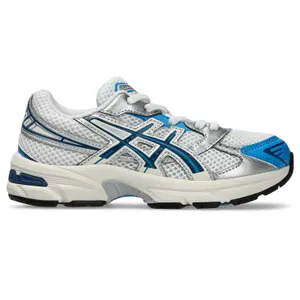


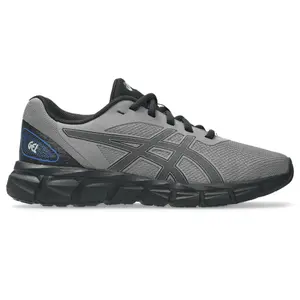


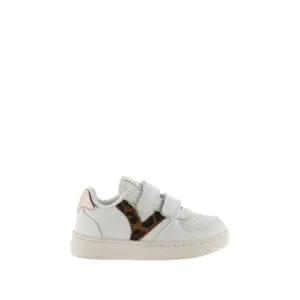


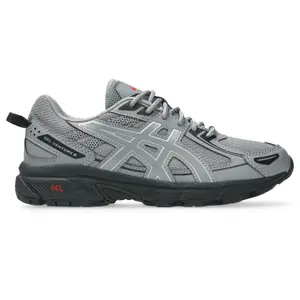
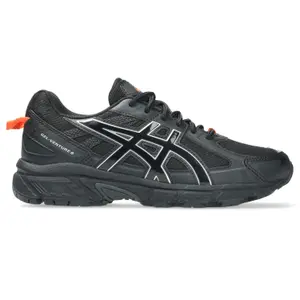


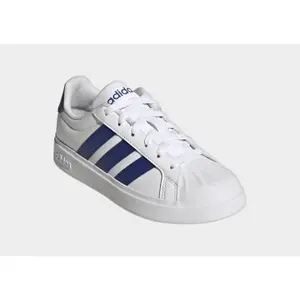
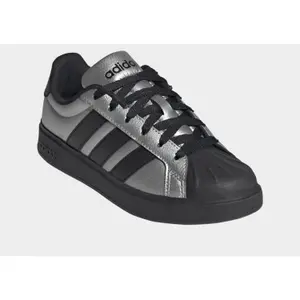

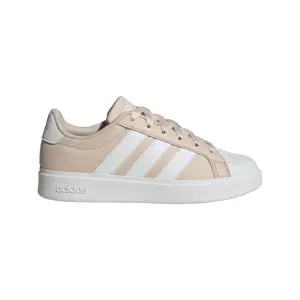

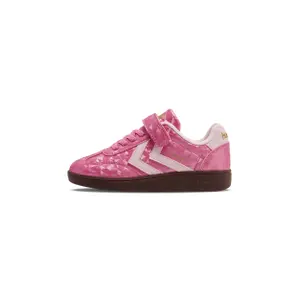
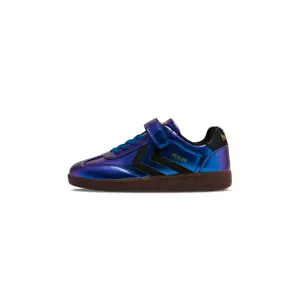


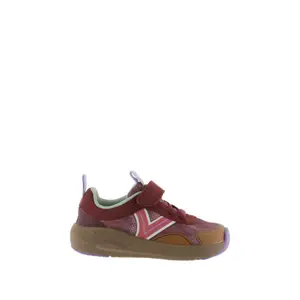
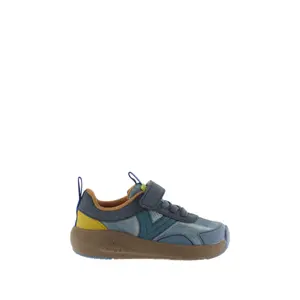
The spring French Days come around when his winter trainers are getting too tight, and the September ones just as it’s time to buy a new pair for the start of term. Our selection of boys’ trainers brings together Asics Gel styles, retro Gola trainers with hook-and-loop straps, chunky-soled Skechers, canvas styles from Victoria and Superga, and lightweight Puma trainers.
From nursery to secondary school, at his own pace.
Which trainers for a two-, three- or four-year-old boy?
Before the age of four, trainers should first and foremost let the foot move naturally. Choose a flexible sole that bends easily at the front, a lightweight upper and a rounded toe that gives the toes room to spread out. Velcro is a must at this age: your son can put his shoes on by himself for break time, and nursery teachers don’t have to retie the laces for the whole class. A reinforced toe protects against wear, as little ones brake with the toe when riding a scooter or bike. Avoid soles that are too thick and stiff, as they make walking heavier and affect the balance of a foot that is still developing.
Other boys’ shoes in the French Days
When the rain sets in, boys’ boots and ankle boots take over, with waterproof uppers and grippy soles. When the warmer weather arrives, sandals and flip-flops let the feet breathe. Finally, other shoes include mules, boat shoes and water shoes for the holidays.
Asics, Gola, Victoria: what each brand offers
Each brand in the range has its own speciality. Asics uses the Gel cushioning elle developed for running in its children’s styles, and separates its PS sizes, for Pre-School, from GS sizes, for Grade School, aimed at older schoolchildren. Gola, an English brand from Leicester, offers retro Velcro styles, while Skechers, founded in California in 1992, focuses on thick, comfortable soles. The canvas tennis shoes from Victoria, founded in Spain in 1915, and Superga, established in Turin in 1911, are ideal for fine weather. Hummel’s chevrons and les deux back-to-back silhouettes from Kappa round out the sports range.
Wide or narrow feet: finding the right fit for your son
A wide foot can quickly feel cramped in a narrow trainer. Choose an adjustable fastening: double Velcro or laces let you open the upper wide and tighten it just enough. Canvas, which loosens a little with wear, is more forgiving than stiff synthetic leather, and running styles with a wide toe box give the toes room to spread out. By contrast, a narrow foot flotte in an overly bulky shoe: tightly fastened laces and a thick insole help prevent slipping. In tous cases, try the shoes on with the socks worn every day, never barefoot.
A pair of trainers for every occasion
Children’s trainers often need replacing more than once a year. Black Friday and the festive season are a chance to give your son the style he has his eye on, while the winter sales come at just the right point for replacing a pair that has become too small halfway through the year. The spring French Days bring out lightweight canvas styles, while the summer sales and back-to-school season are the time to get school trainers. Special offers bring together end-of-line styles from big brands all year round.
Frequently asked questions
How do you wash children’s trainers?
Remove the laces and insoles, brush off any dry dirt, then clean with warm soapy water and a soft brush. Some canvas styles can go in the washing machine on a cold cycle in a laundry bag, but leather shoes should never go in the machine or tumble dryer.
What age is a size 28?
As a general guide, size 28 usually fits children aged around four or five, but some children reach it earlier or later. Go by the measured length of the foot, not the age shown in a size chart.
At what age should children switch from Velcro to laces?
Children usually learn to tie their laces between the ages of five and seven, sometimes a little later. Until your son can tie them himself, Velcro is safer than a loose lace dragging along the playground.
Does a high-top trainer support the ankle better?
Elle covers more of the ankle and protects it from knocks, but it does not replace a good heel counter. For running and jumping, a well-fitting low-top trainer is enough for most children.
Why do children’s trainers sometimes smell bad?
Sweat encourages bacteria to grow in the insole. Alternate between two pairs so they can dry for twenty-four hours, take the insole out each evening and choose cotton socks rather than synthetic fibres.











